
2024 Highlights
Here is a sample of some Illinois-Indiana Sea Grant program highlights that reflect our work in research, outreach, and education. Through these efforts we address critical southern Lake Michigan region concerns by empowering decision-makers and residents alike with the latest scientific information.
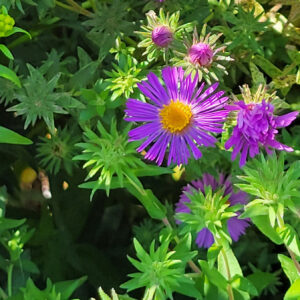
Rain gardens capture stormwater runoff
Water supply forecasts inform community planning
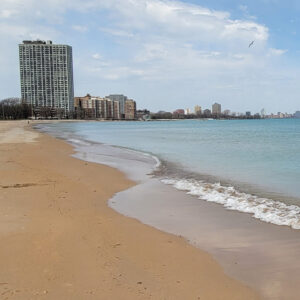
Chicago beach sand data provides management insights
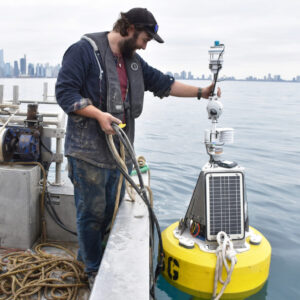
Lake Michigan buoys inform weather and fishing forecasts

Stewardship training informs and inspires volunteers
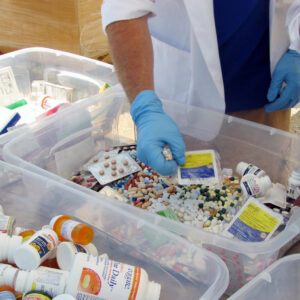
Collection programs dispose of unwanted medicines
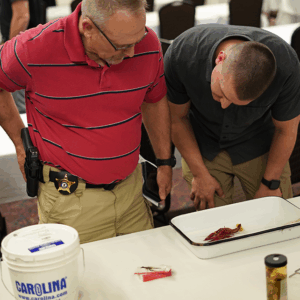
Illinois conservation officers learn to ID AIS
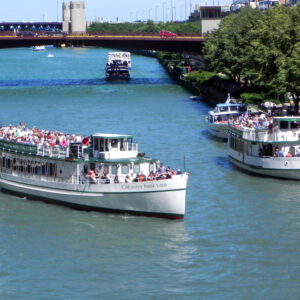
Tracking provides insights into Chicago River fish
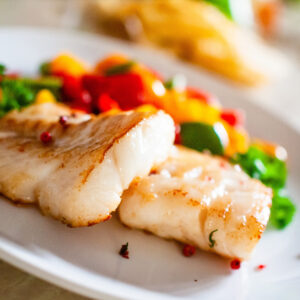
Eat Midwest Fish is a popular aquaculture resource
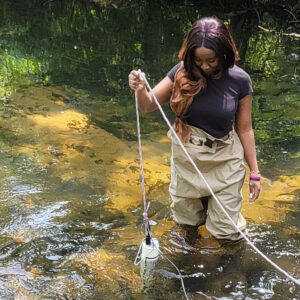
Students experiment with real-world monitoring equipment
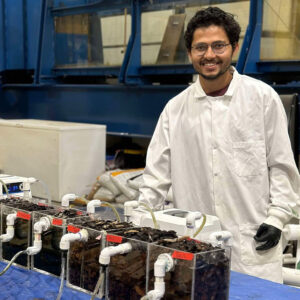
The scholars program enhances graduate student research
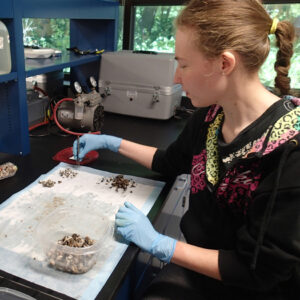
Summer interns gain real-world experience
Recent News
- Sea Grant Chats: Looking back on our AIS legacy as we move forward
- National Sea Grant welcomes 2026 Knauss Marine Policy Fellowship finalists
- IISG’s new year starts with a new research and reporting coordinator
- Ripple Effects curriculum engages students on the spread of aquatic invasive species
- Coastal communities can tap into IISG resources as they manage beach sand and structures
IISG Instagram
Coastal protection is not limited to concrete, rocks, and steel. Coastal protection solutions exist on a spectrum, ranging from softer “green” solutions to harder “gray” structures.
Nature-based coastal solutions fall between green and gray techniques, providing multiple benefits to people and habitats.
Our three-part video series, Nature-Based Coastal Solutions in the Great Lakes, is now available to watch. Learn how nature-based coastal solutions, including nature-driven and hybrid approaches, can protect shorelines while supporting ecosystems and communities.
Watch the 3-part video series at the link in bio.
(Photo credit: Liz Spitzer, Illinois State Geological Survey, Coastal Research Group)
🚨Attention Educators🚨Saturday, February 28th at 11:59 pm CT is the deadline to apply for the Shipboard Science Immersion on Lake Superior.
Learn more and apply today at the link in bio.
This program is made possible by Illinois-Indiana Sea Grant and CGLL with funding and support from EPA, NOAA, and the Great Lakes Restoration Initiative.
Managers and researchers can be faced with a need to classify the risk of new crayfish invaders. Rapid assessment tools, such as the Science-based Tools for Assessing Invasion Risk (STAIR), can assist in this process by providing a streamlined framework for analysis and decision-making.
Join us for an ICC webinar with John Bieber from Loyola University Chicago to learn how rapid assessment tools are used to classify invasive species risk and how STAIR can support invasive crayfish management.
Learn more at the link in bio.
Join us for a hands-on @projectwet Make-and-Take Workshop in Chicago!
📅 When: March 12, 2026 from 9:00 AM – 3:30 PM CT
📍 Where: 200 S Wacker Dr., Chicago, IL
💲 Cost: $25 (includes classroom-ready activity kits, lunch & refreshments)
🗓️ Registration closes February 26.
✅ Open to 3rd–8th grade formal & informal educators
✅ Earn 6 PD hours
✅ Leave with ready-to-use water education kits aligned to Common Core & NGSS
👉 Don’t miss out—space is limited!
Learn more and register at the link in bio.
