IISG Environmental Social Scientist Caitie McCoy has been spending a lot of time working with communities, government, Sea Grant programs, and affiliated local and regional organizations to help clean up Great Lakes Areas of Concern (AOCs). Recently she had the opportunity to spend some time visiting with students at two schools in northwest Indiana– sharing several interesting water facts with them, as well as getting them to participate hands-on in gathering data and learning about local water issues. Caitie shared some of her experiences and described the help that she’s had along the way.
“Nishaat Yunus, ORISE Fellow for the Great Lakes National Program Office, and I have been working quite vigorously over the last month with the help of others to create educational programming for students in the Grand Calumet AOC. We’re working with Robin Goettel and Terri Hallesy to package the programming so it will be ready to apply at other Great Lakes Legacy Act (GLLA) sites, hopefully to work in conjunction with Sea Grants in other states.
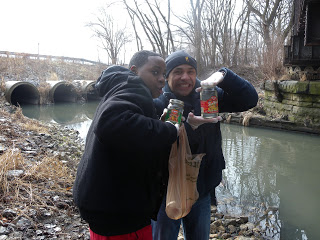
We visited two schools this week. On Wednesday we went to Hammond Academy of Science and Technology, where we had the chance to talk to and work with about 80 9th grade students from Amanda Miracle’s science classes. We went on a field trip to the Grand Calumet River and took water samples from stretches of the river that have been remediated under GLLA. Anne Remek from Indiana Department of Environmental Management helped lead the field trip. The purpose of the sampling was to monitor water quality; the results will be shared with our EPA and GLLA project partners (IDNR, IDEM, & USFWS). During the 2nd half of the day, students used a water testing kit with 12 analytes (copper, dissolved oxygen, nitrates, etc) to see what the water quality readings were and understand what they meant. We plan to take another field trip to the Grand Calumet River at some point to check out the restoration project and its progress. We will visit the classes at least twice more to do lessons on data analysis, data reporting, and using data to make project-level decisions.

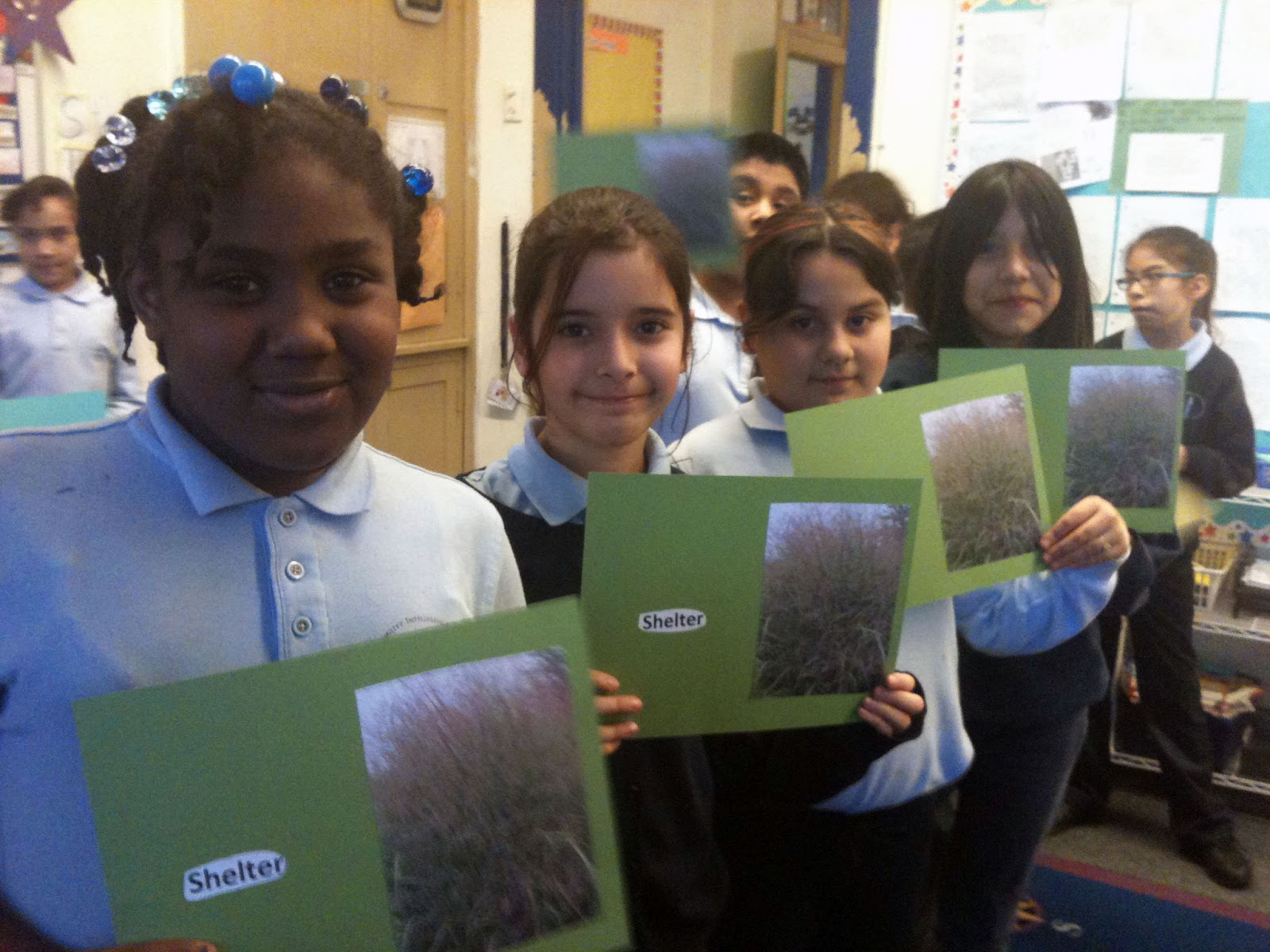
Thursday we headed to East Chicago Lighthouse Charter School, where we got to speak to and teach about 50 4th grade students from Andrea Bock’s science classes. The students are currently growing native plants provided by EPA in their classroom, and they’ve started sprouting! Nishaat and I will be visiting again and taking a field trip to Roxana Marsh when the plants are more fully grown, and students will get to plant the natives that they have been growing on the site. We also had a chance to give an interactive presentation and activity on habitats, and we will visit the classes at least twice more to talk about the cleanup at Roxana Marsh and how to design a habitat.”