 Sea Grant Illinois-Indiana
About External Advisory Committee
External Advisory Committee
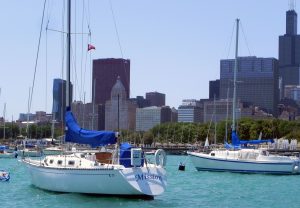 Illinois-Indiana Sea Grant’s external advisory committee is comprised of industry, conservation, community, and agency leaders representing the bi-state area and broader Great Lakes region. The committee aids in defining IISG’s strategic goals, including providing guidance throughout the strategic planning process. It helps IISG assume a vital role in the science and practice of coastal restoration and management in our region.
- Megan Dodson, Meteorologist & Local Marine Program Manager, National Weather Service Indiana Weather Forecast Office
- Margaret Frisbie – Executive Director, Friends of the Chicago River.
- Meg Kelly – Program Director, Illinois Coastal Management Program Office
- Chuck Knapp – Vice President, Conservation Research, Shedd Aquarium
- Jenny Orsburn – Program Manager, Indiana Lake Michigan Coastal Program
- Vic Santucci – Lake Michigan Program Manager, Illinois Department of Natural Resources
- Mike Searcy – Treasurer, Indiana Aquaculture Association; Owner, White Creek Farms of Indiana LLC
- Jason Taylor – Superintendent, Indiana Dunes National Park
Recent News
- Illinois-Indiana Sea Grant announces 2026 Graduate Student Scholars
- IISG and Purdue FNR Remember Carolyn Foley, Names Great Lakes Research Award
- 2026 IISG interns explore the field of environmental science
- Educators become students at Great Lakes Project WET workshop
- Registration now open for the 2026 State of Lake Michigan Meeting
IISG Instagram
What does a career in natural resources look like?
This month, a group of 4-H youth joined us at Martell Forest to find out! From tree climbing and birding to creating scent traps and dissecting owl pellets, participants spent three days exploring the many ways people work with and protect our natural resources.
Thanks to everyone who joined us! We can’t wait to see where your adventures take you next!


What does it mean to be Great Lakes literate?
It’s understanding how the Great Lakes shape your life and how your choices impact the lakes.
To be Great Lakes literate is to understand, communicate, and care for these special freshwater resources. 💙
Learn more about Great Lakes Literacy by visiting the Center for Great Lakes Literacy’s website at the link in bio.
#TeachingTuesday

Happy Juneteenth from all of us at Illinois-Indiana Sea Grant!

Got a research idea for southern Lake Michigan?
IISG’s 2026 Seed Grant Research Competition is open. Up to $150,000 total funding for pilot studies that could become your next big project.
💵 $10,000 to $50,000 per project
⏰ Applications due August 17, 2026
Two info webinars coming up: July 2 and July 21.
🔗 Full details at the link in bio.
