May 31st, 2013 by Irene Miles
 This month Illinois joined a number of other Great Lakes states by instituting a Clean Marina program. Designed to reduce and prevent pollution, the program provides best management practices for marina operators to help protect waterways and the environment. Illinois-Indiana Sea Grant created the Clean Marina guidebook (PDF) in collaboration with Illinois DNR to offer a comprehensive manual for marina operators with important environmental protection and best practice information.
From our latest edition of The Helm:
“Nearly a quarter of Illinois’ 70 marinas sit along Lake Michigan, making the Illinois shoreline the most active in the Great Lakes region. Millions of people in the Chicago area rely on that same stretch of Lake Michigan for drinking water. Here, even small levels of pollution from marinas can have a significant impact on the lake and the communities that rely on it.
At the heart of the Clean Marina Program are best management practices that make marina operations and boater activities more efficient and environmentally friendly. Practices cover a range of topics, from marina construction to vessel maintenance, and most are easy and affordable. Some recommendations, such as how to protect nearby habitats during construction, will help new or expanding marinas develop greener sites from the beginning. And others will help marina personnel educate boaters on what they can do to protect and improve the state’s water quality. Marinas that adopt the practices will be certified as a clean marina by the Illinois Department of Natural Resources (IDNR) Coastal Management Program.”
Read the complete article at the link above, and learn more about the Clean Marina Program at the program website and on Facebook.
May 30th, 2013 by Irene Miles
 IISG staffers will join hundreds of scientists, environmentalists, and government representatives June 2-6 at the Conference on Great Lakes Research. Spread across each day of the conference, their presentations will cover vital work on Sea Grant education initiatives, new tools that help officials protect aquatic ecosystems in the Great Lakes region, and more.
Robin Goettel and Terri Hallesy will kick things off Tuesday morning with a close look at education strategies that improve Great Lakes literacy. Later in the session, Caitie McCoy will discuss a program piloted last year at two schools near the Grand Calumet River. The program was designed to teach students living in Areas of Concern about the science behind restoration projects. Attendees will also hear from Terri and others about Undo the Chemical Brew, a project that has collected 2.7 million unwanted pharmaceutical pills for safe disposal since 2010.
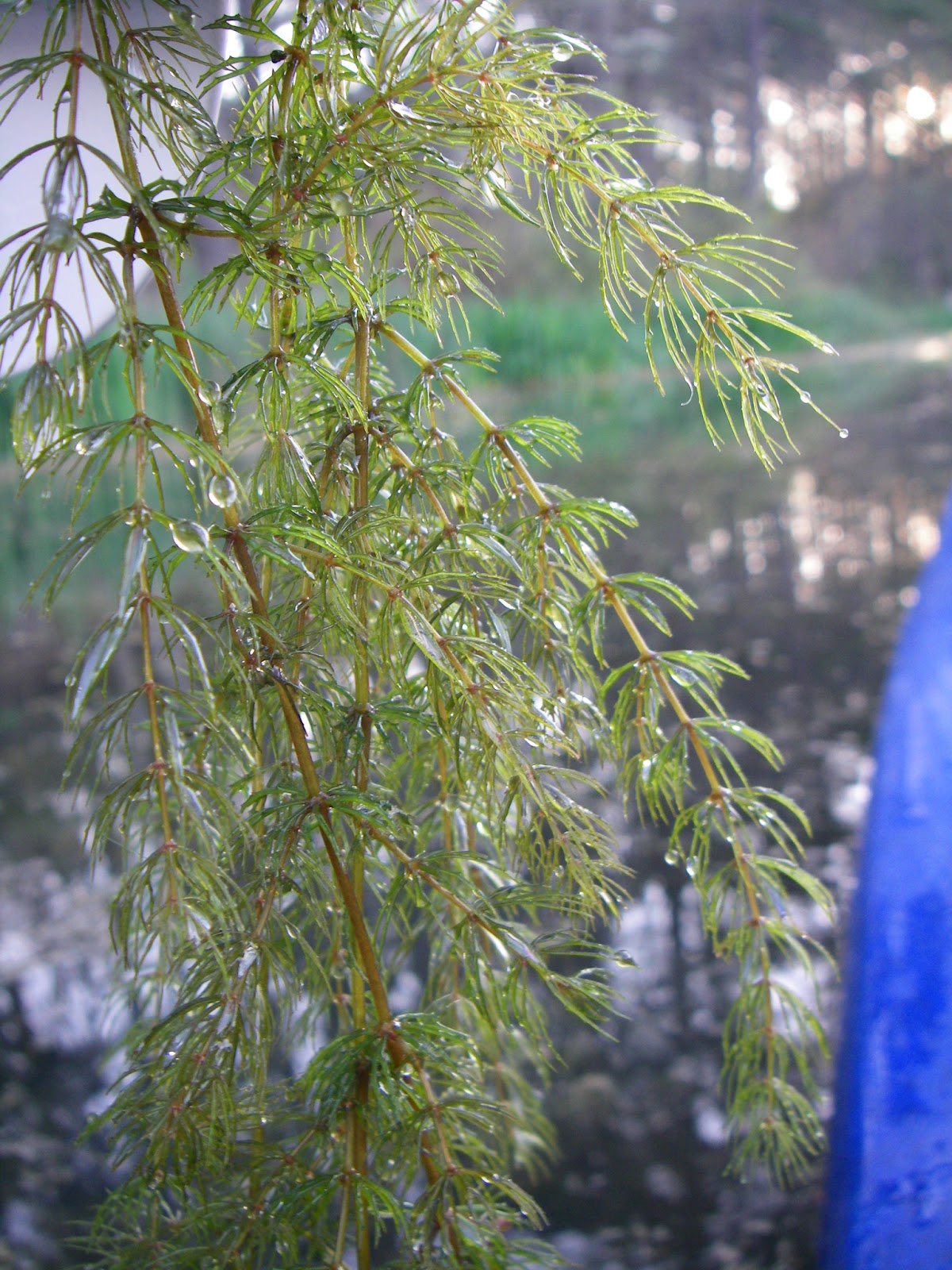
On Wednesday, members of the AIS outreach team will talk about resources they’ve developed to help water gardeners avoid invasive plants that are likely to spread in the Great Lakes. The resources are part of a larger effort to develop and implement risk assessment tools that can be used by resource managers and policy-makers to determine which commercially-sold aquatic species pose the greatest threat to the region.
IISG members will also be a part of several presentations on Wednesday and Thursday about environmental indicators communities can use to make sustainable land-use decisions. During the session, Brian Miller, Kristin TePas, and Marty Jaffe will introduce two web-based tools that help officials understand land use impacts on local aquatic environments and take steps towards securing the long-term health of the region’s natural resources.
The International Association for Great Lakes Research’s (IAGLR) 56th Annual Conference on Great Lakes Research is sponsored by IISG and Purdue University. To view the entire program, visit the conference website.
May 29th, 2013 by Irene Miles
Revitalizing Local Waterfront Economies: The Great Lakes Legacy Act is a new video that welcomes people and partners to the benefits of restoring degraded rivers, harbors, and lakes.
Before modern-day environmental regulations, Great Lakes waterways became blighted by decades of industrial discharges. The Legacy Act was established in 2002 to clean up contamination in these places, known as Areas of Concern. The Legacy Act is helping to revitalize local waterfront economies through strong partnerships with states, municipalities, and businesses.
Altogether, the Legacy program has removed or capped 2.4 million cubic yards of sediment. But more waterways need to be cleaned up, and community involvement is essential. “This video can help simplify and personalize the sediment cleanup process, which at first glance may seem too complex and scientific,” said Caitie McCoy, IISG environmental social scientist. “The Great Lakes Legacy Act has been incorporating community values with technical science for more than a decade.
“Cleaner lakes and rivers improve human health, fish and wildlife health, recreation, tourism, and redevelopment so that residents can better capitalize on these opportunities,” added McCoy.
The 10-minute video was produced by IISG and Wisconsin Sea Grant with funding from U.S. EPA Great Lakes Restoration Initiative. You can view the video online here or at the Illinois-Indiana Sea Grant YouTube channel.
May 28th, 2013 by Irene Miles
Dozens of Michigan teachers were some of the attendees at the 2013 Great Lakes Conference at Michigan State University back in March, and one of the most important topics of discussion was the current and future need for improving Great Lakes literacy.
From the MSU office of extension:
“At the luncheon, educators learned about upcoming professional development opportunities relating to the Great Lakes, and shared their best practices in Great Lakes education, as well as their priority needs relating to advancing Great Lakes literacy in the classroom.
So with the goal of advancing Great Lakes literacy in mind, what were some of their best practices and needs that emerged from the teacher discussion? The best practices clustered around five themes: 1) curriculum, 2) place-based education, 3) data in the classroom, 4) hands-on learning, and 5) cross-curriculum lessons…”
Follow the link above to read the complete article, including links to further information for educators.
May 22nd, 2013 by Irene Miles
Dozens of researchers and government representatives will come together next month to present the latest research on Lake Michigan’s ever-changing food web during the Conference on Great Lakes Research. The session, held June 3-4, will be chaired by IISG’s Tomas Hook, along with David Bunnell from the U.S. Geological Survey and Hank Vanderploeg from NOAA.
Presentations will discuss a range of issues that help determine just what eats what in the lake. Several will focus on what happens to the diet of native species when invaders like quagga mussels, round goby, spiny water flea deplete food resources. Others will introduce how shifts in phosphorus and other nutrient levels may be behind recent changes at the bottom of the food web and compare the eating habits of forage fish over the last two decades.
The session is a part of ongoing regional efforts to improve understanding of the complicated relationships between the many different microbes, plants, and animals that call Lake Michigan home. Since 2010, IISG and other partners in the Great Lakes Regional Research Information Network have funded several studies on the links that form the food web.
“While researchers have been studying the Lake Michigan food-web for several decades, many of the interactions remain poorly described,” said Tomas. “And we are learning that there are very important regional differences in food web structures across Lake Michigan.”
In addition to serving as co-chair, Tomas will join researchers from across the Great Lakes to present the findings of three studies slated for the session. For a description of these and other presentations, visit the session schedule and click on the presentation titles.
The International Association for Great Lakes Research’s (IAGLR) 56th Annual Conference on Great Lakes Research is sponsored by IISG and Purdue University. To view the entire program, visit the conference website.
May 16th, 2013 by Irene Miles
Phosphorous is a nutrient that has been linked to significant runoff problems and excessive algal growth in water bodies including the Great Lakes. Recently, Scotts Miracle-Gro announced that they will be removing phosphorous from their line of lawn fertilizers to address the issue and help reduce nutrient pollution problems.
From The Columbus Dispatch:
“The Marysville maker of lawn-and-garden products sees the move as a milestone for its industry, which it says is partly responsible for the phosphorus runoff that feeds one of the nation’s most costly and challenging environmental problems — nutrient pollution.
‘As consumers feed their lawns this spring, they should know they can get great results from our products while also protecting and preserving our water resources,’ said Jim Lyski, Scotts’ chief marketing officer, in a written statement.
Harmful algae blooms in coastal areas of the United States are estimated to have a yearly negative economic cost of at least $82 million, mostly because of their effects on public health and commercial fisheries, according to a 2006 report by the National Centers for Coastal Ocean Science.’
Follow the link above to read the complete article, and visit our Lawn to Lake websitet to learn more about runoff issues and natural lawn care solutions.
May 15th, 2013 by Irene Miles
IISG’s Laura Kammin will co-chair a two-part session on the impacts and management of contaminants at this year’s Conference on Great Lakes Research, June 2-6 at Purdue University. Researchers will present on a range of issues, including contaminant testing, impacts to wildlife, and pollution trends over time. With 24 presentations spread over two days from researchers, resource managers, and industry representatives, it will be the conference’s largest session.
Presentations begin on June 5 with new research on pollutants that are a longstanding problem in the Great Lakes region, including PCBs, mercury, and chemicals used in driveway sealants. Research on these legacy contaminants will focus on their concentrations, dispersal, and environmental impacts in the years after federal regulations barred their use.
Day two of the session is dedicated to emerging contaminants, which have more recently been detected in the Great Lakes. Among the presentations is a study that found flame retardant in the eggs of herring gulls exposed to the pollutant. Other presentations will introduce techniques for identifying new contaminants, the impacts of pharmaceutical hormones on fish, and changes in bacterial communities caused by a common nanomaterial.
“The sheer number of contaminants and breadth of potential impacts makes sessions like these very important,” said Kammin, IISG pollution prevention program specialist. “To truly improve the health of the lakes, we must have a better understanding of these legacy and emerging contaminants.”
 Additional session co-chairs include Marta Venier, Maria Sepulveda, and Bernard Crimmins.
Prior to the session, 15 researchers and students will also present findings related to legacy and emerging contaminants during the conference poster session on June 4.
The International Association for Great Lakes Research’s (IAGLR) 56th Annual Conference on Great Lakes Research is sponsored by IISG and Purdue University. The four-day program includes research sessions, panel discussions, keynote speakers, and workshops on a variety of topics. To view the entire program, visit the conference website.
May 14th, 2013 by Irene Miles
The SeaPerch Program, sponsored by the Office of Naval Research, brings robotics and underwater science together to enhance classroom activities and curricula for a variety of grade levels. Illinois-Indiana Sea Grant recently sponsored a contest to give away several of the kits to teachers of grades 6-12.
From The Great Lakes Echo:
“The Illinois-Indiana Sea Grant offers grade 6-12 teachers a chance to win a free kit to build a remotely operated underwater vehicle. The SeaPerch kit normally costs $194.
SeaPerch, a program started about five years ago by Massachusetts Institute of Technology professors, provides remotely operated underwater vehicles and lesson plans to teachers to improve the curriculum in science, mathematics and engineering in primary education across the country.”
Follow the link above to read the complete story, and visit the SeaPerch homepage for more information about the program, including photos, video, curricula, and more.
May 10th, 2013 by Irene Miles
Illinois-Indiana Sea Grant’s Aquatic Invasive Species (AIS) outreach team was recognized along with many other collaborators in a NOAA Spotlight article for their work on the Great Lakes Risk Assessment Tools. This tool estimates the potential invasiveness of species being sold for use in trade and hobbies such as aquaculture, live bait, and water gardens etc. It provides insights for resources managers that may guide future policies with the goal of preventing the spread of invasive species. This is also a tool that hobbyists and people working in the trades can use proactively use to help choose less threatening species. IISG “will be talking with retailers, hobbyists, and water gardeners – going to shows and posting information in stores – about how they can use the risks assessments as a guide to get ahead of regulations and make responsible decisions now,” said Pat Charlebois, IISG AIS Coordinator.

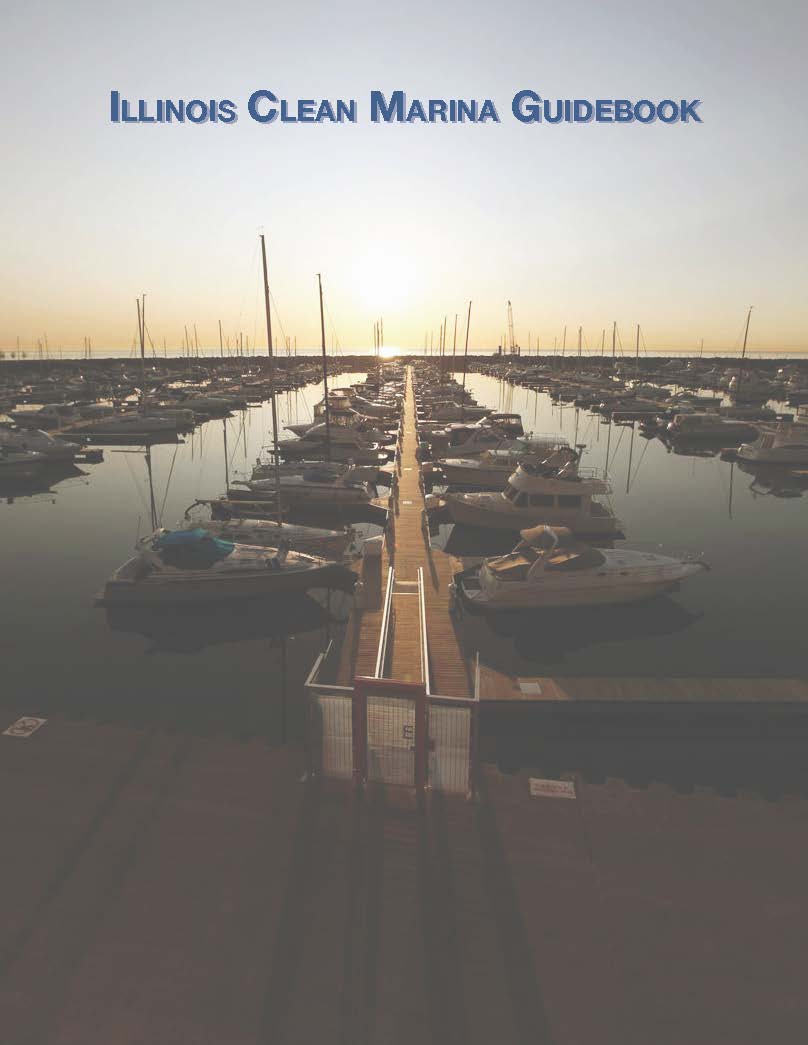 This month Illinois joined a number of other Great Lakes states by instituting a Clean Marina program. Designed to reduce and prevent pollution, the program provides best management practices for marina operators to help protect waterways and the environment. Illinois-Indiana Sea Grant created the Clean Marina guidebook (PDF) in collaboration with Illinois DNR to offer a comprehensive manual for marina operators with important environmental protection and best practice information.