May 6th, 2013 by Irene Miles
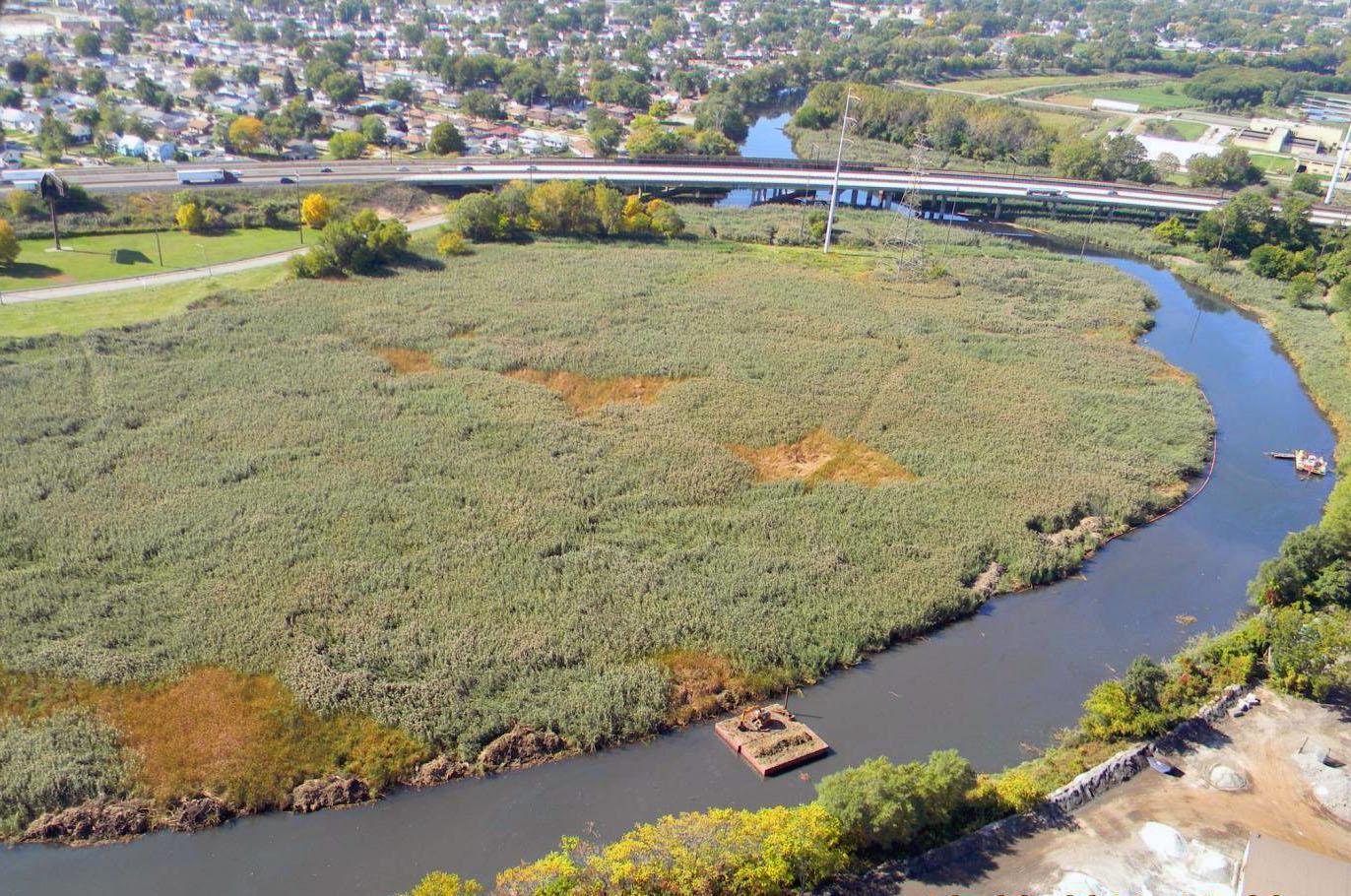
Dredging and restoration work on another section of the Grand Calumet river is set to begin this spring, removing more than one million cubic yards of contaminated sediment from the river bottom and rebuilding local wetlands.
Caitie McCoy, IISG’s environmental social scientist, provides some more information about the upcoming work:
“Work will start April 22 on a project that will dredge (remove) or cap (isolate from the ecosystem) 1.2 million cubic yards of river bottom sediment contaminated with PAHs, oil & grease, PCBs, and heavy metals like cadmium and copper. Volume-wise, this would fill about 300 Olympic-sized swimming pools. Along with restoration of more than 50 acres of wetland habitat, this work will take place for approximately three years from Kennedy Ave to Cline Ave…
This work is funded by US Environmental Protection Agency, Indiana Department of Environment, and Indiana Department of Natural Resources, in partnership with US Fish and Wildlife Service, The Nature Conservancy, Shirley-Heinze Land Trust, Save the Dunes, municipalities, and other local and federal partners. The US Army Corps has also begun dredging in the Indiana Harbor and Ship Canal, and is on track to dredge 300,000 cubic yards through August this year.”
May 3rd, 2013 by Irene Miles
Meredith Brackett, one of Illinois-Indiana Sea Grant’s interns this past summer, has continued her work on Great Lakes issues by starting a position at Oak Ridge Institute of Science and Education. She wrote in to tell us a little bit about her summer internship experience working with IISG’s Paris Collingsworth, and how the experience led her to find and pursue work related to the Great Lakes.

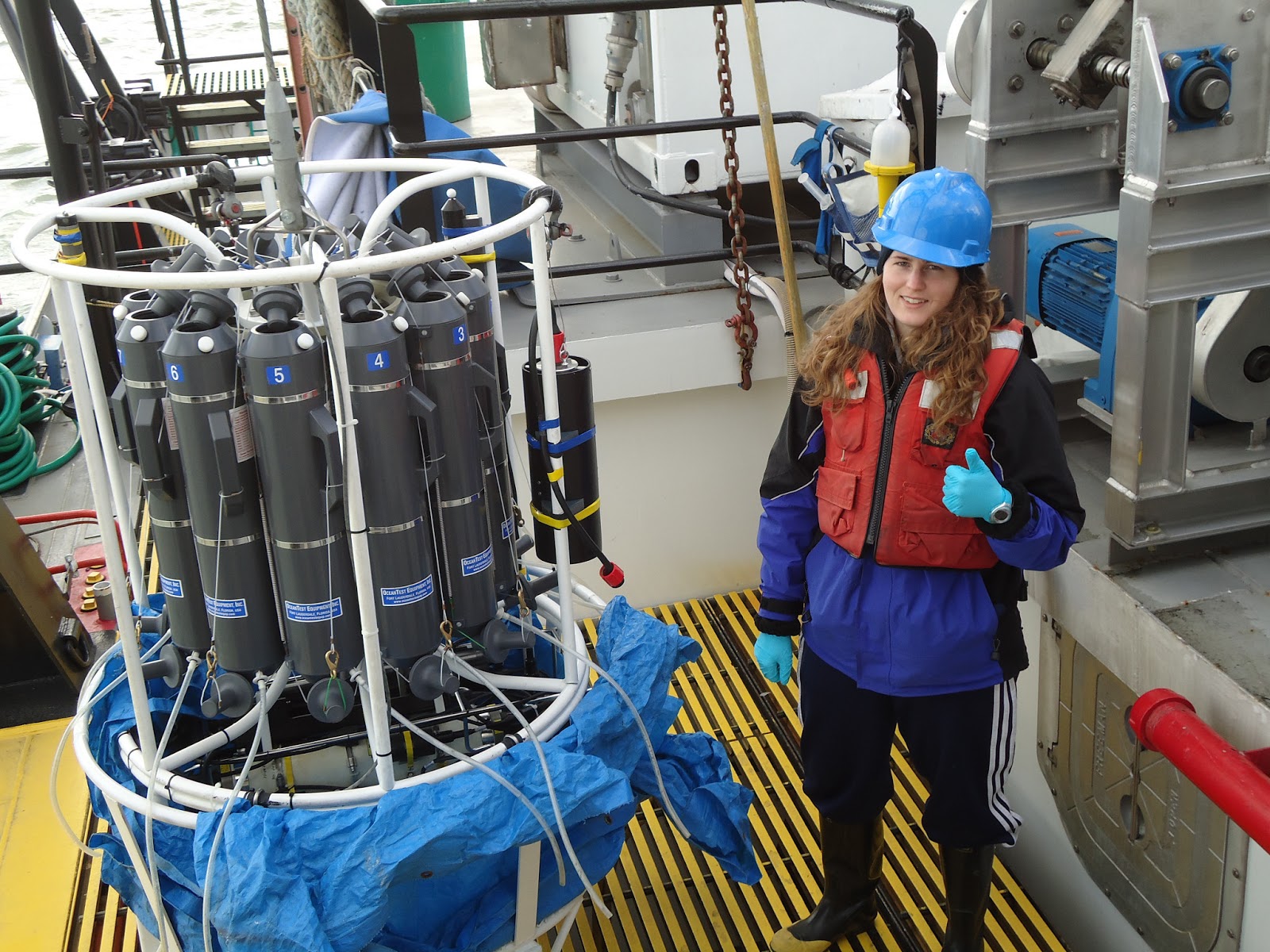
“This past summer I was lucky enough to intern with the Illinois Indiana Sea Grant and rediscovered my love of marine sciences. My internship taught me a great deal about freshwater ecosystems and problems that are occurring in the Great Lakes. I was able to learn so much about the Great Lakes ecosystems, limnological studies, and nutrient levels, and I gained hands on experience working on the US EPA R/V Lake Guardian research vessel collecting nutrient and biological samples. The internship also allowed me to work at the Illinois State Fair and educate the public about the many issues facing the Great Lakes. It was a great feeling to spread the word about how we can all make a change in our behavior so that we can make a difference in our environment! I am currently interning with Oak Ridge Institute of Science and Education (ORISE) and continuing to work on Great Lakes projects and take samples from the Great Lakes on the US EPA R/V Lake Guardian. The Illinois Indiana Sea Grant internship really helped further my contacts in the industry by networking and meeting people working in different areas of the Great Lakes. Illinois Indiana Sea Grant really opened my eyes to a whole new field and career opportunities. I cannot thank them enough!”
Illinois-Indiana Sea Grant is committed to giving students opportunities to gain real experience in marine sciences and Great Lakes issues. For updated information on fellowship and internship positions, visit our fellowship page regularly.
May 2nd, 2013 by Irene Miles
 Illinois and Indiana residents took full advantage of the latest national prescription drug take back event this past Saturday, bringing unwanted pharmaceuticals and over-the-counter medicines to locations set up for the one-day event. IISG staffers were again involved, promoting it through local radio and TV interviews and talking to visitors at Walgreens stores in Champaign and Urbana about the risks pharmaceuticals pose to aquatic environments. They also provided information about how to safely dispose of medicine between these national take-back opportunities.
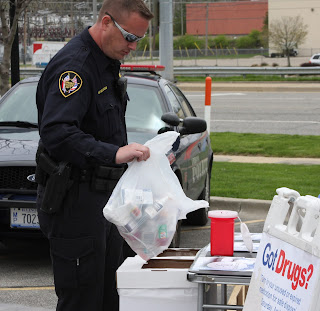 By the end of the 4-hour event, officials in Champaign and Urbana had collected 12 large boxes of unused medicine. These and other boxes collected throughout the country will be properly incinerated by the Drug Enforcement Administration (DEA). A final tally for how many pounds of pharmaceuticals were collected during the sixth National Take-Back Day will be announced by the DEA in the coming weeks. At last September’s event, Illinois residents brought in over 21,000 pounds of unwanted medicine for proper disposal, followed closely by Indiana’s 18,560 pounds. More than 2 million pounds of medicine have been disposed of nation-wide since the take-back days began in 2010.
IISG volunteers were also onsite to tell residents of the two cities about a new year-round collection program launching May 24. Like last year, many who brought in pharmaceuticals – often by the bagful – said they had been holding onto their medications for months, waiting for the next collection day. Permanent collection boxes at the Champaign, Urbana, and University of Illinois police departments mean residents will no longer have to wait for single-day events like these to rid their homes of unwanted pharmaceuticals.
To learn more about permanent programs operating in your area, or for information on how to dispose of medicine where collections are not available, visit www.unwantedmeds.org.
*The provided this post.provided this post.
May 1st, 2013 by Irene Miles
Today marks the first official day of the Illinois Clean Marina Program, a voluntary plan that gives marina and boatyard personnel the tools they need to keep pollution out of rivers and lakes. And Chicago’s newest and largest marina has already pledged to become the first clean marina in the state.
To earn clean marina status, 31st Street Harbor will implement a series of best management practices that make marina operations more efficient and environmentally friendly. The practices cover a broad range of topics from marina construction to sewage handling, and the majority of them are easy and affordable. Some of the activities in the program include conducting vessel maintenance without washing debris into water, scheduling construction to ensure that nearby habitats are protected, and other steps that help reduce environmental impacts.
Marina managers that pledge to join the program will receive training from the Illinois Department of Natural Resources (IDNR) to help implement the program’s best management practices. In addition, Illinois-Indiana Sea Grant, IDNR, and the Chicago Park District are developing a Clean Marina Guidebook with how-to guidance for all program requirements. The guidebook will give important information on laws and permit programs related to marina activities, direct marina personnel to additional resources, and include clean boating tip sheets that can be distributed to boaters. The Illinois Clean Marina Guidebook will be available soon on the program website.
Officials at the Park District expect 31st Street Harbor to complete the certification process later this month. Five additional marinas in the Chicago area are expected to join their ranks within the year. Marina managers interested in pledging to be a clean marina can contact IDNR’s Kim Kreiling at 312-814-6260 or kim.kreiling@illinois.gov to begin the certification process.
April 29th, 2013 by Irene Miles
A commission of U.S. and Canadian experts is recommending immediate study in to causes for the historically low levels in the Great Lakes, and possible actions that can be taken.
From The Wall Street Journal:
“In a report in March 2012, a panel formed by the International Joint Commission didn’t take a stand on whether to try to fix the situation in the St. Clair, northeast of Detroit on the Michigan-Ontario border. After extended public hearings last summer, though, the commission is now recommending serious consideration by the two nations of how to slow the river’s water flow.
‘Although future water levels are uncertain, we cannot ignore the damage from record low water levels,’ Joe Comuzzi, Canadian chairman of the commission, said in a statement. ‘From Georgian Bay to Door County, from shoreline property owners to the shipping industry, we heard calls for action, and we urge governments to act in response to our recommendations.'”
Follow the link for the complete article, including the commission’s recommendations.
April 26th, 2013 by Irene Miles
Two student applicants sponsored by Illinois-Indiana Sea Grant were selected for Knauss fellowships this year, and both have begun their respective positions working on issues related to protecting water resources.
Najwa Obeid and Will Tyburczy both wrote in to update us on the positions they selected and the specific areas where they will be focusing their energies.
 “My host office is the Division of Ocean Sciences at NSF,” writes Najwa. “I will be involved in activities under the Science, Engineering and Education for Sustainability (SEES) cross-foundation portfolio, and in particular, the new Coastal SEES program. The goal of Coastal SEES is to support interdisciplinary research on the dynamic interactions between human behavior, physical forces, and ecological processes in the coastal zone. This program will support fundamental research to facilitate the nation’s ability to maintain sustainable coastal systems.
My involvement with Coastal SEES will allow me to broaden my interdisciplinary understanding by participating in the peer review panels and by conducting background research to help the program. I will also gain exposure to policy though my involvement in the National Ocean Policy Ecosystem-based Management interagency taskforce.”
Meanwhile, Will is working in NOAA’s Office of Program Planning and Integration, “which helps to coordinate activities across NOAA to ensure that the organization is using its resources effectively to meet NOAA’s mission and the nation’s needs. Specifically, I work on NOAA’s Regional Collaboration Network. The Network was formed to improve communication, coordination, and collaboration across NOAA’s programmatic line offices (Weather Service, Fisheries, Satellite and Information Service, Ocean Service, and Oceanic and Atmospheric Research). This is critical for issues that transcend traditional line office boundaries, such as providing stewardship for aquatic habitat or integrating NOAA’s emergency and disaster response capabilities. The network also provides a direct conduit between NOAA leadership and NOAA’s regional partners and stakeholders, allowing the administration to respond more rapidly and effectively to local issues and concerns. Recent examples of network activities include helping the Great Lakes-St. Lawrence Cities Initiative to provide training on climate adaptation planning to 104 cities, and helping to prioritize and coordinate efforts in Alaska to manage tsunami debris.
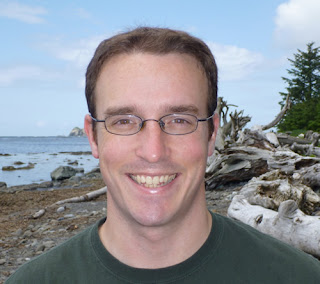 Thus far in my fellowship, I have had the opportunity to work on a wide variety of projects for PPI and the network. They include presenting NOAA leadership with the ongoing impact of federal sequestration on network activities, preparing proposals to improve the efficiency in oversight for network travel needs, and helping the network to develop documents that effectively convey to headquarters the key priorities, emerging issues, and network activities in each of the network’s eight regions. I am also participating in a NOAA-wide project to optimize the execution of NOAA’s corporate planning. These activities are improving my workplace skills, such as effective writing, project management, and facilitation, as well as helping me to learn about the diverse array of critical services that NOAA provides to communities across the nation.”
Stay tuned for future blog posts to learn more about how these IISG fellows progress in their new positions. To learn more about the fellowship program, visit the National Sea Grant College Program Dean John A. Knauss Marine Policy Fellowship website.
April 23rd, 2013 by Irene Miles
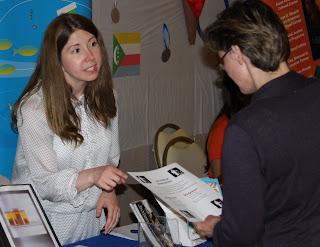 IISG science writer Anjanette Riley was in attendance at the University of Illinois’ Student Health Fair April 17 and sent in this post about the event.
—
At a booth in the heart of the Student Health Fair held yesterday at the University of Illinois Urbana-Champaign, one important question could be heard throughout the day: If I shouldn’t flush them down the toilet, what am I supposed to do with my unused medications?
IISG’s Laura Kammin and Corrie Maxwell Layfield were there to communicate the importance of properly disposing of medicines. During the one-day event, Laura and Corrie talked with more than 130 people about the health and environmental risks posed by pharmaceutical pollution and how they could safely dispose of unwanted medicines. Visitors were also told about the nationwide medicine takeback event coming up on April 27 where they could drop off human and pet medications at locations throughout Illinois.
Amid the buzz and bustle of the crowded fair, many students lingered at IISG’s booth with additional questions about research on the effects of pharmaceuticals in water and locations of permanent collection programs. Most were surprised to learn that pharmaceutical chemicals have been found in lakes and rivers and linked with changes in wildlife behavior and health. Those who had heard of the dangers of flushing unwanted medication were also surprised to hear that pills thrown in the trash could leach into ground water or find their way to wastewater treatment plants.
But despite how much they knew about proper pharmaceutical disposal when they stopped at the booth, many left promising not to not to flush or throw away their medication in the future.
 “People get the “Don’t Flush” message,” said Kammin. “But it isn’t common knowledge yet that putting our unwanted meds in the trash just delays their trip to local water supplies. These students really got that message.”
Laura and Corrie also talked with university professors and fellow exhibitors interested in spreading the word about proper disposal. One professor wanted to incorporate pharmaceutical pollution into a class on environmental hazards. And exhibitors from health clinics and advocacy groups took IISG materials with information on collection programs and what to do when a program is not available to share with their patients and clients.
Learn more about properly disposing of unwanted medicines at our UnwantedMeds.org site, and for more information about the Drug Enforcement Administration’s National Prescription Drug Take-Back Day on April 27 including a list of locations, visit the DEA event website.
April 22nd, 2013 by Irene Miles
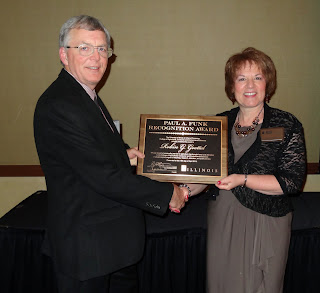 |
| IISG Director Brian Miller congratulates Robin on her award |
|
Robin Goettel, Illinois-Indiana Sea Grant’s associate director for education, was recently recognized for her career-long commitment and contributions to improving natural resources.
The Paul A. Funk Recognition Award is given annually “to faculty and academic professionals for outstanding achievement and major contributions to the betterment of agriculture, natural resources, and human systems.”
Specifically, Robin’s work has extended and expanded water information and education in Illinois by introducing water science concepts, activities, curricula, and more to students and teachers throughout the state and the Midwest.
Robin was one of three people selected for this prestigious award, and the video below highlights her achievements.
April 18th, 2013 by Irene Miles
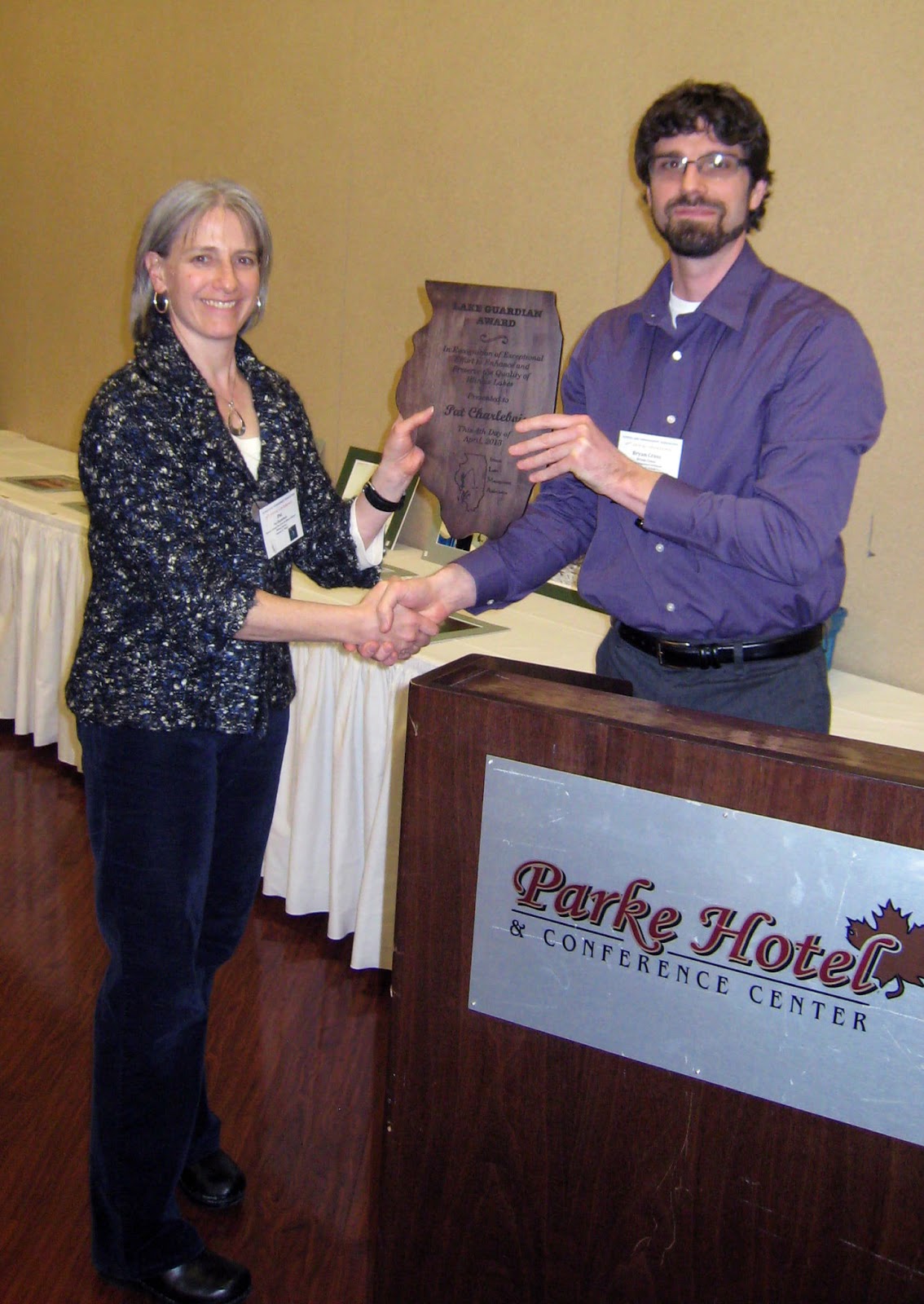
Each year the Illinois Lakes Management Association recognizes one outstanding professional or volunteer for their significant contributions to preserving and protecting the quality of Illinois lakes.
The Lake Guardian award, given annually, acknowledges each winner’s career-long efforts to ensure healthy lakes throughout the state of Illinois, and this year Illinois-Indiana Sea Grant’s Pat Charlebois was selected from among several nominees.
Pat’s work on outreach efforts to prevent the spread of aquatic invasive species is especially important to protecting Illinois’ waterways. The development of tools to inform boaters, anglers, and the general public about the dangers of these species, as well as best management practices and regulations, continue to be instrumental in protecting delicate ecosystems, and Pat has lead the way in these areas.
To learn more about our work on aquatic invasive species, visit our AIS page.