
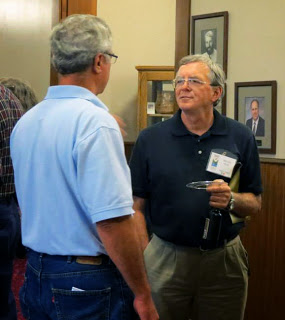
The Purdue University Department of Forestry and Natural Resources (FNR) celebrated their centennial anniversary from September 20-22, and included back-to-class sessions, tours of FNR buildings including the aquaculture research laboratory, and a Saturday evening banquet. More than 250 guests, including many FNR alumni, joined in the celebrations.
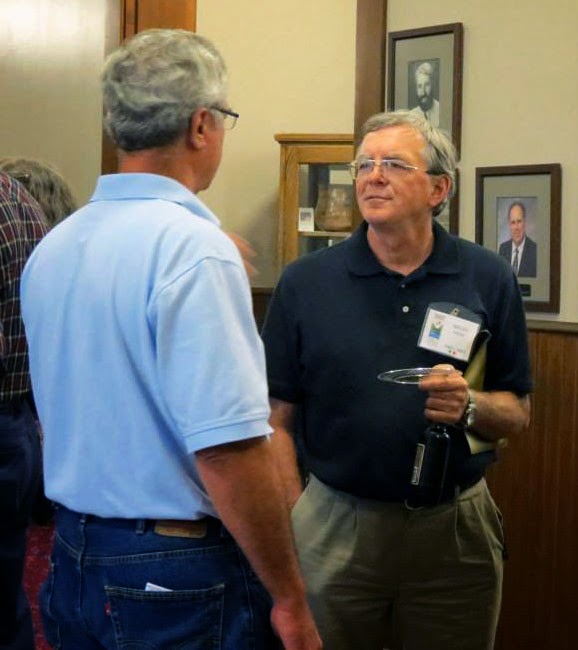 FNR has spent the past 100 years training professional foresters, fishery and wildlife scientists, and natural resource managers who help to preserve and protect environmental resources throughout the country.
Illinois-Indiana Sea Grant (IISG) has proudly partnered with FNR for more than 30 years. Brian Miller, IISG Program Director, said, “The Illinois-Indiana Sea Grant College Program highly values our 30 year partnership between NOAA, Purdue University, and the University of Illinois. This type of bi-state partnership only works in one other Sea Grant college in the country, and only works because of the mission-driven spirit of collaboration that exists on both of our campuses. The innovation, dedication and creativity of FNR have helped make the Illinois-Indiana Sea grant college program successful and enabled us to achieve positive impacts for local communities and the Great Lakes ecosystem.”
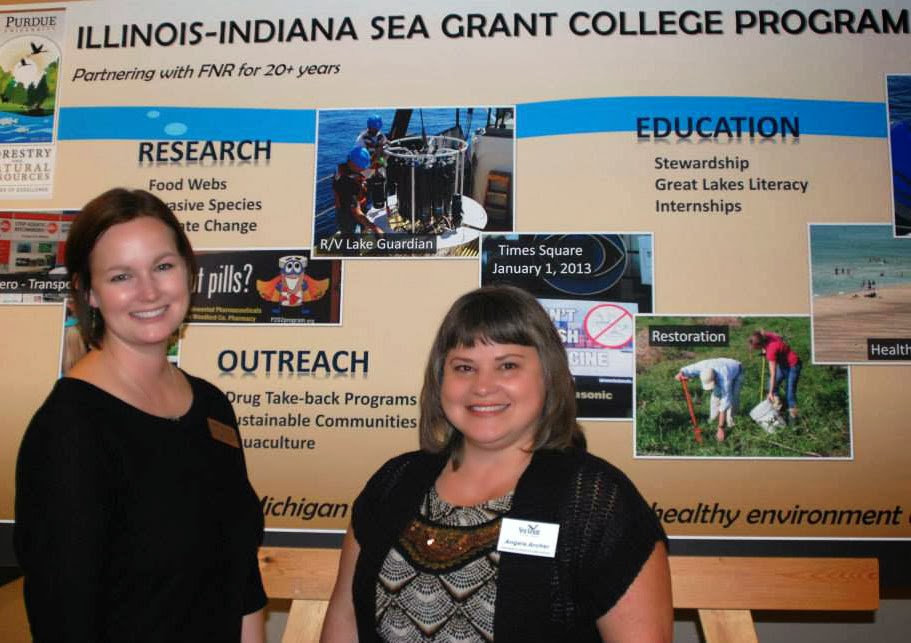
Recent IISG work was showcased during a welcome reception Friday night, and IISG staff assisted in organizing several of the celebration events throughout the weekend. Numerous current IISG staff members have worked closely with FNR, including Miller, Angela Archer, Carolyn Foley, Tomas Hӧӧk, Kwamena Quagrainie, and Kara Salazar, and the partnership continues to offer a crucial link in protecting coastal areas and waterways.
*Photos courtesy the FNR Centennial Committee




