Posted June 14th, 2013 in Aquatic Invasive Species, Recreation & Tourism
Illinois-Indiana Sea Grant and the Illinois Department of Natural Resources are collaborating on a new campaign to get boaters, fishers, divers, and everyone who loves spending time on the water involved in protecting the environment.

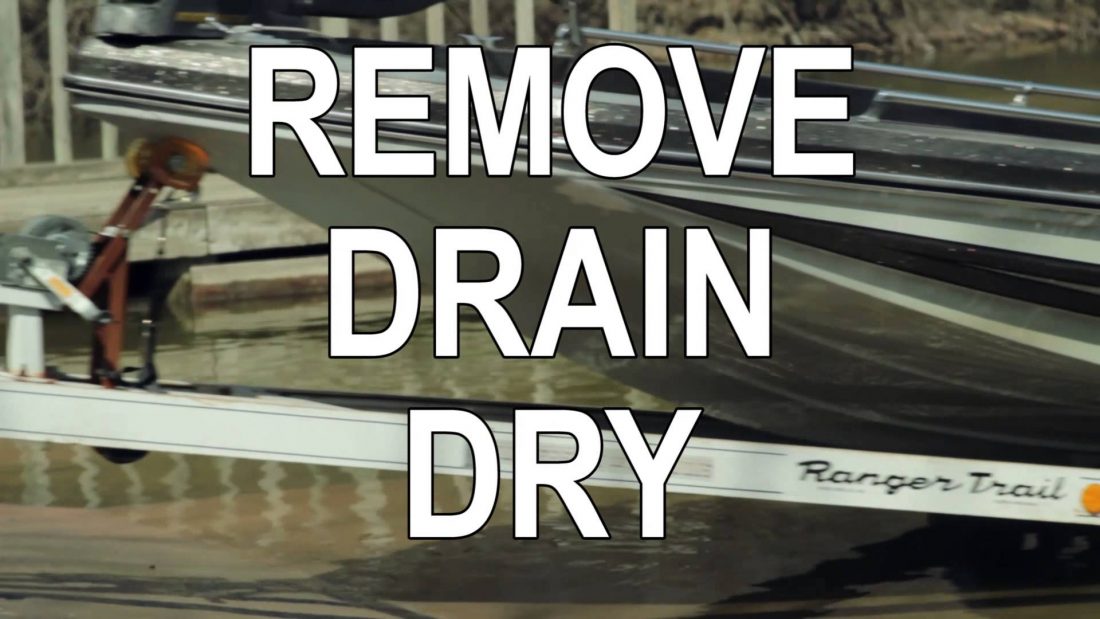
“Be a Hero – Transport Zero” is a multi-season message that strikes at one of the big problems facing our waterways – aquatic invasive species. With three simple steps, though, everyone can help stop the spread of these aquatic invaders. Each time you leave a body of water, just take a minute to go through these easy procedures:
– Remove any plants, animals, and mud from boats, trailers and equipment
– Drain everything (bait buckets, live wells, etc.)
– Dry everything with a towel
 From boaters and kayakers to waterfowl hunters, scuba divers, sea plane operators, and more, everyone can help prevent invasive species from taking over their favorite waterways with these three actions.
 And visit www.TransportZero.org to learn more about preventing the spread of aquatic invasive species.