October 8th, 2014 by iisg_superadmin
Today we take a break from discussing the latest Great Lakes research to recognize one of the scientists who laid the foundation for modern water science.
From the U.S. Geological Survey’s Science Features:
 Luna B. Leopold, son of famed conservationist Aldo Leopold, arrived at the USGS in 1950. For the next two decades, Leopold revolutionized hydrologic sciences within and outside the USGS. He is best known for his work in the field of geomorphology, the study of land features and the processes that create and change them. His work is often cited today by leading scientists in water research, both at the USGS and around the world.
Leopold had a lasting impact on the field of water science. He knew the broader importance of our water resources and that humans can have great impact on whether water is available, now and in the future. Our society depends on safe and reliable water supplies, as do the Earth’s diverse and valuable ecosystems. Today, our nation is faced with the challenge of balancing a finite freshwater supply between competing needs, such as agriculture, drinking water, energy production, and ecosystems.
Leopold recognized the fundamental value of science in making smart decisions about water resources and laid the groundwork for modern water science. During his tenure he transformed USGS water research into a professionally-recognized provider of water quality and availability information.
For six years, he served as a hydraulic engineer before becoming the first Chief Hydrologist in the history of the USGS, a position he held until 1966 when he stepped down to pursue his research. While at the USGS, he led the effort to restructure the water science programs to focus on viewing water as a single resource. For example, USGS continues to research the interactions between surface water and groundwater, because use of either of these resources affects the quantity and quality of the other.
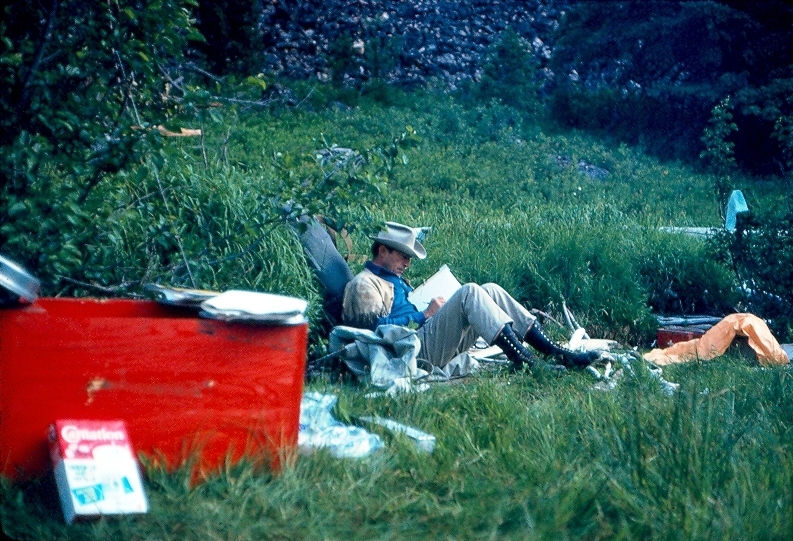
***Leopold writes down his reflections during a 1966 research expedition in Idaho. Photo courtesy of USGS.
October 7th, 2014 by iisg_superadmin
Scientists from Central Michigan University’s Institute for Great Lakes Research (IGLR) are expanding their basin-wide Great Lakes coastal wetlands monitoring program with help from grant funding from the U.S. Fish and Wildlife Service and the Wisconsin and Illinois-Indiana Sea Grant programs. The program is one part of a collaborative project that brings together researchers from IGLR, Notre Dame, and the University of Wisconsin-Green Bay. The results will help natural resource managers better target protection and restoration efforts.
From the Midland Daily News:
They also will be able to help assess the importance of coastal wetlands as they relate to the food web of the Great Lakes ecosystem by studying otoliths, or fish ear bones, to determine where fish are obtaining energy for growth.
Otoliths grow daily, similar to rings found in the trunk of a tree. With the use of a precise laser beam, IGLR researchers can sample the chemical composition of targeted areas of the otoliths and relate this “chemical fingerprint” to specific coastal wetlands, even when fish are caught in the open water of the Great Lakes, far from any wetlands.
It is hoped that this research will result in a long-term, sustainable monitoring program aimed at restoring and protecting Great Lakes coastal wetlands, which provide a critical habitat for many species of birds, mammals, reptiles and amphibians, and an essential spawning and nursery habitat for many fish species of ecological and economical importance to Michigan’s $7.5 billion commercial and sports fishing industry.
The research project is one of three awarded a combined total of $380,000 from IISG earlier this year. Additional projects seek to uncover the connections between sediment removal projects and a community’s ability to weather environmental hazards and identify why people adopt stormwater management practices.
And IISG continues to fund strong research projects like these. In fact, last month we announced a new funding opportunity for research addressing key economic planning questions facing the Great Lakes region. Researchers may request up to $96,000 for 18 months. Proposals are due by 5 pm CST on Nov. 17, 2014. Read the full RFP for information on project and application requirements.
October 1st, 2014 by iisg_superadmin
A federal appeals court yesterday unanimously rejected a challenge by the pharmaceutical industry to a local ordinance that would require drug manufacturers to pay for the disposal of unwanted medicine in California’s Alameda County, the first law of its kind in the nation.
Approved by county supervisors in July 2012, the Alameda County Safe Medication Disposal Ordinance requires the makers of prescription drugs sold in the county to fund the collection, transportation, and disposal of unused or expired medications from residential sources. The requirements are similar to those underpinning successful medicine collection programs in Canada, France, and Australia.
Implementation of the law was stalled in Dec. 2012 by a lawsuit filed by industry trade associations. With support from drugmakers and the U.S. Chamber of Commerce, the groups argued that the ordinance illegally shifts local costs to out-of-county producers and interferes with interstate commerce. But the Ninth Circuit Court of Appeals in San Francisco disagreed, saying the ordinance treats local and non-local manufacturers equally and imposes no substantial burden on interstate trade.
Pharmaceutical manufacturers could still appeal to the Supreme Court. If the decision stands, it could serve as a precedent for a similar measure in Washington. In the wake of the Alameda County ordinance, the King County Board of Health passed a law requiring manufacturers to install medicine drop-off boxes and provide pre-paid, pre-addressed mailers upon request.
The county was sued in Nov. 2013, with drug manufacturers comparing the ordinance to requiring news publications to conduct paper recycling or food producers to collect spoiled food. That case was put on hold until the Alameda County lawsuit could be resolved.
September 29th, 2014 by iisg_superadmin
Caitie McCoy, our environmental social scientist, writes in today to tell us about a unique education experience:
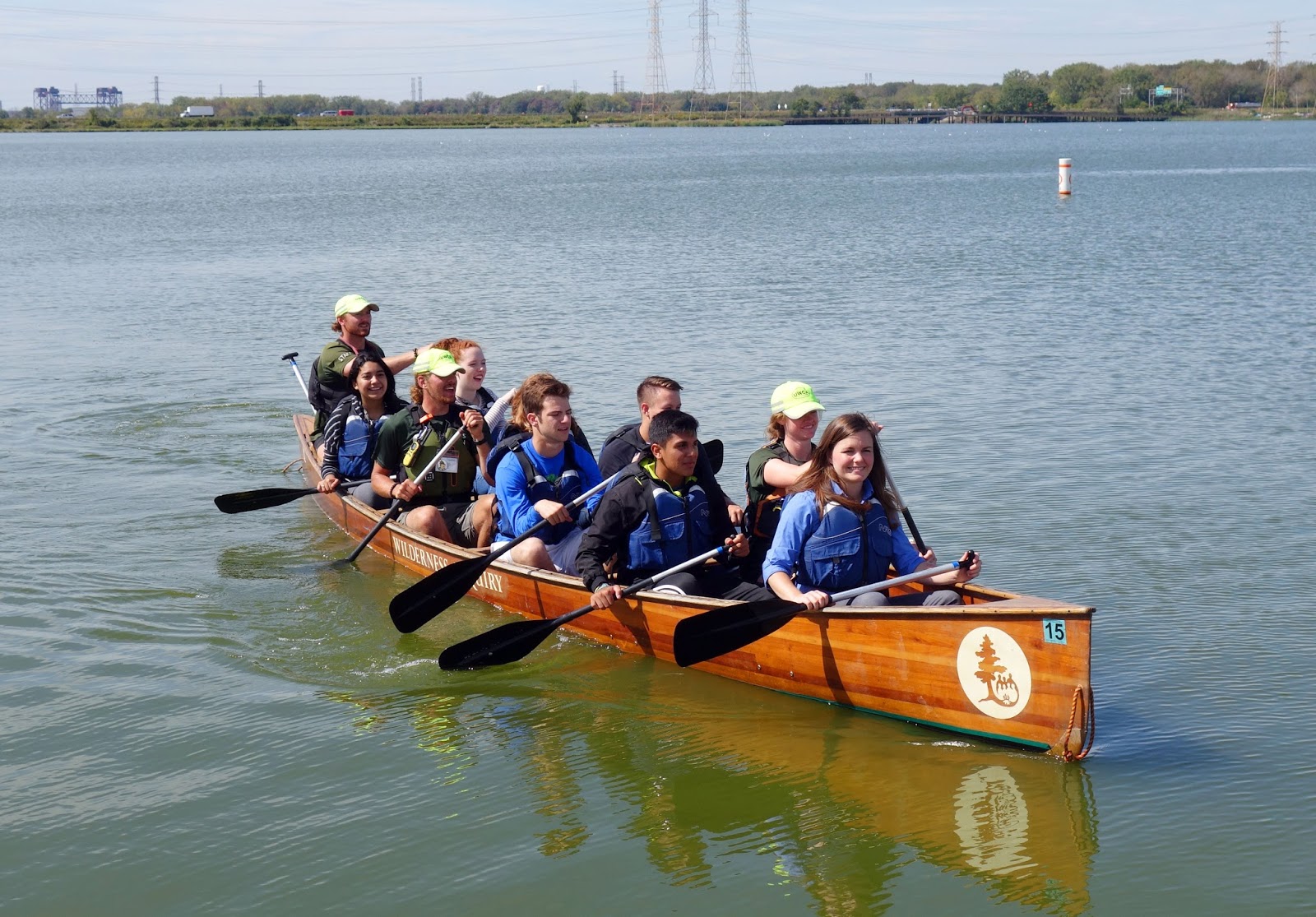
Last week, I ventured out of the office and into the field to hit the waters of the recently restored Wolf Lake with about 200 students from Hammond, IN. The weather was perfect for two days of canoeing and environmental education. Compassion for nature starts in childhood, so when asked by some partners at U.S. EPA, I jumped at the chance to help provide youth with such a meaningful outdoor experience.
We began our first day with an energetic greeting from Wilderness Inquiry, a national non-profit that aims to get as many city kids on the water as possible. The majority of the students had never been on any kind of boat before, but a friendly sun and slight breeze helped to calm a lot of nerves.
Students went out on the canoes in waves throughout the day, learning how to paddle and touring many restoration features. There were a lot of beautiful sites to see, including an egret that sat as still as a statue for hours on an island full of colorful native plants. Goldenrod, blue asters, and red maples dotted the landscape. With all the natural beauty surrounding us, we almost forgot that we were located in the middle of one of the country’s top industrial powerhouses .
The EPA team and I stayed busy providing the students with learning experiences as they waited for their turn on the canoes. We brought the Enviroscape, and it was a hit. Students loved the interactive nature of the game and learned a lot about their local watershed and what they can do to protect it from different pollution sources. We also took them on hikes by the lake, picking up litter and identifying different plant species.
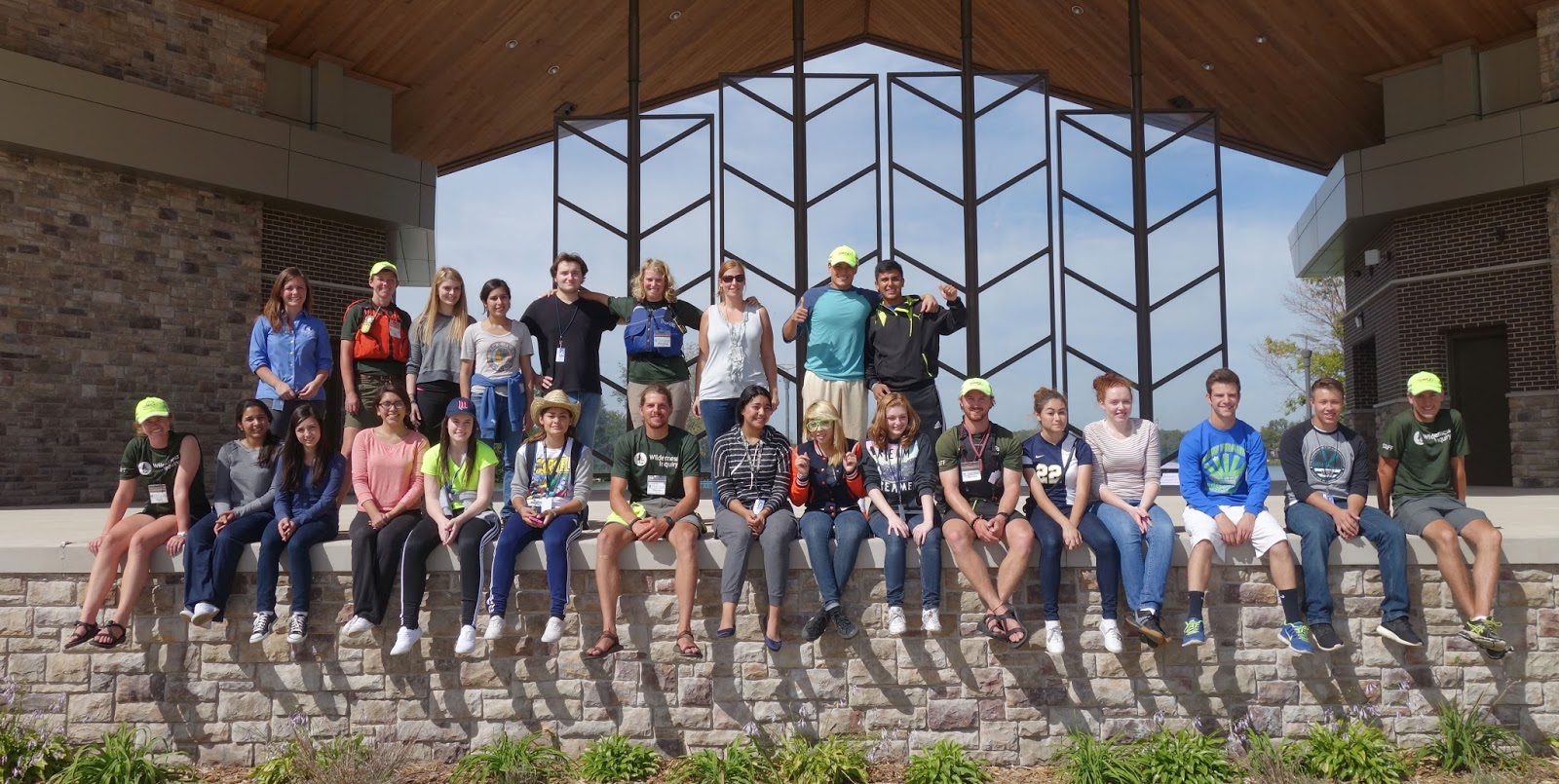 We had a lot of fun teaching, but I must admit, the highlight of my two days at Wolf Lake was jumping into a canoe and paddling around on the calm water with the students. It was rewarding to see high school students drop their guard and excitedly point out different shorebirds or hear them discuss the need to clean up the pollution in northwest Indiana, completely unprompted by an adult.
I’m grateful for our partnership with Wilderness Inquiry, and I hope to join them again next year. The opportunity is just too meaningful to miss!
September 26th, 2014 by iisg_superadmin
 The U.S. EPA announced a new plan to improve water quality and restore habitats in the Great Lakes earlier this week during a meeting of region’s mayors in Chicago. The five-year plan, known as the Great Lakes Restoration Initiative Action Plan II, calls for a dramatic expansion of urban stormwater management projects and a more than 1,400 ton reduction in phosphorus fertilizer runoff. It also roughly doubles the number of acres covered by efforts to control invasive species and requires that new wetlands include plants that can thrive as climate change brings warmer temperatures.
From The New York Times
It builds on a four-year initiative, begun in President Obama’s first term, that has already spent $1.6 billion on more than 2,100 restoration projects on the lakes’ American side. The added initiative, which extends through 2019, is expected to cost roughly the same.
The government says the project is the largest conservation program in the nation’s history, involving 15 federal agencies and the eight Great Lakes states. Read more
 In addition to laying out new strategies, the latest phase of the Great Lakes Restoration Initiative continues efforts to clean up Areas of Concern across the region, where polluted water and contaminated sediment pose a risk to wildlife and public health. Five of these largely industrial rivers and harbors have been restored in the last four years, and 10 more are slated for cleanup by 2019.
September 25th, 2014 by iisg_superadmin
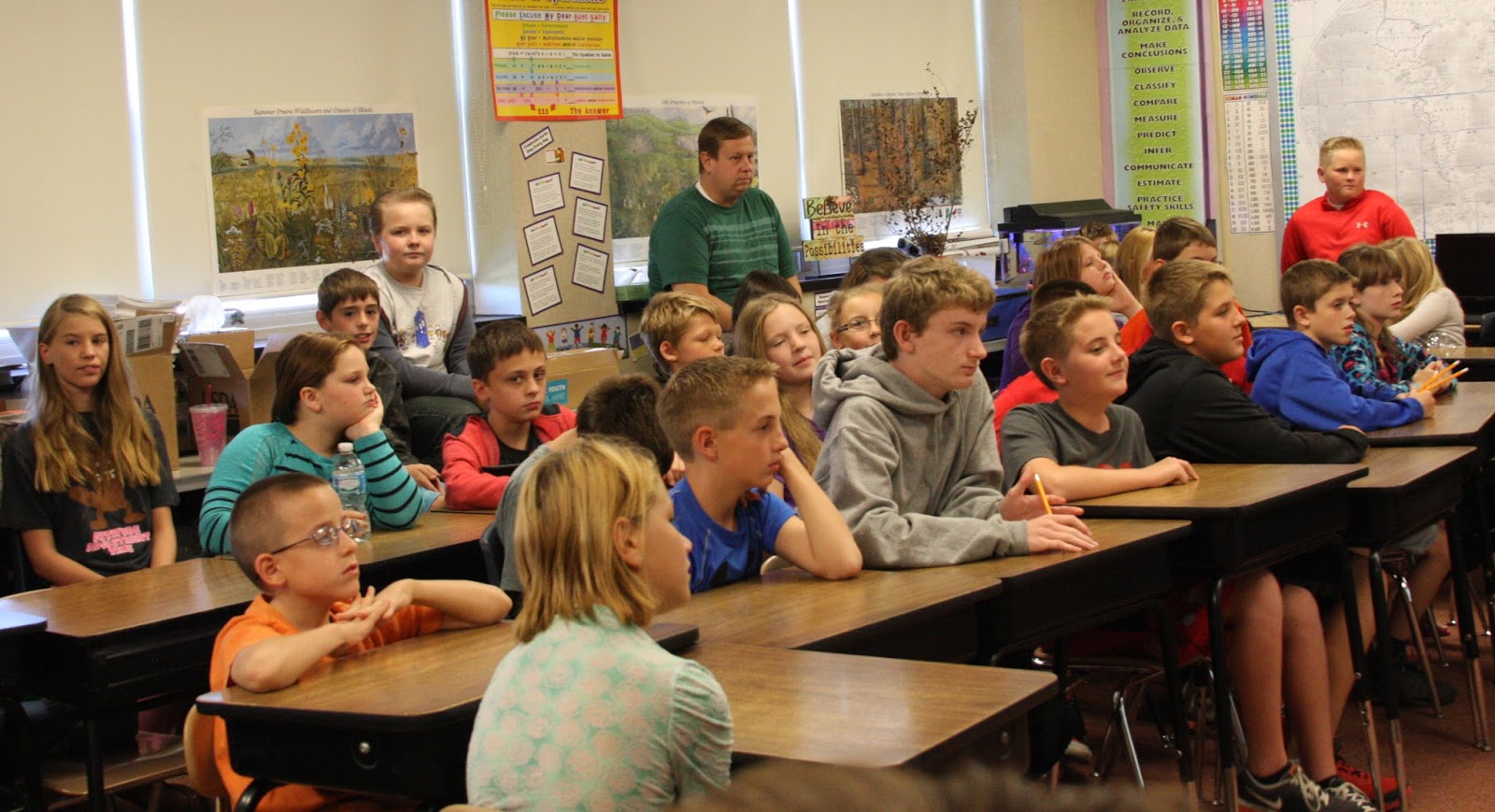 Charleston, IL may be hundreds of miles from where the R/V Lake Guardian was collecting samples in Lake Erie earlier this week, but that didn’t stop a group of sixth graders from taking a tour of the U.S. EPA vessel. From the comfort of their classroom, more than 60 students and teachers watched as EPA researcher Beth Hinchey Malloy talked about living and working on a boat and showed them around.
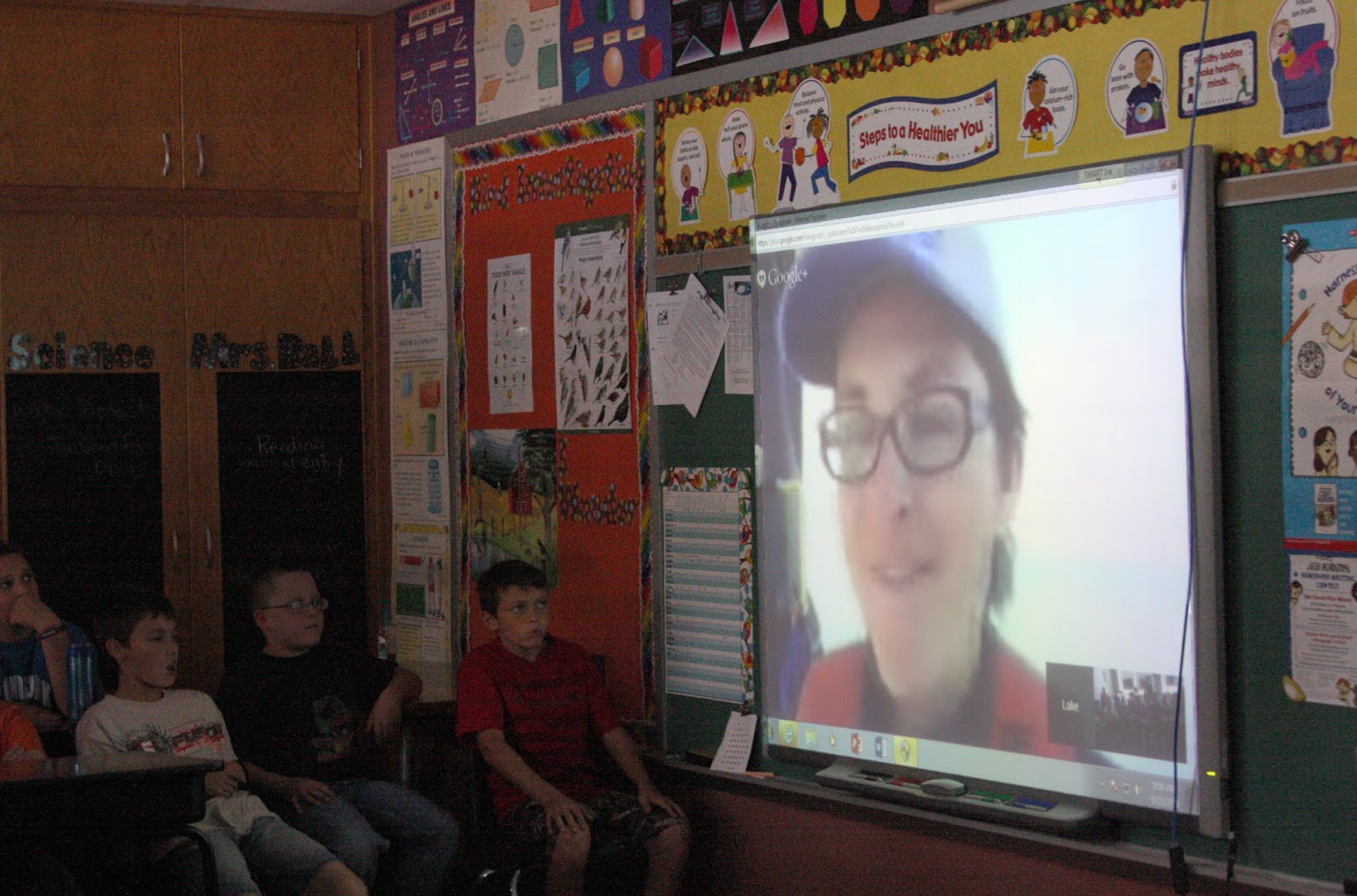 The tour started, of course, on the ship’s deck and quickly moved inside to the labs, where scientists took a break from processing samples to explain how studying bug populations helps researchers judge the health of aquatic ecosystems. From there it was on to the galley to see what’s for lunch and up to the bridge to chat with the captain.

And the students had more than a few questions, particularly for the captain—Is it easy to drive the boat? How can you tell how deep the water is? Where does the Lake Guardian go?
Students also got a sneak peak at the type of equipment they will use later this year to collect data on water characteristics like dissolved oxygen, conductivity, and pH. Their teacher, Pamela Evans, is one of several scheduled to use the Hydrolab to make science class more hands-on this year.
The event ended after a jam-packed 30 minutes because another class was waiting on deck to take the tour. In fact, eight classes across the Great Lakes region got a first-hand look at the Lake Guardian this week. And this is just the beginning. The research vessel will soon dock for the winter, but video chats with EPA scientists will continue throughout the school year.
The video chats and equipment loan program are all part of efforts by IISG and the EPA Great Lakes National Program Office to boost Great Lakes education. Teachers were introduced to the programs, along with other classroom resources, during the annual Shipboard Science workshop.
September 23rd, 2014 by iisg_superadmin
 Indiana communities along Lake Michigan are celebrating this year’s SepticSmart Week, Sept. 22-26, by reminding homeowners of the importance of septic system maintenance to environmental and public health.
An estimated 60,000 households in Lake, Porter, and LaPorte counties depend on septic systems to treat wastewater. Without regular maintenance, these systems can backup or overflow, contaminating nearby lakes, rivers, and groundwater supplies with everything from excess nutrients to E. coli to pharmaceutical chemicals. Septic system failures are also one of the primary causes of beach closures in Indiana.
To prevent failures, U.S. EPA and the Northwest Indiana Septic System Coordination Work Group has some advice for homeowners:
-
Protect it and inspect it: Have your system inspected every three years by a licensed contractor and have your tank pumped when necessary, typically every 3-5 years. Many septic system failures occur during the holiday season, so be sure to get your system inspected and serviced now before inspectors’ schedules fill up around the holidays.
-
Think at the sink: Avoid pouring fats, grease and solids down the drain. These substances can clog pipes and the drain field.
-
Don’t overload the commode: Only put things in the drain or toilet that belong there. Coffee grounds, dental floss, diapers and wipes, feminine hygiene products, cigarette butts, and cat litter can clog and damage septic systems.
-
Don’t strain your drain: Be water efficient and spread out water use. Fix plumbing leaks and install faucet aerators and water-efficient products. Spread out laundry and dishwasher loads throughout the day. Too much water at once can overload a system that hasn’t been pumped recently.
-
Shield your field: Remind guests not to park or drive on the drain field, which could damage buried pipes or disrupt underground flow.
The Northwest Indiana Septic System Coordination Work Group brings together federal, state, and local governments and agencies, state and county health departments, and not-for-profits to provide homeowners with information and assistance on the proper care of septic systems. IISG’s Leslie Dorworth has been a part of the group since it began in 2012. For more information or to get involved locally, contact Dorreen Carey at the Indiana DNR Lake Michigan Coastal Program at 219-921-0863 or dcarey@dnr.in.gov.
SepticSmart Week is part of U.S. EPA’s year-round SepticSmart program. In addition to educating property owners, the program is an online resource for industry practitioners, local governments and community organizations that provides access to tools to educate clients and residents.
September 18th, 2014 by iisg_superadmin
Exciting changes are coming to Wisconsin’s Lincoln Park, part of the Milwaukee River Area of Concern. Phase two of Great Lakes Legacy Act efforts to remove historical contaminants from the river bottom is set to begin next month. And park neighbors and stakeholders from across Milwaukee County are already well on their way to launching a Friends of Lincoln Park group that will help foster greater community stewardship.
 More than 20 neighbors came together for the first time earlier this month to get to know each other, discuss potential group goals, and brainstorm ways to achieve them. They were joined by numerous local and regional organizations interested in protecting Lincoln Park, including University of Wisconsin Extension, Milwaukee County Parks, the Park People, and the Illinois-Indiana and Wisconsin Sea Grant programs.
Nothing is official yet, but the meeting ended with two main goals on everyone’s mind: fostering a sense of community with the park at the center and protecting the local environment.
“For a long time, the park was very community centered, but it has become more of an outsider attraction in the last few decades,” said Caitie McCoy, IISG’s social scientists and co-host of the meeting. “The group had great ideas for re-energizing community interest with events that bring locals out to enjoy all the resources the park has to offer.”
The idea for a Friends group took shape during focus groups conducted this spring by Caitie and UW-Extension’s Gail Epping-Overholt. They spoke with a variety of people living or working near Lincoln Park to better understand community perceptions of the park and ongoing sediment remediation efforts. When the results of the needs assessment were in, it was clear that residents were interested in forming the Friends of Lincoln Park.
The results will also play a key role in shaping public outreach and project messaging as dredging kicks off again this fall for phase two of the remediation. More than 120,000 cubic yards of contaminated sediment have already been removed from the Lincoln Park segments of the Milwaukee River, and this next round of dredging is expected to remove another 35,000 cubic yards. Together with cleanup efforts in nearby Blatz Pavilion lagoon, the two Lincoln Park projects are expected to reduce the amount toxic PCBs flowing into the Milwaukee River system by 70 percent, a drop that will go a long way towards delisting the AOC.
To learn more about recommendations to come out of the needs assessment, download the full report from our products page. And if you live in the area and are interested in joining the Friends of Lincoln Park, come out to the next meeting on October 9.
Special thanks to IISG interns Erika Lower and Mark Krupa for their help analyzing and the results of the needs assessment and to Jane Harrison at Wisconsin Sea Grant for taking notes during the focus groups and helping to coordinate the Friends meetings.
***Photo courtesy of University of Wisconsin-Extension.
September 17th, 2014 by iisg_superadmin
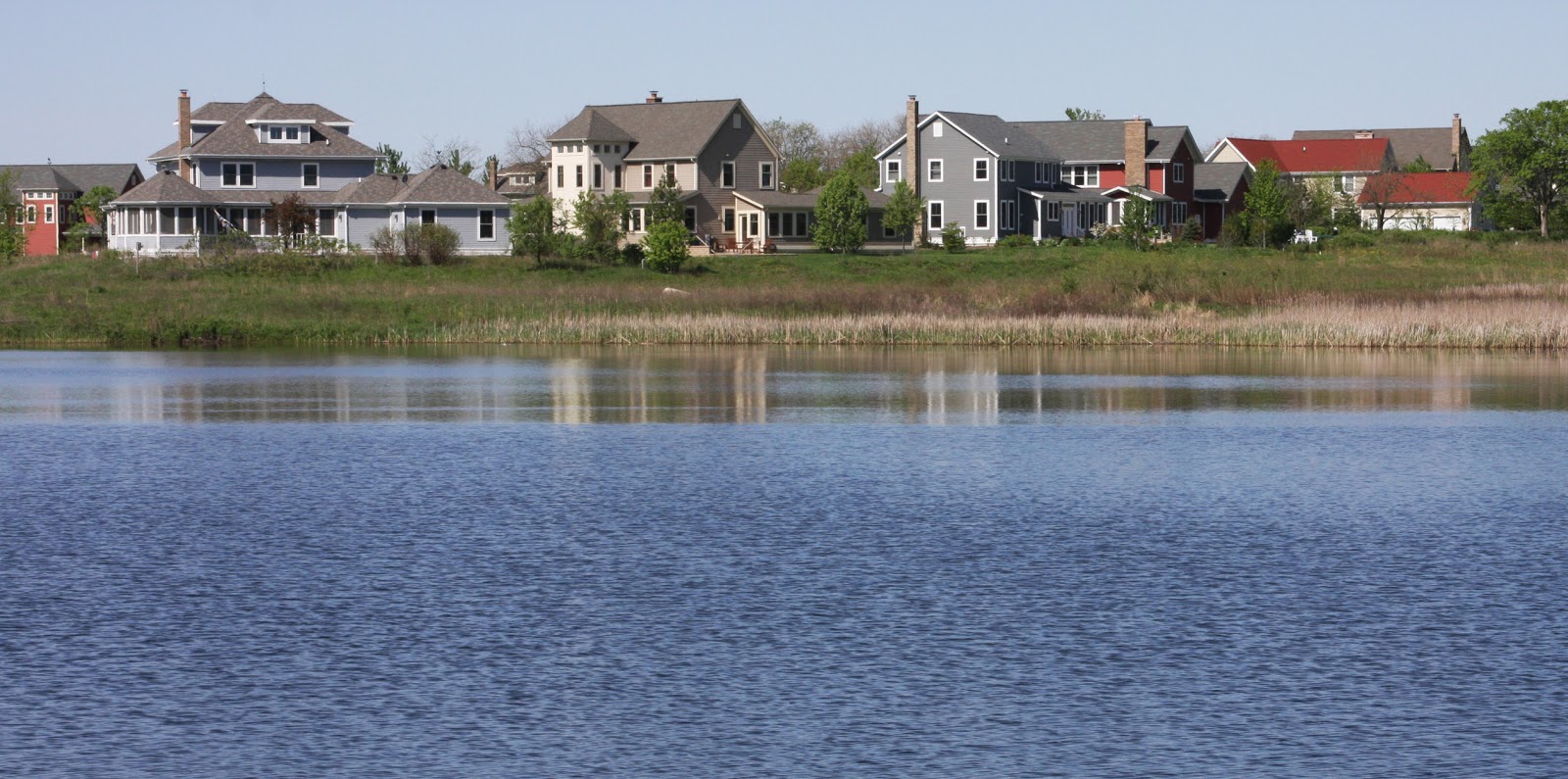 Lawn care decisions play a large role in local water quality and the health of aquatic wildlife. The fertilizers, pesticides, and other chemicals we put on our lawns can be washed into nearby lakes and rivers in stormwater runoff. Once there, these pollutants spur algae growth, clog gills, decrease resistance to disease, and suffocate eggs and newly hatched larvae.
The IISG-led Lawn to Lake program continues to educate homeowners, landscapers, and master gardeners on natural lawn care practices that can improve soil health and protect water quality. The program works with community partners across the region to conduct training workshops and provide ‘how to’ resources for a range of audiences.
Lawn to Lake outreach has led to management changes on an estimated 22,415 lawn acres. These changes are expected to reduce the use of lawn care chemicals, including weed and feed, by more than 3 million pounds a year, protecting nearby aquatic ecosystems from chemical-laden runoff while fostering healthy lawns.
 To learn more about how IISG is empowering communities and individuals to secure a healthy environment, check out our 2013 program impacts.