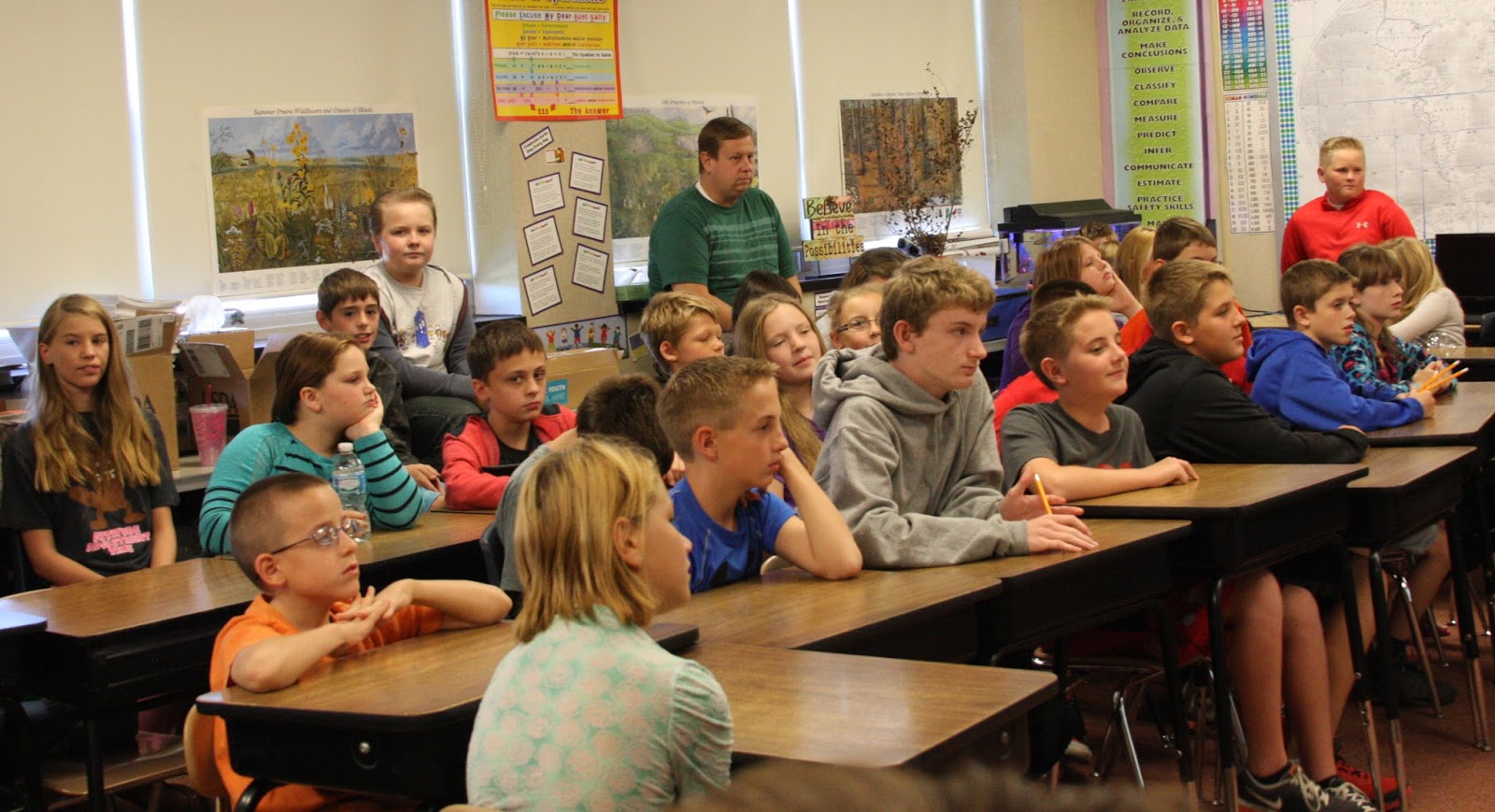
 Charleston, IL may be hundreds of miles from where the R/V Lake Guardian was collecting samples in Lake Erie earlier this week, but that didn’t stop a group of sixth graders from taking a tour of the U.S. EPA vessel. From the comfort of their classroom, more than 60 students and teachers watched as EPA researcher Beth Hinchey Malloy talked about living and working on a boat and showed them around.
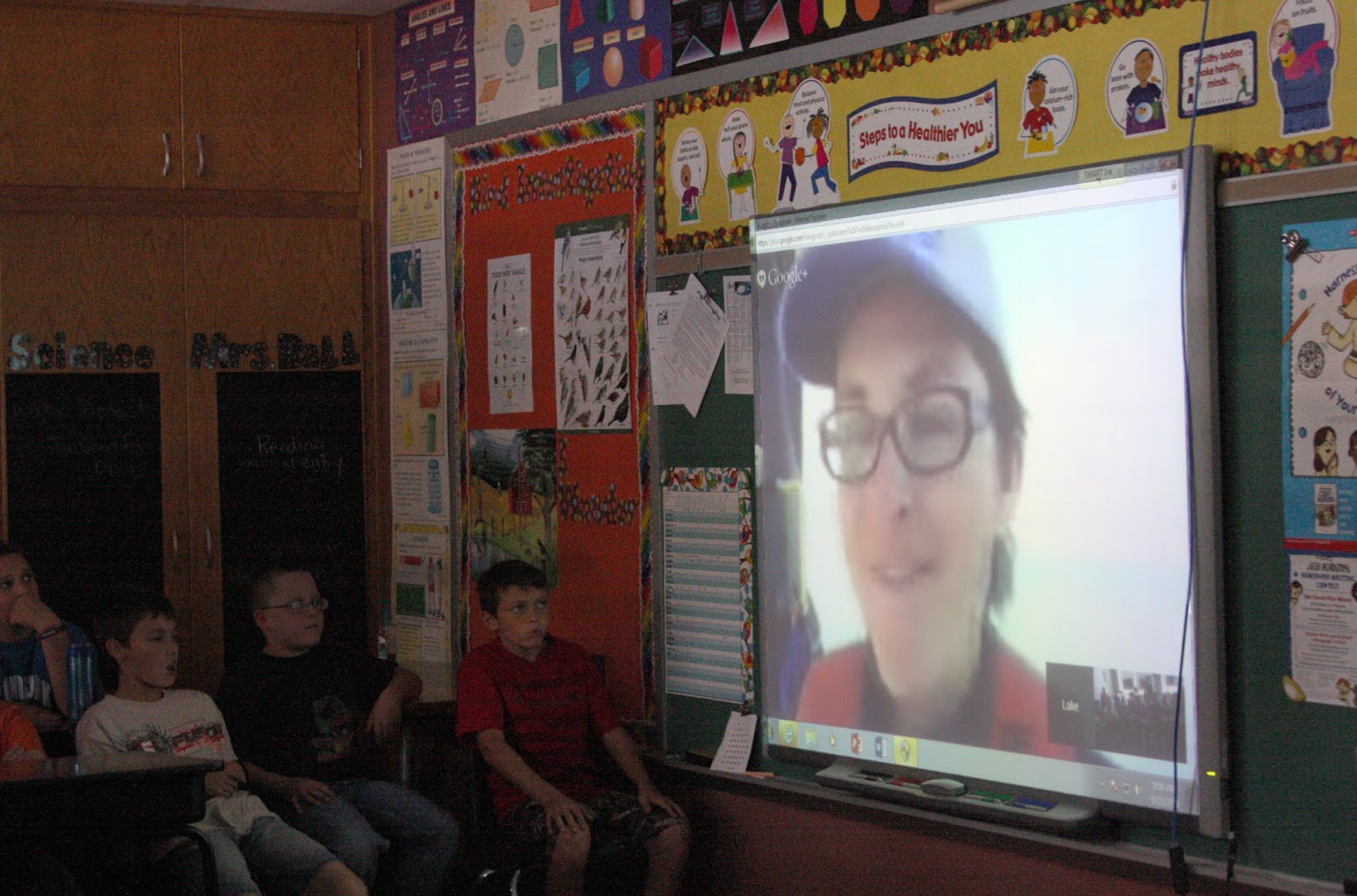 The tour started, of course, on the ship’s deck and quickly moved inside to the labs, where scientists took a break from processing samples to explain how studying bug populations helps researchers judge the health of aquatic ecosystems. From there it was on to the galley to see what’s for lunch and up to the bridge to chat with the captain.
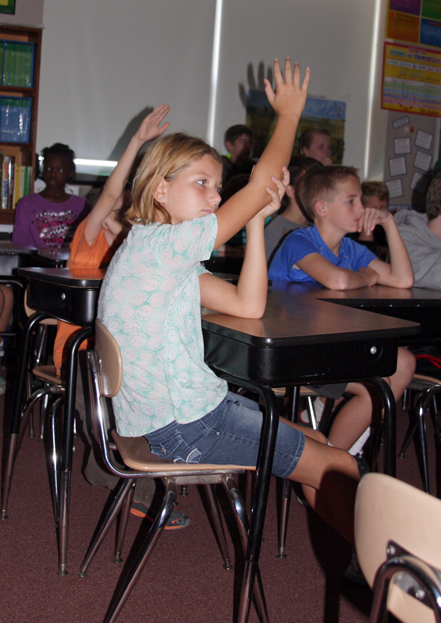
And the students had more than a few questions, particularly for the captain—Is it easy to drive the boat? How can you tell how deep the water is? Where does the Lake Guardian go?
Students also got a sneak peak at the type of equipment they will use later this year to collect data on water characteristics like dissolved oxygen, conductivity, and pH. Their teacher, Pamela Evans, is one of several scheduled to use the Hydrolab to make science class more hands-on this year.
The event ended after a jam-packed 30 minutes because another class was waiting on deck to take the tour. In fact, eight classes across the Great Lakes region got a first-hand look at the Lake Guardian this week. And this is just the beginning. The research vessel will soon dock for the winter, but video chats with EPA scientists will continue throughout the school year.
The video chats and equipment loan program are all part of efforts by IISG and the EPA Great Lakes National Program Office to boost Great Lakes education. Teachers were introduced to the programs, along with other classroom resources, during the annual Shipboard Science workshop.