 Sea Grant Illinois-Indiana
Education -archive
Education -archive
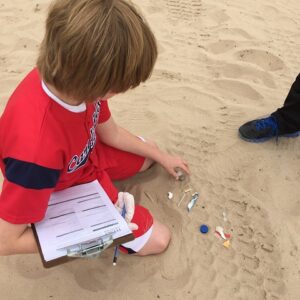 Lake Michigan sparks curiosity and can offer many cross-curricular connections. IISG can help you learn more about this amazing shared resource through activities, curriculum, professional learning, and stewardship project support. Explore the education resources and tools below to enhance your appreciation, understanding, and stewardship of southern Lake Michigan.
 Educator Resources
Center for Great Lakes Literacy
Illinois-Indiana Sea Grant collaborates with other Sea Grant educators through the Center for Great Lakes Literacy. The center’s goal is to develop a community of Great Lakes literate educators, students, scientists, environmental professionals, and citizen volunteers, dedicated to improved Great Lakes stewardship”.
Curriculum and Activities
Bring Great Lakes science to life with experiential learning. Our curriculum materials and activities focus on hands-on ways of exploring science concepts, environmental challenges, and stewardship through the lens of the Great Lakes.
Explorers
Use these tools to explore a curated list of external educational resources on the topics of weather and climate, pollution and nutrient losses in our waterways.
Learning at Home
Explore the Great Lakes from home with a curated list of online resources for educators, parents, and curious lifelong learners.
Loanable Kits
Borrow materials to provide hands-on learning for your students. Ready-to-use educational materials cover topics ranging from Great Lakes fisheries, invasive species, marine debris, plastic pollution and water quality.
Professional Learning
Find learning opportunities and stewardship support to bring the Great Lakes into your formal or non-formal classroom through professional development.
Students Ask Scientists
Connect your classroom with a research scientist who can illustrate concepts with real-world examples, expose your students to careers in science, and deepen their understanding and appreciation for the Great Lakes.
Recent News
- Illinois-Indiana Sea Grant announces 2026 Graduate Student Scholars
- IISG and Purdue FNR Remember Carolyn Foley, Names Great Lakes Research Award
- 2026 IISG interns explore the field of environmental science
- Educators become students at Great Lakes Project WET workshop
- Registration now open for the 2026 State of Lake Michigan Meeting
IISG Instagram

What does a career in natural resources look like?
This month, a group of 4-H youth joined us at Martell Forest to find out! From tree climbing and birding to creating scent traps and dissecting owl pellets, participants spent three days exploring the many ways people work with and protect our natural resources.
Thanks to everyone who joined us! We can’t wait to see where your adventures take you next!


What does it mean to be Great Lakes literate?
It’s understanding how the Great Lakes shape your life and how your choices impact the lakes.
To be Great Lakes literate is to understand, communicate, and care for these special freshwater resources. 💙
Learn more about Great Lakes Literacy by visiting the Center for Great Lakes Literacy’s website at the link in bio.
#TeachingTuesday

Happy Juneteenth from all of us at Illinois-Indiana Sea Grant!

Got a research idea for southern Lake Michigan?
IISG’s 2026 Seed Grant Research Competition is open. Up to $150,000 total funding for pilot studies that could become your next big project.
💵 $10,000 to $50,000 per project
⏰ Applications due August 17, 2026
Two info webinars coming up: July 2 and July 21.
🔗 Full details at the link in bio.

Categories
- Aquaculture
- Aquatic Invasive Species
- Buoys
- Climate Ready Communities
- Coastal Resilience
- Director's Blog
- Education
- Featured
- Fellowships
- Fisheries
- Funded Research
- Funding
- Great Lakes Cleanup
- Great Lakes Data
- Healthy Waters
- Internships
- Jobs
- K-12 Education
- News
- Photos
- Program
- Recreation & Tourism
- Resources
- Sea Grant Scholars
- Stormwater & Green Infrastructure
- Sustainable Community Planning
- The Helm
- Uncategorized
- Video
- Water Resource Economics