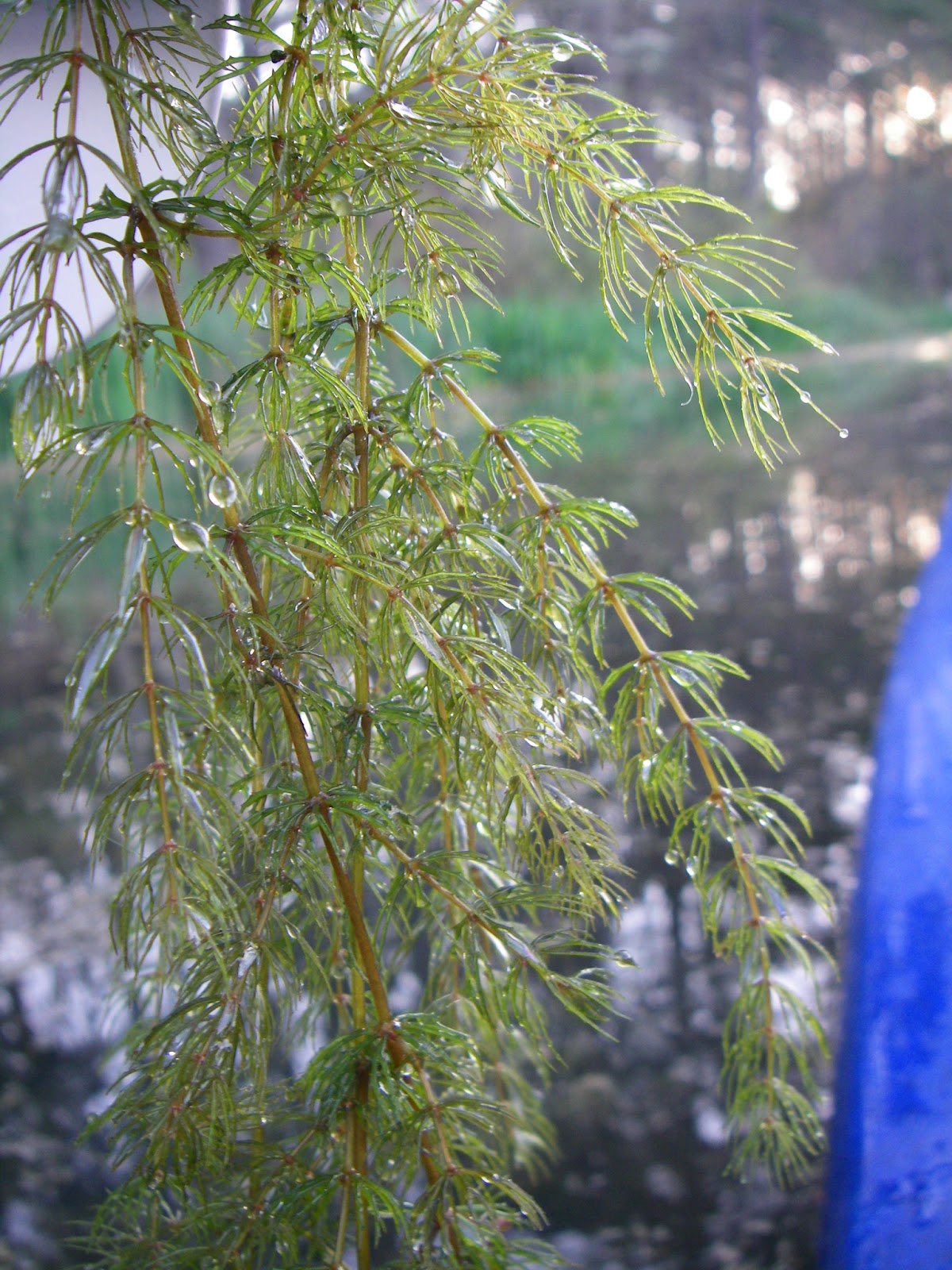
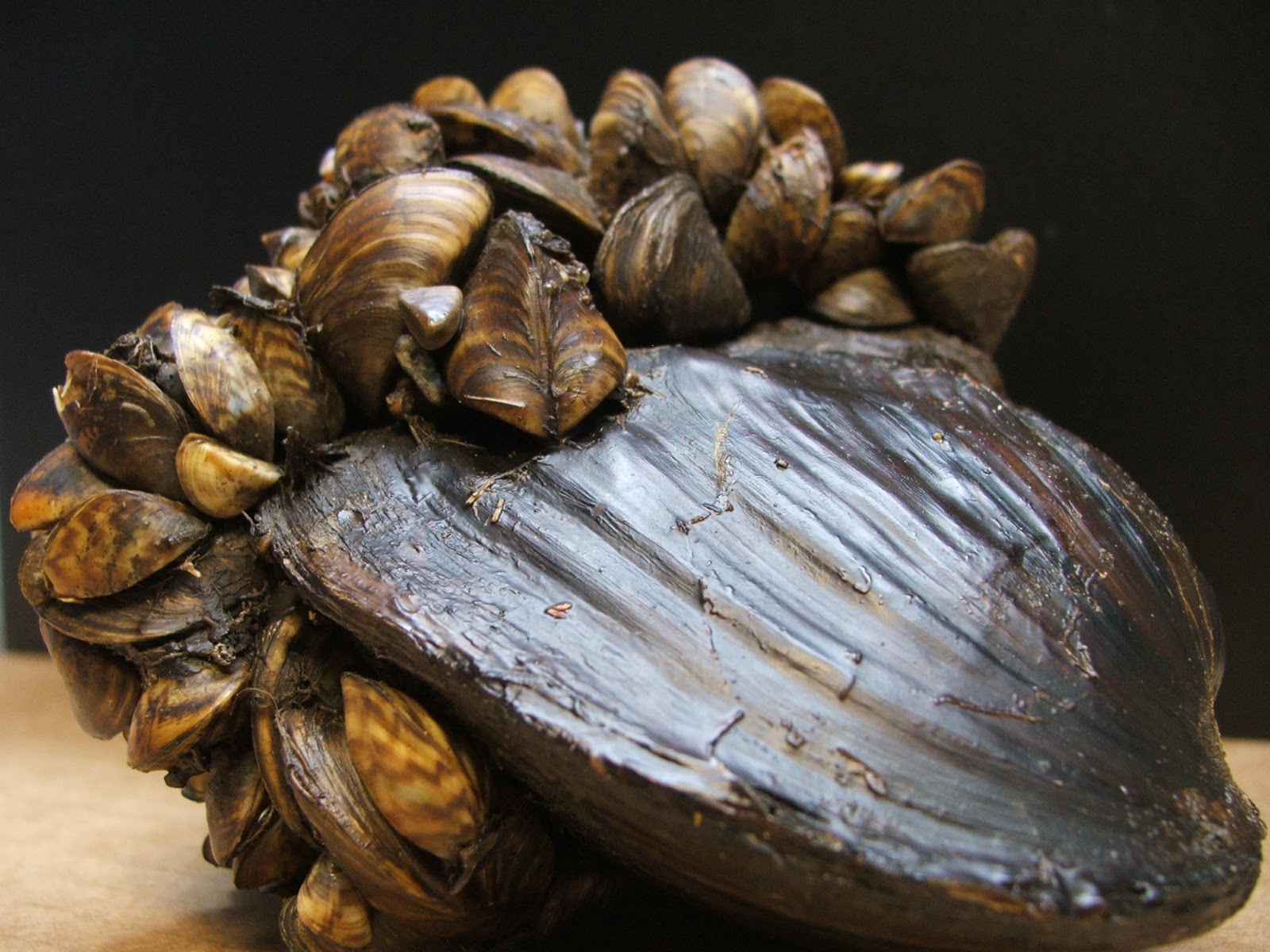
Illinois-Indiana Sea Grant’s Aquatic Invasive Species (AIS) outreach team was recognized along with many other collaborators in a NOAA Spotlight article for their work on the Great Lakes Risk Assessment Tools. This tool estimates the potential invasiveness of species being sold for use in trade and hobbies such as aquaculture, live bait, and water gardens etc. It provides insights for resources managers that may guide future policies with the goal of preventing the spread of invasive species. This is also a tool that hobbyists and people working in the trades can use proactively use to help choose less threatening species. IISG “will be talking with retailers, hobbyists, and water gardeners – going to shows and posting information in stores – about how they can use the risks assessments as a guide to get ahead of regulations and make responsible decisions now,” said Pat Charlebois, IISG AIS Coordinator.
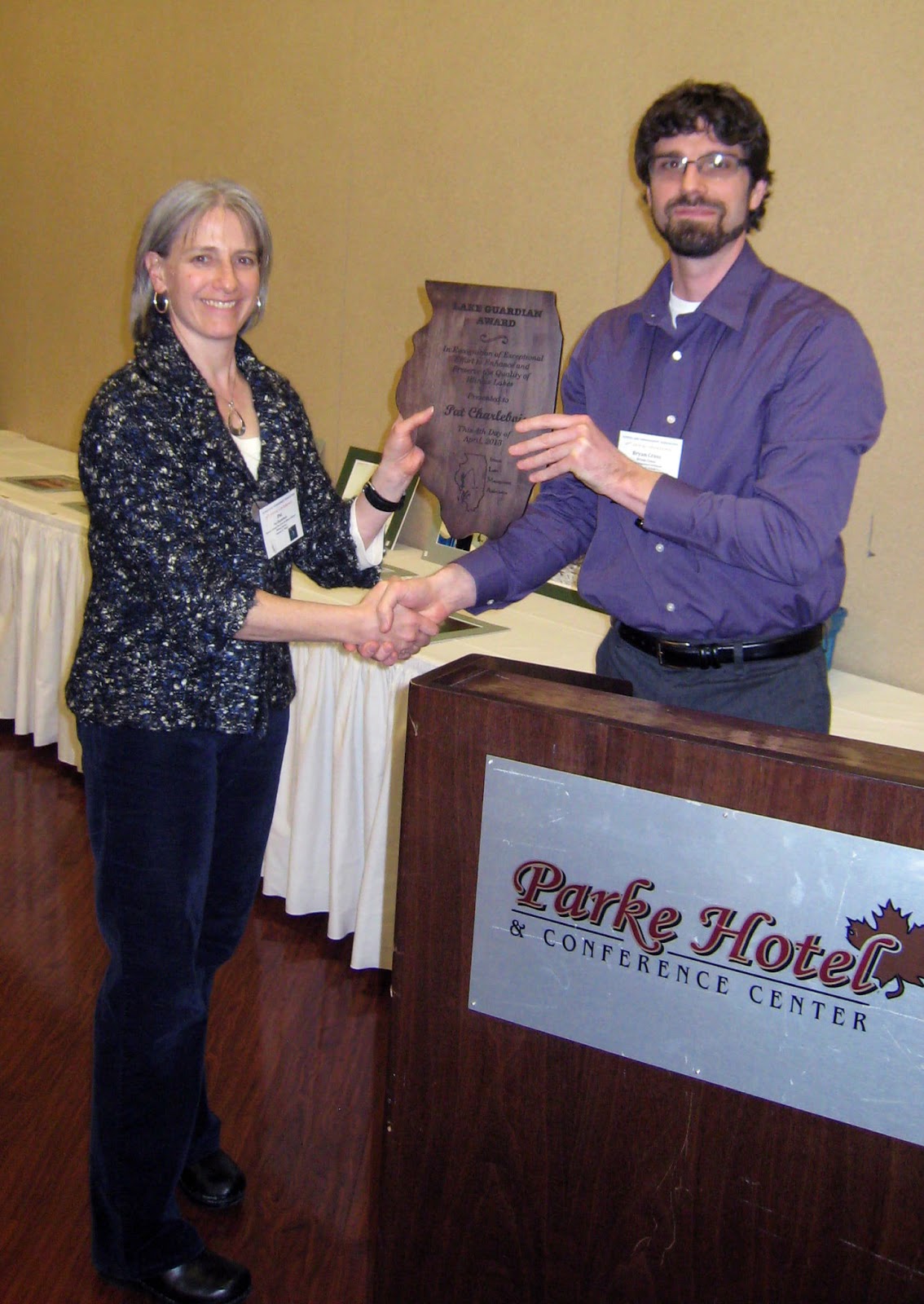
Each year the Illinois Lakes Management Association recognizes one outstanding professional or volunteer for their significant contributions to preserving and protecting the quality of Illinois lakes.
The Lake Guardian award, given annually, acknowledges each winner’s career-long efforts to ensure healthy lakes throughout the state of Illinois, and this year Illinois-Indiana Sea Grant’s Pat Charlebois was selected from among several nominees.
Pat’s work on outreach efforts to prevent the spread of aquatic invasive species is especially important to protecting Illinois’ waterways. The development of tools to inform boaters, anglers, and the general public about the dangers of these species, as well as best management practices and regulations, continue to be instrumental in protecting delicate ecosystems, and Pat has lead the way in these areas.
To learn more about our work on aquatic invasive species, visit our AIS page.
While parents, coaches, and friends gathered around to watch high school anglers show off their catch from a fishing tournament held early this week, IISG’s Sarah Zack was onsite to introduce competitors and on-lookers to simple practices that can prevent the spread of aquatic invasive species (AIS). Hosted by the Illini Bass Fishing Club, the event brought high school clubs from across Illinois to Clinton Lake on April 7 to see who could catch the most and the biggest bass. The tournament, one of few held at the high school level each year, gave IISG’s AIS outreach team an important opportunity to talk with young anglers about the threat of AIS to local waterways.
“Talking with the kids now plants that seed for future years,” said Brian Bevill, coach of the Illini Bluffs High School Bass Fishing Club.
During the few hours that IISG was onsite at Clinton Lake, Sarah talked with dozens of anglers and boaters from across Illinois. Frequent announcements from the tournament emcee also reminded the audience of the negative impacts AIS can have on the health of aquatic environments. Many of the people who visited the IISG booth had heard about Asian carp. But fewer people knew about the need to remove, drain, and dry all equipment after a day on the water. Most were also interested in learning about a new Illinois law that makes it illegal to drive with plants or mud still clinging to boats and trailers.
This High School Open is one of many fishing tournaments IISG’s AIS outreach team plans to attend this year in both Illinois and Indiana. This season especially, the team hopes to reach out to more amateur and semi-professional anglers with information about how they can prevent the spread of invasive species.
“These anglers want to make sure they’re doing their part to prevent the spread of AIS because they know that is an important part of preserving the sport of fishing for the future,” said Sarah. “It is encouraging that the message is being embraced. I was especially excited to work with the Illini Bass Fishing Club because of their commitment to AIS prevention.”
“We started this because we wanted to show kids in high school that if they care about fishing enough, and work hard enough, they can take it somewhere,” said Luke Stoner, executive administrator for the club. “What we really like to see are smiling faces and big old bass.”
This year, 134 students fought to catch the most and biggest fish. For many of the teams, the tournament marked their first day on the water this season. But after months of casting practice and learning how to “flip and pitch” the lure to trick the bass into biting, the student anglers were prepared.
Three teams brought in bags of fish weighing more than 17 lbs, and three fish came in at over 6 lbs. Their successes at this event will help students qualify to compete in sectional and state competitions slated for later this year.
“The competition in fishing is unlike any other sport,” said Kyle Sweet, a senior at Illini Bluffs High School in Glasford, IL. “In football, for example, you only play one other team at a time. Here we are competing with 67 teams and the fish at the same time.”
The Illinois Department of Natural Resources continues to explore every option to keep Asian carp from entering Lake Michigan, and one of the latest efforts involves distributing new fishing nets.
From The Daily Northwestern:
“In an effort to keep the lake clean, IDNR recently placed orders for brand new fishing nets, which will be distributed to visiting commercial fishermen who may be carrying carp residue beyond the barrier. IDNR often invites commercial fishermen into Lake Michigan so they can catch invasive species, Irons said. But their net residue may be causing inaccurate eDNA tests and ultimately reducing the IDNR’s ability to combat carp invasion.
The new nets will be distributed to fishermen before they cross the electric barrier and are guaranteed to be carp free, Irons said. IDNR is also discussing new methods of cleaning and bleaching fishing boats to reduce the presence of carp slime. Irons cites collaboration with the ACRCC as a huge factor in the ongoing fight against carp.”
Follow the link above for the full story about these and other efforts.
Researchers, several agencies, and a variety of industries have grown increasingly concerned that Asian carp DNA recently found in Lake Erie points to the presence of the highly invasive species.
From the Toronto Star:
“‘There are other explanations … for how the DNA could have got there,’ said Lodge. ‘They are possible, but not plausible.’
 According to Notre Dame’s Center for Aquatic Conservation, plants and animals shed cellular material (like traces of DNA) into their surrounding environment, and this material can be collected and analyzed. Environmental DNA extracted from water samples can be used to determine if a target species has been in the vicinity.
If toxic blue-green algae are the biggest threat to the lake’s survival, Asian carp are a close second.
Asian carp are a group of highly invasive bottom feeders that have infiltrated the waterways of the American Midwest. The fear is they could disrupt Lake Erie’s ecology if they increase to large numbers.”
Genetic mapping of sea lamprey DNA may provide researchers some insight into controlling the invasive species, and may even lead to human health benefits.
From the Great Lakes Echo:
“Sea lamprey – unlike the silver and American brook species – come from the Atlantic Ocean, accidentally introduced to the Great Lakes through shipping canals.
Like the native silver lamprey, sea lamprey are parasitic, with sharp teeth and a sucking disc mouth that allows them to feed on the blood of host fish. Also like the silver lamprey, they are harmless in their early stages of development.
Sea lamprey spend the first four years of their life as larvae in the soft bottom and banks of lakes or streams, according to the New York Department of Environmental Conservation.
As they mature, they change into the harmful predator threatening the Great Lakes today, said Yu-Weng Chung-Davidson, a senior research associate on Li’s team.”
Follow the link above to read the complete article.
Phragmites Australis, also know as the Common Reed, is a wetland plant that is not native to the Great Lakes. The invasive plant grows and spreads rapidly in the wetlands around the Lakes, and as a result can crowd out native plants that are beneficial to the local ecosystems.
Researchers at Michigan Tech are working on mapping the spread of the plant, though, in an effort to better understand its spread and plan for managing and reducing it.
From Upper Peninsula’s Second Wave:
“The common reed, or phragmites australis, isn’t native to the Great Lakes, but grows quickly in our climate conditions into large, tall stands that can threaten wetlands habitat.
The plant hasn’t been studied very much, or mapped, which was the goal of the Tech scientists, in cooperation with the U.S. Geological Survey, Boston College and the U.S. Fish and Wildlife Service. Together, teams first mapped the U.S. coastlines of all five Great Lakes using satellites.
Then, they did field studies along the coastlines to confirm the satellite findings, and plot the locations of large stands of the reed, in a first-of-its-kind map.”
Read more about the map at the link above and in the article at Science Daily.
The folks at Wildlife Forever have teamed up with several partners including the North American Fishing Club to produce a series of television programs about aquatic invasive species that are threatening our waters.
Episode three of “Silent Invaders” offers an up-close and informative look at Asian carp, just one of several species that has either taken hold in our waterways or is threatening to spread and cause significant changes to important ecosystems.
You can watch the entire episode online here, as well as episodes providing information about Zebra and Quagga mussels and round Gobies.