As the 2014 Knauss season wraps up, IISG-sponsored graduate student Sara Paver wrote in to update us on her work at National Science Foundation Division of Ocean Sciences since we last heard from her in July.
The last few months have been a whirlwind of activity. In my placement as a Knauss Fellow in the Division of Ocean Sciences at the National Science Foundation, I have continued working with the Coastal Science, Engineering, and Education for Sustainability (Coastal SEES) working group and the Biological Oceanography Program. I am currently leading the efforts of the working group to organize and plan the Coastal SEES Principal Investigators’ Meeting, which will be held January 29-30, 2015. I am looking forward to meeting the 2013 and 2014 Coastal SEES awardees and hearing about the exciting work they are doing to make progress on coastal sustainability issues.
The last few months have been a whirlwind of activity. In my placement as a Knauss Fellow in the Division of Ocean Sciences at the National Science Foundation, I have continued working with the Coastal Science, Engineering, and Education for Sustainability (Coastal SEES) working group and the Biological Oceanography Program. I am currently leading the efforts of the working group to organize and plan the Coastal SEES Principal Investigators’ Meeting, which will be held January 29-30, 2015. I am looking forward to meeting the 2013 and 2014 Coastal SEES awardees and hearing about the exciting work they are doing to make progress on coastal sustainability issues.
As part of my work with the Biological Oceanography Program, I have been helping manage the review of five grant proposals. I am currently writing analyses that summarize the reviewers’ feedback and explain whether or not the proposal is being recommended for an award.
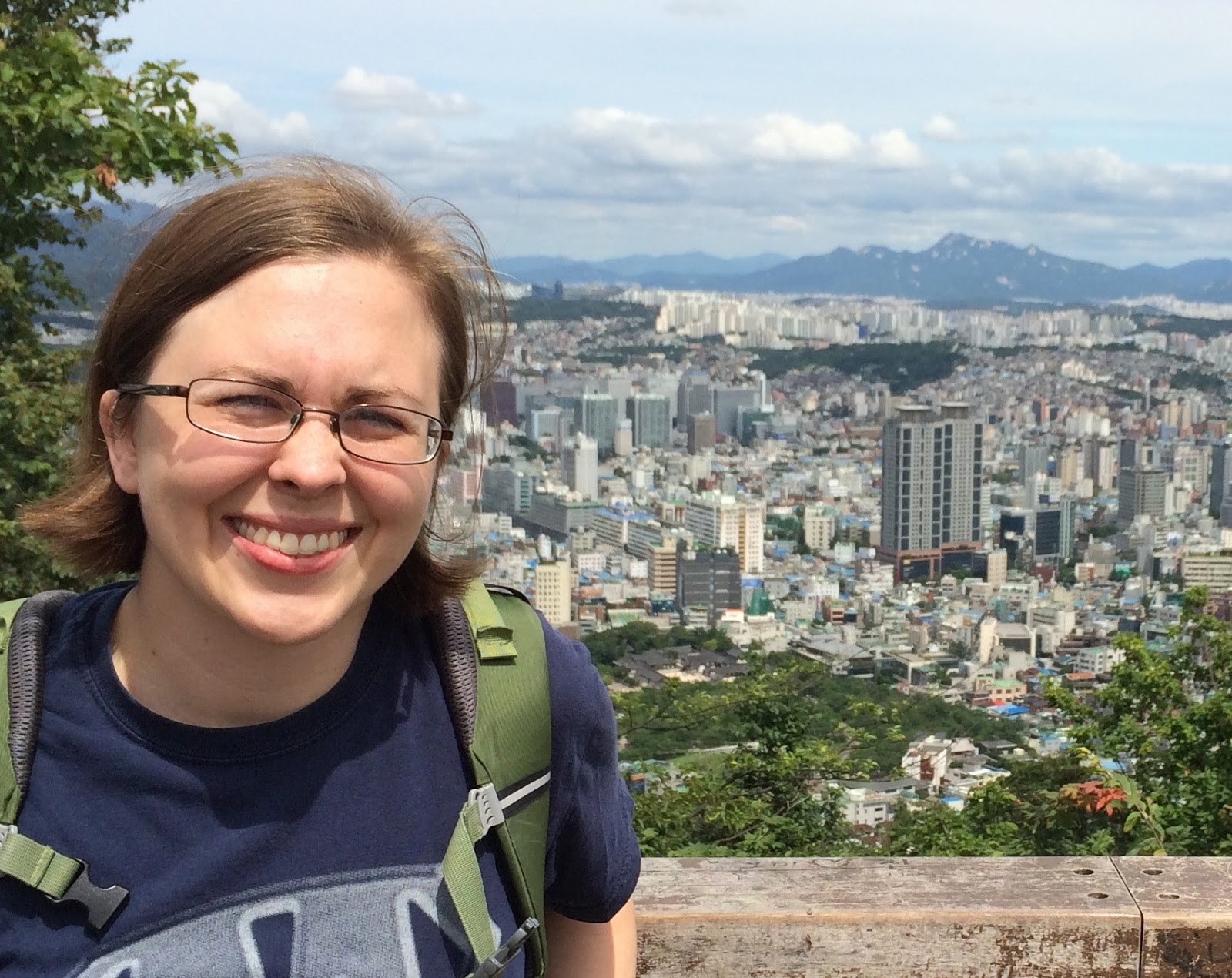
In addition to the work I’ve been doing at NSF headquarters in Arlington, VA, I have had the opportunity to participate in valuable professional development opportunities. I presented my dissertation research at the International Society for Microbial Ecology meeting in Seoul, South Korea. I also participated in the Explorations in Data Analyses for Metagenomic Advances in Microbial Ecology Workshop at Kellogg Biological Station in Hickory Corners, MI. Ashley Shade, Tracy Teal, and Josh Herr put together an excellent week of learning modules, lectures, and guest speakers. My favorite highlight—out of many—was the question and answer session we had with Jim Tiedje.
Most recently, I traveled to Hawaii to participate in the Ecological Dissertations in the Aquatic Sciences (Eco-DAS) Workshop at the Center for Microbial Oceanography: Research and Education. It was a wonderful opportunity to meet peers who, like me, have recently finished a Ph.D. or will be finishing very soon. As a result of participating in Eco-DAS, I am working on two collaborative manuscripts. It was a great week to get excited about science and collaboration.
The best part of my fellowship has been all of the connections that I have made with people, including my colleagues at NSF, the other fellows, people in the Illinois-Indiana Sea Grant Office, individuals that I interacted with during Knauss placement weeks and Knauss professional development activities, researchers serving on NSF panels and giving presentations at NSF, and people I interacted with at the workshops and conferences I attended. The opportunity to be a Knauss Fellow has broadened my perspective on many things, including available career paths. I might consider coming back to NSF as a rotating program officer in the future. In the near term, I plan to return to an academic setting in a postdoctoral research position.
Please visit our fellowship page for more information, or contact Angela Archer at amcbride@purdue.edu.