
Category:

In the news: Cool water forecast for some 4th of July swims

July 3rd, 2013 by
If you’re headed out to enjoy the weather and the outdoors this holiday weekend, you may want to balance swim time with some time on the beach as water temperatures look to be below average in some areas of Lake Michigan
 
“In contrast to air temperatures forecast in the 80s, Lake Michigan water won’t warm up in time for the Thursday holiday, according to the National Weather Service office in Grand Rapids.
 
Water temperatures in Lake Michigan are 10 to 15 degrees colder than they were this time in 2012 and 5 to 10 degrees colder than they were in 2011, according to meteorologist Evan Webb. He said it’s a product of the cool spring this year.”
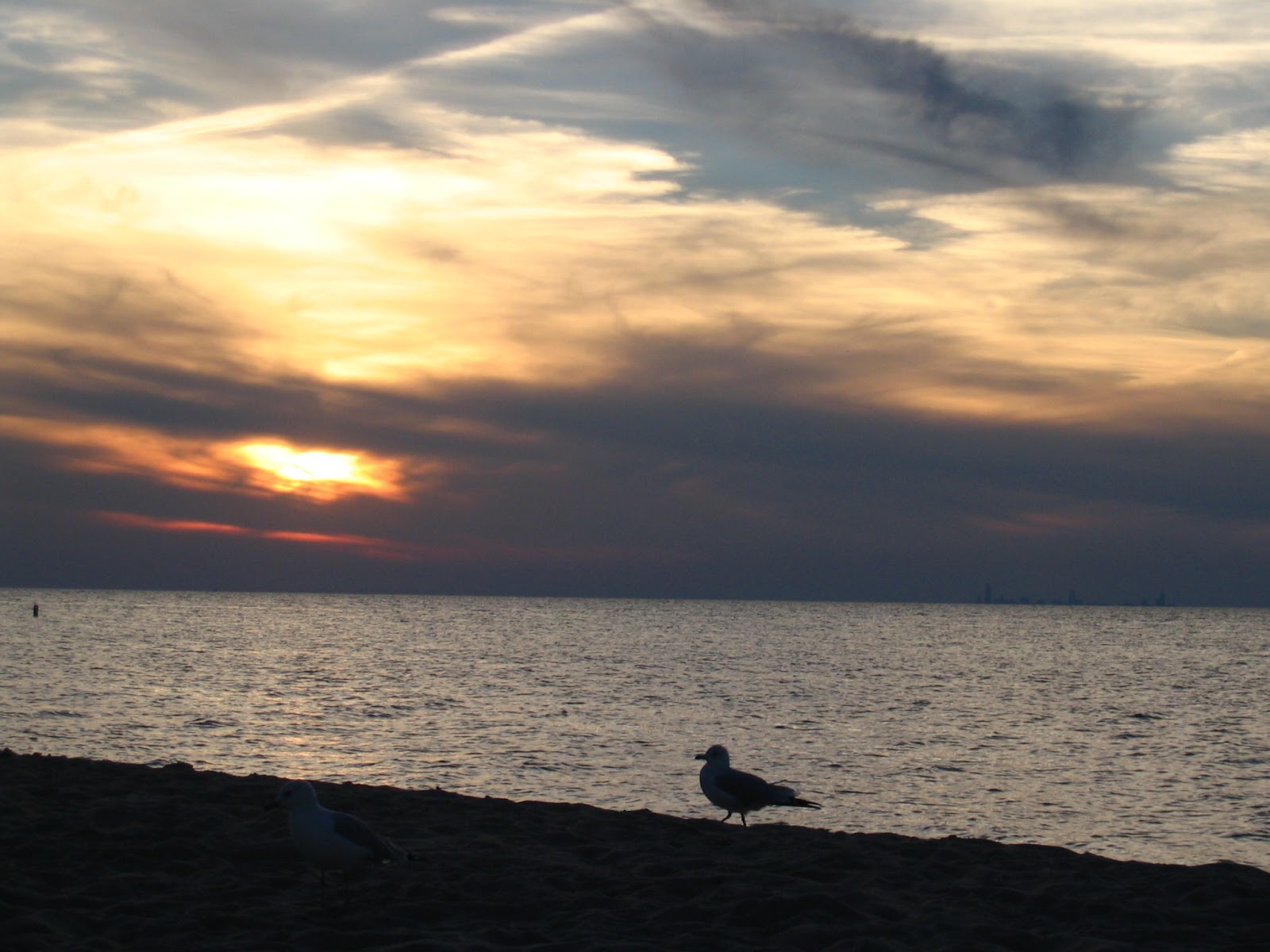
Water temperatures may be warmer or cooler at other points on the lake, and there are a number of sites to keep up to date on the conditions. If you’re planning to spend your time near the waters around Michigan City, Indiana, for instance, you can get current and recent nearshore conditions from the buoy operated by Purdue University and Illinois-Indiana Sea Grant
 
However you spend time this holiday weekend, enjoy the sights and scenery safely.

IISG Instagram

🌊 Save the Date! 🌊Shipboard Science Immersion 2026Join the Center for Great Lakes Literacy aboard the R/V Lake Guardian on Lake Superior, July 7–14, 2026!✅ Open to formal & nonformal educators (grades 5–12) across the Great Lakes region.📅 Applications open January 2026Learn more: https://cgll.org/signature-program/r-v-lake-guardian-shipboard-science-immersion/ or the link in bio.#TeachingTuesday
Join the Invasive Crayfish Collaborative for an exciting webinar featuring Dr. Chris Taylor from the Illinois Natural History Survey who will provide an overview of midwestern crayfish habitat requirements, feeding, reproductive biology, and life-history.Crayfishes in the Midwest occupy almost every type of aquatic and semi-aquatic habitat in the region. They function as critically important components of those ecosystems and in many cases represent a majority of invertebrate biomass. As “keystone” species, understanding their biology and roles in ecosystems is critically important. Register for the webinar at InvasiveCrayfish.org/events1 Or the link in bio.
