
Category:

IISG summer intern continues working on Great Lakes issues

May 3rd, 2013 by
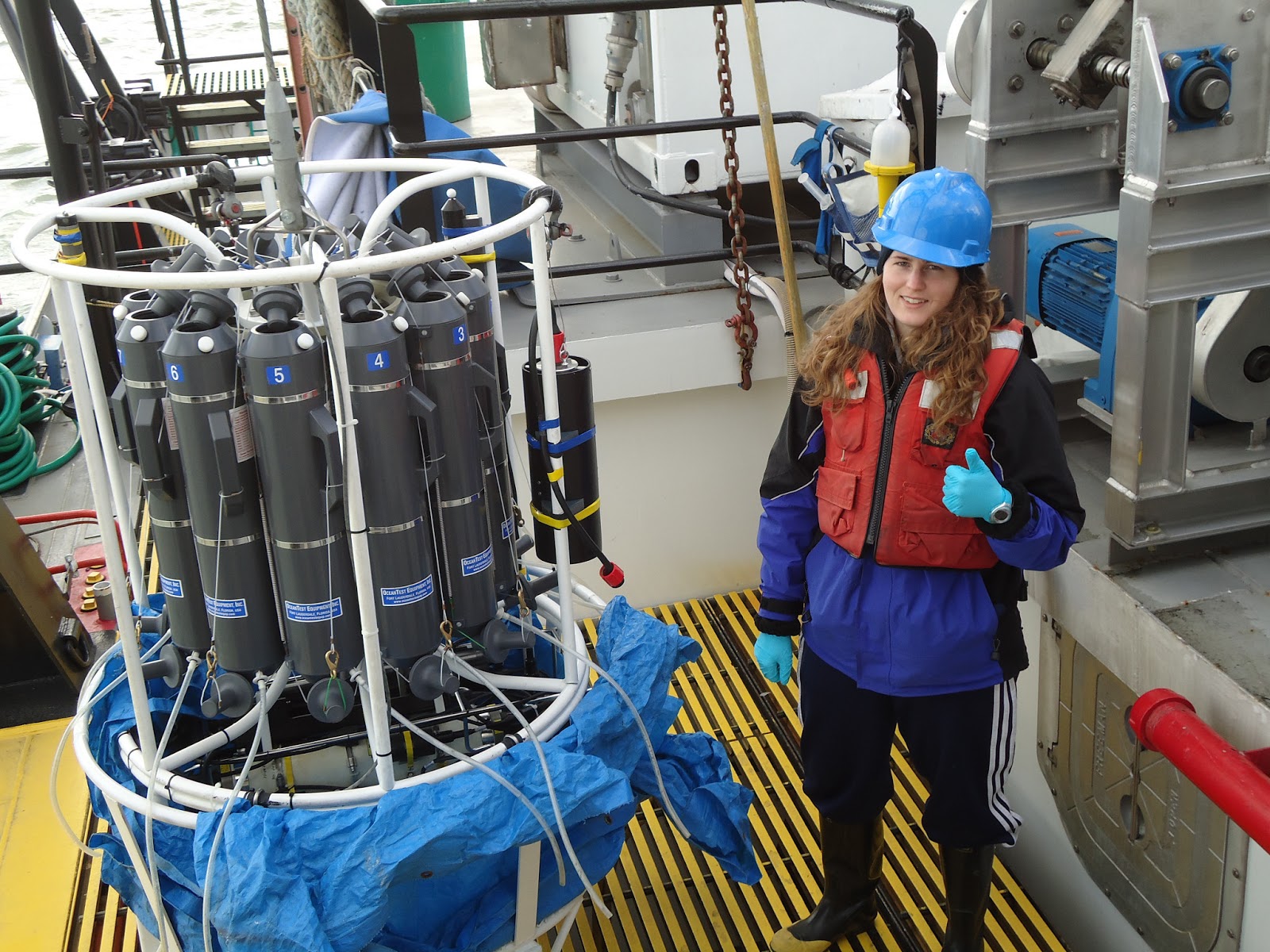
Meredith Brackett, one of Illinois-Indiana Sea Grant’s interns this past summer, has continued her work on Great Lakes issues by starting a position at Oak Ridge Institute of Science and Education. She wrote in to tell us a little bit about her summer internship experience working with IISG’s Paris Collingsworth, and how the experience led her to find and pursue work related to the Great Lakes. 
 

“This past summer I was lucky enough to intern with the Illinois Indiana Sea Grant and rediscovered my love of marine sciences. My internship taught me a great deal about freshwater ecosystems and problems that are occurring in the Great Lakes. I was able to learn so much about the Great Lakes ecosystems, limnological studies, and nutrient levels, and I gained hands on experience working on the US EPA R/V Lake Guardian research vessel collecting nutrient and biological samples. The internship also allowed me to work at the Illinois State Fair and educate the public about the many issues facing the Great Lakes. It was a great feeling to spread the word about how we can all make a change in our behavior so that we can make a difference in our environment! I am currently interning with Oak Ridge Institute of Science and Education (ORISE) and continuing to work on Great Lakes projects and take samples from the Great Lakes on the US EPA R/V Lake Guardian. The Illinois Indiana Sea Grant internship really helped further my contacts in the industry by networking and meeting people working in different areas of the Great Lakes. Illinois Indiana Sea Grant really opened my eyes to a whole new field and career opportunities. I cannot thank them enough!”

 
Illinois-Indiana Sea Grant is committed to giving students opportunities to gain real experience in marine sciences and Great Lakes issues. For updated information on fellowship and internship positions, visit our fellowship page regularly.

IISG Instagram

Managers and researchers can be faced with a need to classify the risk of new crayfish invaders. Rapid assessment tools, such as the Science-based Tools for Assessing Invasion Risk (STAIR), can assist in this process by providing a streamlined framework for analysis and decision-making.Join us for an ICC webinar with John Bieber from Loyola University Chicago to learn how rapid assessment tools are used to classify invasive species risk and how STAIR can support invasive crayfish management.Learn more at the link in bio.
Explore the history, impact, and educational power of Meaningful Watershed Educational Experiences (MWEEs).eeLEARN: MWEE 101 is a free, self-paced online course that walks you through the MWEE framework with examples, planning tools, and downloadable resources that you can use immediately.Start learning today at the link in bio.
Some partnerships just make sense. Happy Valentine’s Day from IISG! 💕