
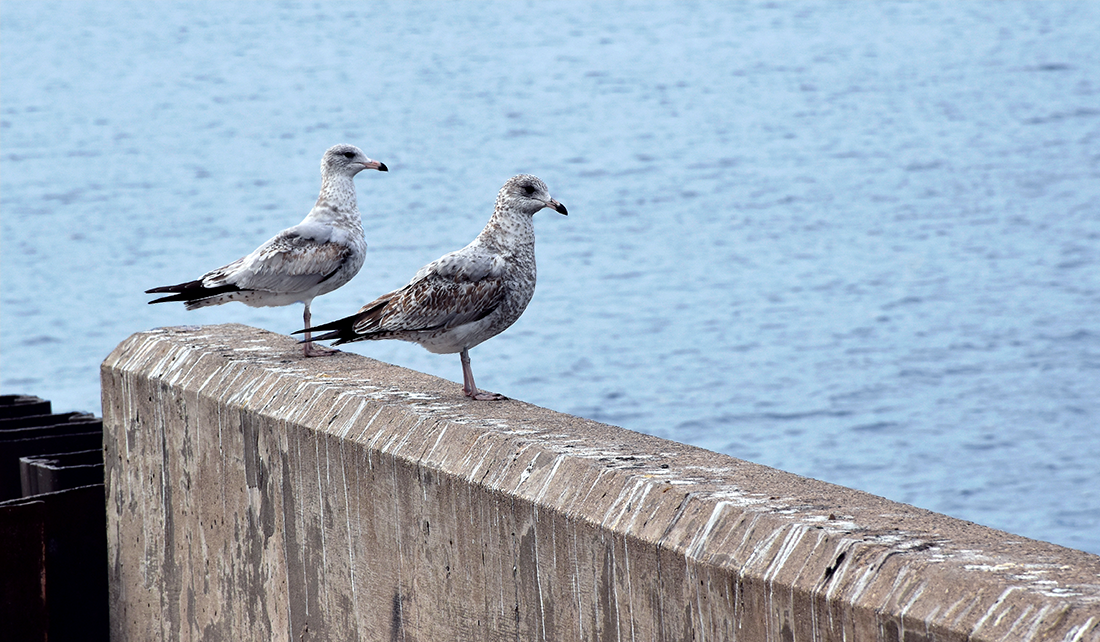
gulls sitting on ledge near Lake Michigan

Deadline: May 19, 2022

As part of our strategic planning process, the Illinois-Indiana Sea Grant College Program wants to hear from you—our stakeholders. We are especially interested in learning about your experiences with our outreach, education, and research programs. Maybe you have participated in an IISG-hosted event, read one of our publications or listened to a podcast, borrowed our equipment for your classroom, accessed our buoy data, used our website, or learned about the research we fund. Whatever the case may be, we’d like to hear from you. Your feedback will help us refine our goals, strategies, and work plans as we develop our 2024-2027 Strategic Plan and future proposals.

Please send feedback to iisg@purdue.edu by May 19, 2022.

Thank you for your time and input!


Illinois-Indiana Sea Grant is a part of University of Illinois Extension and Purdue Extension.

IISG Instagram

Find us at Chicago Comic & Entertainment Expo, March 27–29! We’re linking Subnautica with Great Lakes science through fun, hands‑on activities about food webs, invasive species, and aquaponics.Come geek out with us! 🔗 in bio for event info
Coastal protection is not limited to concrete, rocks, and steel. Coastal protection solutions exist on a spectrum, ranging from softer “green” solutions to harder “gray” structures.Nature-based coastal solutions fall between green and gray techniques, providing multiple benefits to people and habitats.Our three-part video series, Nature-Based Coastal Solutions in the Great Lakes, is now available to watch. Learn how nature-based coastal solutions, including nature-driven and hybrid approaches, can protect shorelines while supporting ecosystems and communities.Watch the 3-part video series at the link in bio.(Photo credit: Liz Spitzer, Illinois State Geological Survey, Coastal Research Group)
Managers and researchers can be faced with a need to classify the risk of new crayfish invaders. Rapid assessment tools, such as the Science-based Tools for Assessing Invasion Risk (STAIR), can assist in this process by providing a streamlined framework for analysis and decision-making.Join us for an ICC webinar with John Bieber from Loyola University Chicago to learn how rapid assessment tools are used to classify invasive species risk and how STAIR can support invasive crayfish management.Learn more at the link in bio.