
Lincoln Park and I are both coming to the end of an exciting chapter this fall. As my internship with

IISG comes to a close, Phase 2 sediment remediation work in in Lincoln Park in Milwaukee is also finishing up.
Four years and more than 170,000 cubic yards of contaminated sediment later, Lincoln Park is looking to reap the benefits of the newly cleaned Milwaukee River. As contractors work to remove equipment, sediment samples are being taken to ensure no contamination has been missed.
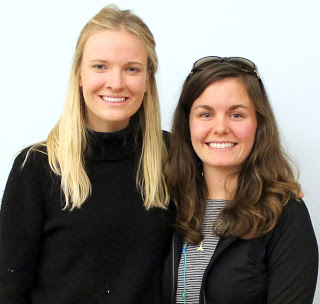
To commemorate this truly historic milestone, IISG environmental social scientist Caitie Nigrelli and I traveled to Milwaukee to spend some time on the river and celebrate the success with our clean-up partners. Hospitable as usual, Friends of Lincoln Park members took us around the city allowing us to catch a glimpse of the possibilities that environmental reinvestment holds for community revitalization.
Within the park, we took advantage of the warm fall weather for a canoe trip through the remediated portion of the river. As we paddled, perennial grasses and beaver-cut branches secluded us from Lincoln Park’s urban setting. We were not the only ones out experiencing the newly restored park; kill-deer, great blue herons, and other wildlife were also enjoying a clean habitat.
Although remediation work is complete, there is still much to be done within the park. Much like sediment remediation, successful ecosystem restoration is a long process. Started in 2012, the 11-acre Phase 1 restoration work is finally showing the fruits of its labor.
 Many bees could be seen buzzing around native asters (see photo) and goldenrod on the shoreline at the west end of the park. Like Phase 1, restoration work in the East Oxbow of the river will bring a diversity of native plant species, stabilize the shoreline, and provide habitat for fish and wildlife.
After watching the sun set over the river, Caitie and I completed our day at the Friends of Lincoln Park restoration celebration. Over cake and ice cream, representatives from the Milwaukee County Parks and CH2M, an environmental consulting company, presented information on the remediation and restoration progress.
The neighborhood unity fostered through this river cleanup is impressive. As a new chapter begins for the river, park, and neighbors alike, seeds of passion and park investment are spreading, akin to the native seeds of restoration to come.
For more information on the cleanup of Lincoln Park, visit www.greatlakesmud.org.
-Carly Norris