Posted December 12th, 2014 in Fellowships, Program
The two IISG-sponsored Knauss Fellows selected for 2015 recently returned from D.C., where they met with other fellows, interviewed with government agencies and offices, and learned where they spend the next year working on water resource and environmental issues. Rachel Gentile, who is completing a PhD in Biological Sciences at Notre Dame, shares her experiences.
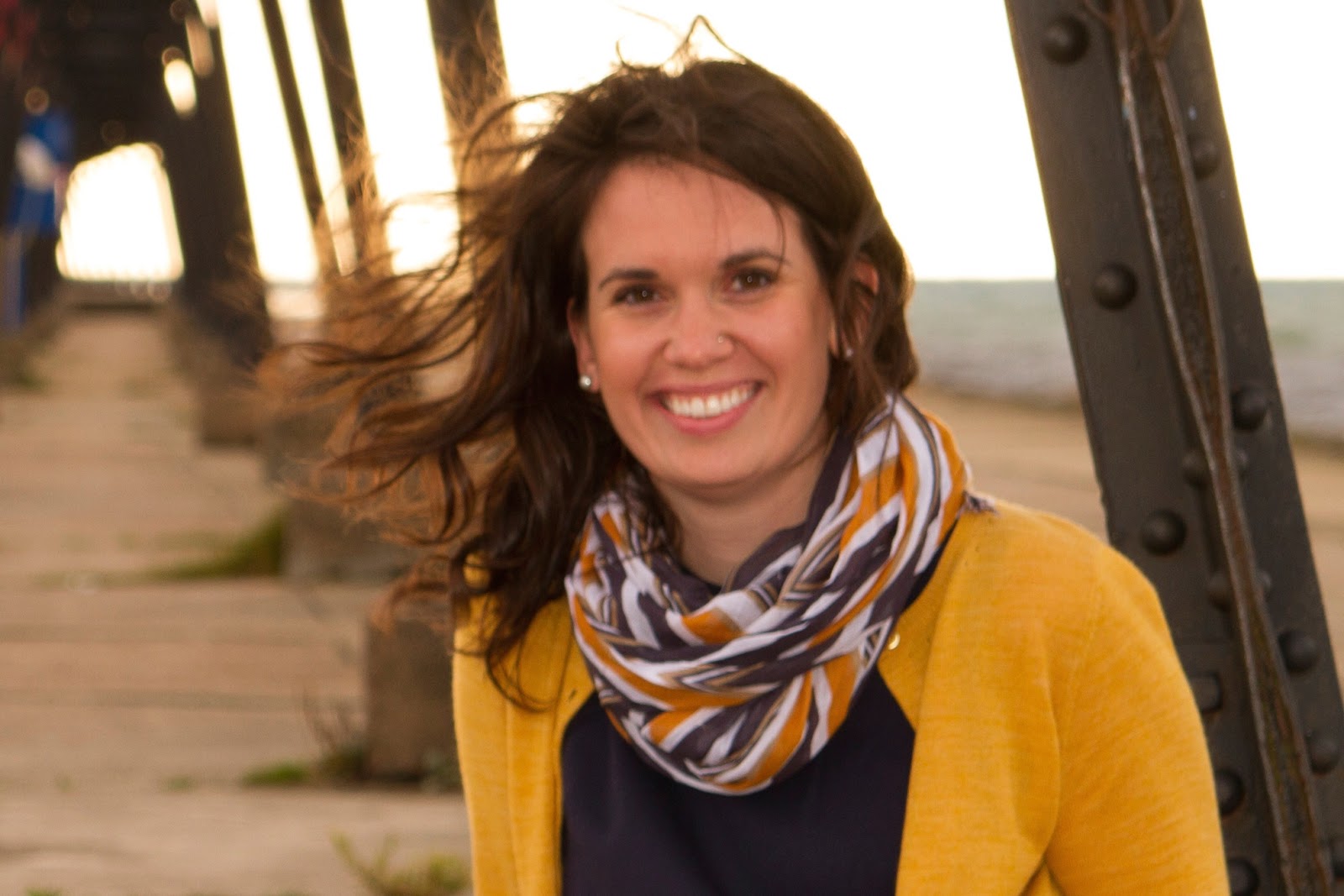 My placement is in the office of Rep. Alan Lowenthal (CA-47). I will be assisting with his marine policy portfolio and will also be directing the House Safe Climate Caucus. This means I will be managing the activities of the caucus and assisting with floor speeches, op-eds, and short videos to promote climate change awareness in the House of Representatives. I applied to the Knauss Sea Grant Fellowship because I wanted to assist with discussions concerning marine and climate issues on Capitol Hill, so this placement in Rep. Lowenthal’s office is a dream come true!
Placement week was a whirlwind of excitement for me. I thoroughly enjoyed meeting the other finalists, Knauss alumni, and the legislative hosts. I also learned a lot about the legislative process and my future role as a Knauss Fellow.
At the beginning of the week, we attended a series of lectures facilitated by the Congressional Research Service (CRS) and the Library of Congress. We learned how politics, policy, and procedure come together inside the walls of congress to pass—and fail—bills. We were introduced to CRS subject librarians and research specialists in marine, climate, and energy policy who will be incredibly helpful to us as we research these issues and write memos, talking points, floor speeches, and legislation.
Most of the week was spent in interviews with the host offices. I interviewed in 17 different offices over three days. I loved hearing about the work each office was doing. Many hosts talked about fisheries, marine national monuments, climate change adaptation, water and drought issues, and ocean acidification. There are many marine policy issues currently being addressed in congress, and as a Knauss Fellow, I will assist my host office with them.