
Our education team is at it again! Allison Neubauer wrote in with this exciting announcement: 

Teachers across the Great Lakes region—have we got a treat for you! You can now explore creative projects from all-star educators to spark new ideas and read important tips for getting your students involved in the effort to “nab” local aquatic invaders.
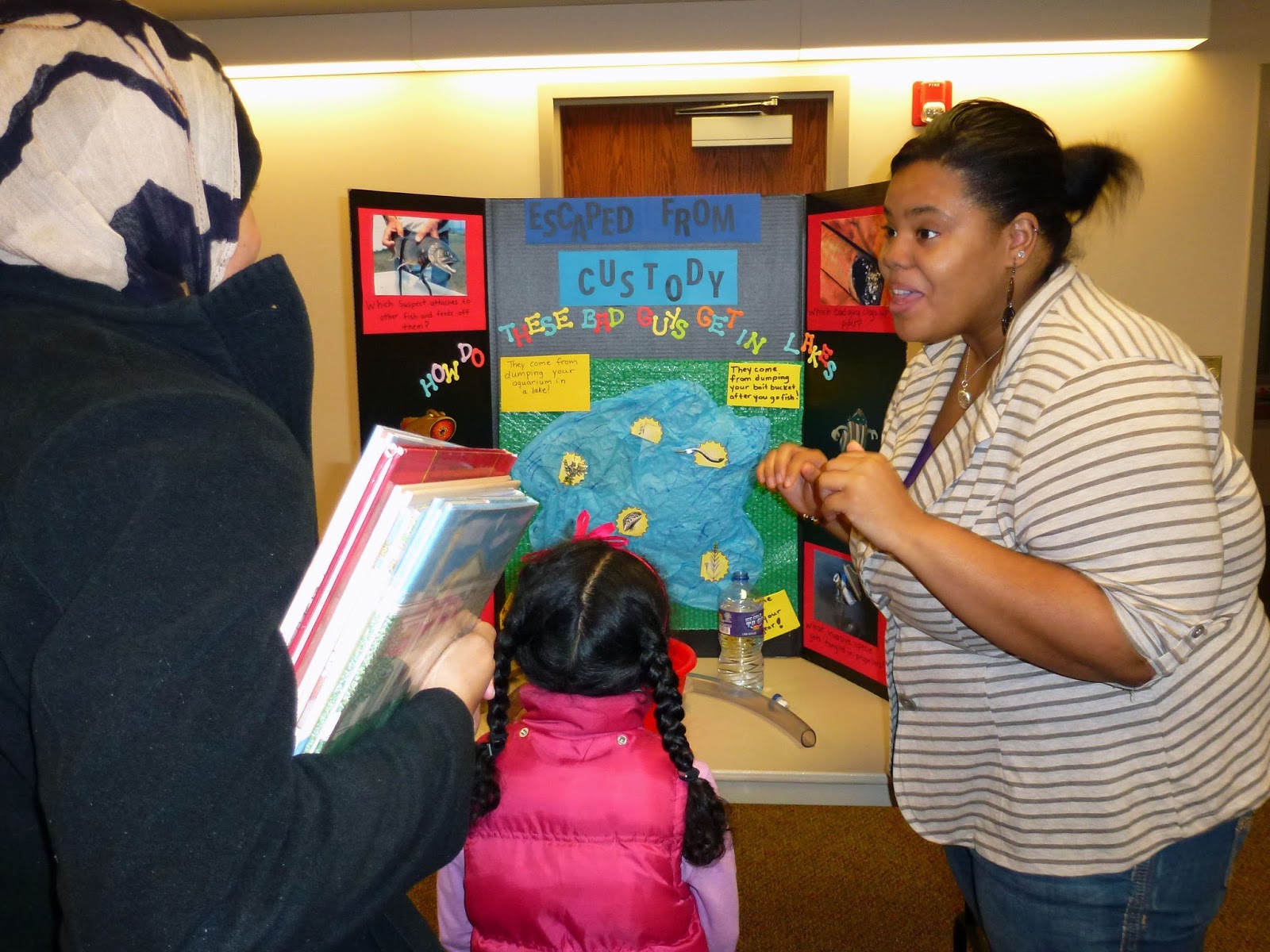
 
The IISG education team has been working hard to compile model projects that successfully tie together AIS education and community stewardship. Our revamped Nab the Aquatic Invader! website will help you up your game—and the new-and-improved Top Desk Administrator is your one-stop-shop for project ideas.
 

Community stewardship projects like the ones highlighted here are an exceptional tool for pushing students beyond rote memorization and providing them with an opportunity to apply their knowledge in ways that have positive impacts on their communities.


Preview outstanding examples of student work, ranging from fun informational activity books to catchy musical compilations. When you’re done perusing, read the summary reports written by the teachers responsible for these successful activities for information on how to plan and implement similar projects in your own classroom.
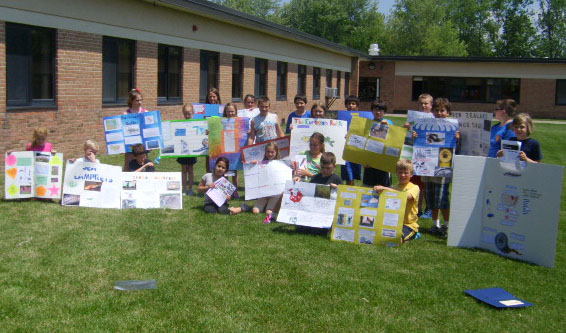
The Nab the Aquatic Invader! website is the place for the latest and greatest invasive species project models, information, and activities. 
IISG Instagram

There’s still time to register! Educators are invited to join the Great Lakes Region Place-Based Education Institute starting this February and dive into hands-on strategies that connect students with their communities and local environments. Don’t miss this powerful professional learning opportunity!Learn more & register at the link in bio.
🎉 Congratulations to our IISG Knauss Fellowship finalists! We’re proud to announce Anupama Chandroth (@iubloomington) and Laura Gray (@illinois1867) as Illinois-Indiana Sea Grant’s finalists for the 2026 Sea Grant Knauss Fellowship.They’ll join a national cohort of 48 finalists placed in executive and legislative branch offices in Washington, D.C., contributing scientific expertise to federal decision-making on marine, coastal, and Great Lakes issues.Full story at the link in bio.
Ripple Effects is a collection of 8 activities for grades 6–12 that introduces students to aquatic invasive species in the Great Lakes.Through research, reporting, and role-playing games, students will:✅ Explore how non-native species arrived✅ Understand why they threaten native ecosystems✅ Investigate their impact on the Great LakesAligned with Next Generation Science Standards and Great Lakes Literacy Principles, this curriculum is perfect for engaging students in real-world science and stewardship.🔗 visit the link in bio to learn more