
.JPG)
You have probably heard that pharmaceuticals have been found in rivers and streams, groundwater, and drinking water throughout the country, in part because medications are sometimes flushed down the toilet or thrown in the trash. While the contamination levels are not yet proven to pose health threats to people, studies have shown that these chemicals are have been linked to impaired development, behavior, and reproduction in aquatic wildlife.
In 2013, Illinois-Indiana Sea Grant, which has been a leader in addressing the need for safe medicine disposal, provided assistance to 39 permanent collection programs in both states. IISG also supported single-day collection events in 14 communities by assisting with the collections, writing press releases, and providing educational materials.
As a result, 12,040 pounds of medicine were properly disposed of through permanent collection programs and single-day events supported by IISG. The medicine was destroyed using high-heat incineration, thus reducing the potential for diversion or accidental poisonings and keeping the chemicals out of local water.
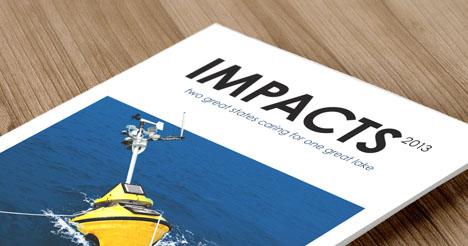
To learn more about how IISG is empowering communities and individuals to secure a healthy environment, check out our 2013 program impacts.




