
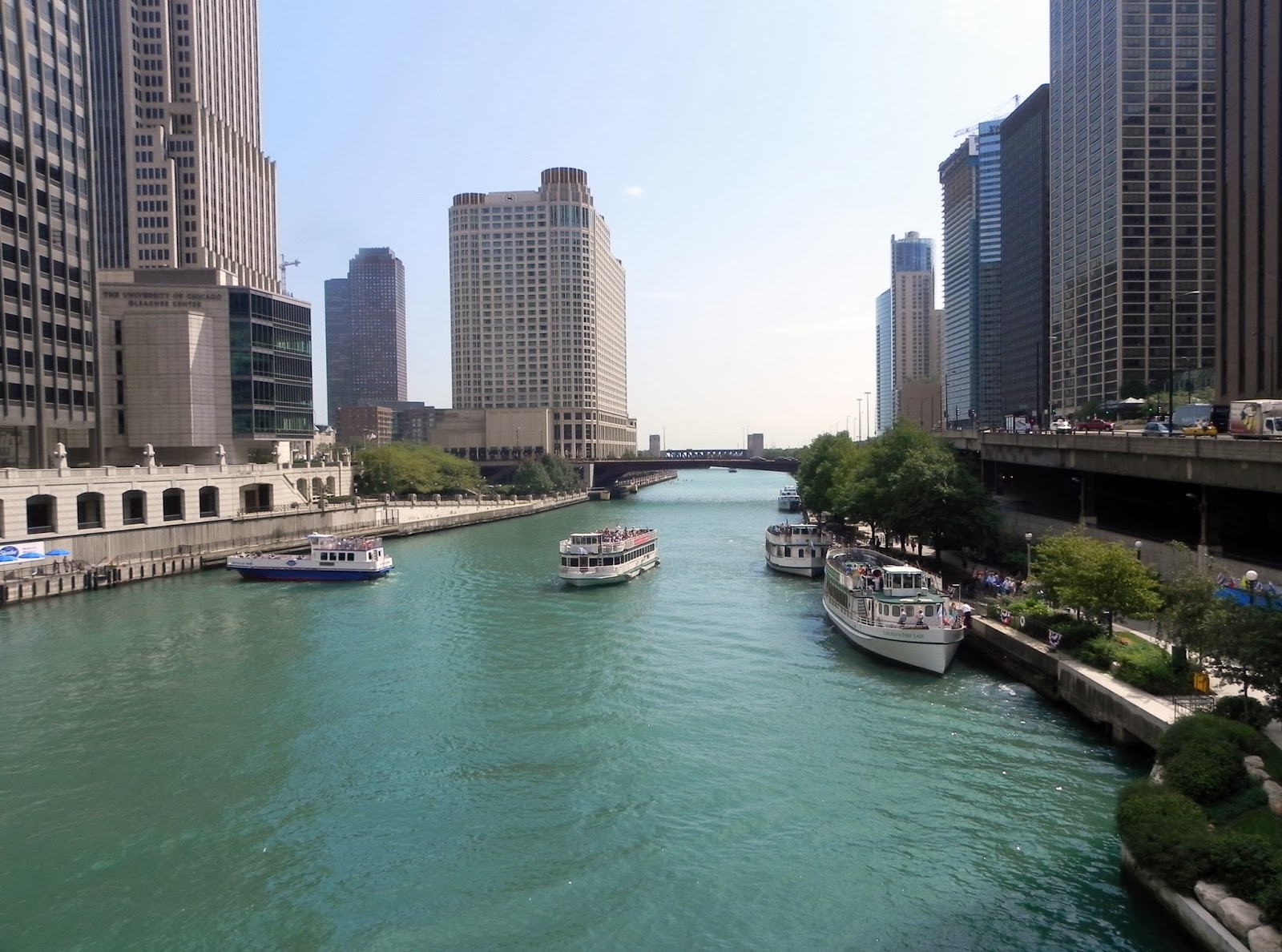
The most recent report from the U.S. Army Corps of Engineers regarding invasive species and threats to the Great Lakes recommends a pricey but perhaps necessary project – separating the Chicago River and Lake Michigan from each other. 
 
From The Atlantic Cities
“Over the last decade or so, a huge range of interests — from environmental groups to fishermen to shipping experts to politicians — have raised the alarm over just how much this artificial connection has created an opening for invasive species such as the Asian carp to make their way through North America’s waterways. And the costs associated with the damage caused by these species have been high enough to prompt serious consideration of closing off the link between the Mississippi and the Great Lakes.
 

How high? First, consider the figure $18 billion. That’s the estimate the U.S. Army Corps of Engineers released last week to re-insert a physical separation between the Great Lakes and the Mississippi system. The full report, the Great Lakes and Interbasin Mississippi River Study, was commissioned by Congress to address the growing threat of invasive species in the area known as the Chicago Area Waterway System. The final report details a wide spectrum of actions — ranging from essentially maintaining the status quo to engineering a complete separation over a 25-year period — but doesn’t offer recommendations on which course to take.”
Visit the link above for the complete article, which includes very interesting numbers related to the threat of invasive species (and the long-term costs of managing/controlling them if no action is taken).


IISG Instagram

Looking for a fun way to teach about marine debris? Check out Me and Debry, which is a whimsical, 30‑minute, audience‑participation play created for @UWiscSeaGrant. It helps students explore what marine debris is, why it matters, and how we can make a difference in the Great Lakes.The full script (English) and participation scripts (English, Spanish, and Hmong) are free to use, along with marketing materials for performances.Bring learning to life and start a conversation about litter in our waters!Check it out at the link in bio.#TeachingTuesday
Do you work or live along the Great Lakes coasts? Watch our newly released video series collection, containing several short videos that overview the range of coastal protection options in the Great Lakes, including:- Natural processes in the Great Lakes- Hard coastal protection structures and how they interact with/alter natural processes- Nature-based coastal solutions in the Great Lakes, ranging from green to gray approachesFind our two new video series at the link in bio.
Located in Washington, D.C., the Sea Grant Knauss Fellowship provides a unique educational and professional experience to graduate students who have an interest in ocean, coastal and Great Lakes resources, and in the national policy decisions affecting those resources. This is a one-year fellowship open to any student, regardless of citizenship, who is enrolled toward a degree in a graduate or professional program on the day of the deadline.Students enrolled at an Illinois or Indiana university or college should submit their applications through Illinois-Indiana Sea Grant by emailing Angela Archer at amcbride@purdue.edu. Students in surrounding states without a Sea Grant program should contact the National Sea Grant College Program at oar.sg.fellows@noaa.gov for a referral. Application deadline: June 3, 2026.To learn more about the fellowship, visit the link in bio.