
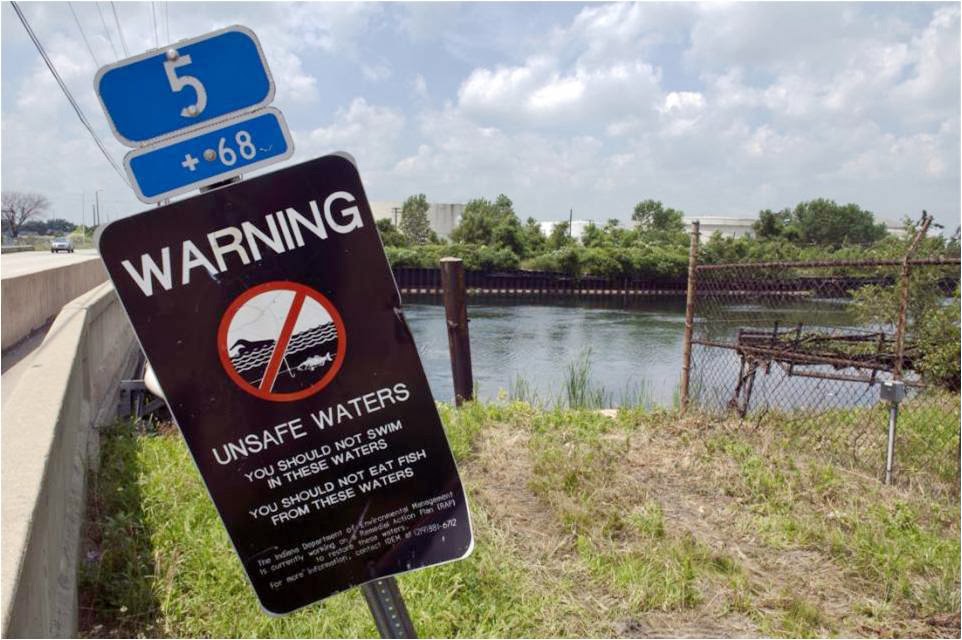
 It will be a long road to restoration, but this step means those who live and work nearby can expect to see a clean river bottom with a vibrant plant community as early as 2024.
 For now, efforts are focused on determining the feasibility of cleaning up four river segments: one in Gary, IN and three more in East Chicago, IN, where there is also funding to design a tailored cleanup plan.
Remediation projects are big undertakings. One common strategy, for example, requires contaminated sediment to be dredged, pumped to shore, dried, and trucked off to fill sites certified to handle this kind of waste. At the same time, the water pulled out during dredging has to be treated before it can be returned to the river.
To ensure the success of any new projects in these areas, the EPA is teaming up with the East Chicago Water Management District, the Gary Sanitary District and other local partners to take a closer look at restoration needs. In Gary, planning will likely be completed sometime this year, but it will be another year still before the group announces plans for the stretch flowing through East Chicago. Before any actual cleanup work can begin, though, additional funding and partners will be needed for both projects.
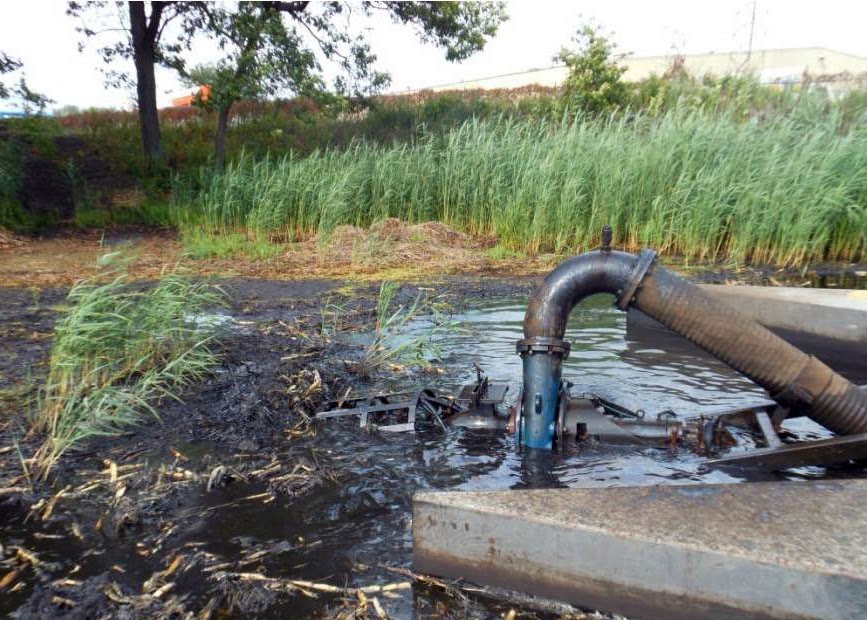 The next few years will also prove significant for two other sections of river. Cleanup efforts at the river’s westernmost end in Hammond, IN are expected to kick off this year. And work on a larger segment of the river just a few miles to the east is expected to wrap up in 2015. There, construction crews have already removed much of the contaminated sediment along the river bed and are now turning their sights to nearby wetlands. Project partners have also begun removing invasive plants along this stretch to make room for native species that will be planted in 2015.
 Efforts to restore the Grand Calumet River are part of the Great Lakes Legacy Act, the Great Lakes Restoration Initiative, and the Resource Conservation and Recovery Act.
*Photo 1 courtesy of Lloyd DeGrane
*Photo 2 courtesy of U.S. EPA