
Posted July 16th, 2013 in Education
“Thank you for providing an awesome, informative, and very educational workshop,” said one teacher after last month’s B-WET field experience. “It was extremely helpful to me and, as a result, I feel very confident in addressing my students regarding the Great Lakes, knowing that now I have a plethora of resources, information, lessons, etc. at my disposal.”
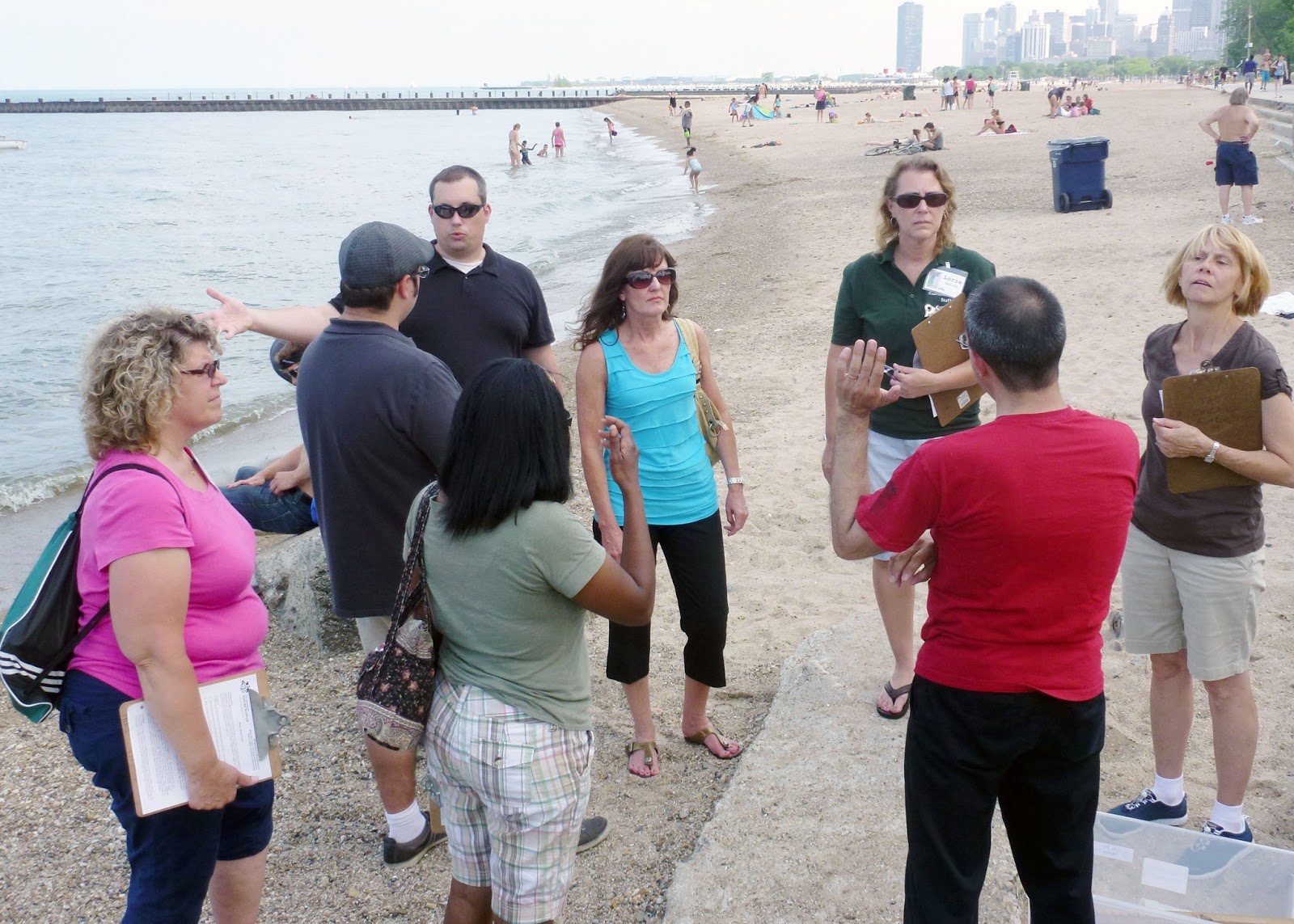
All of the attendees at this year’s B-WET Field Experiences for Watershed Educators workshop shared similar positive feedback on the experience, and were genuinely excited at the opportunity to expand their science lessons. IISG’s education team led last month’s four-day training for teachers in Illinois and Indiana, where participants gained new hands-on skills and knowledge from invited speakers to take back to their classrooms.
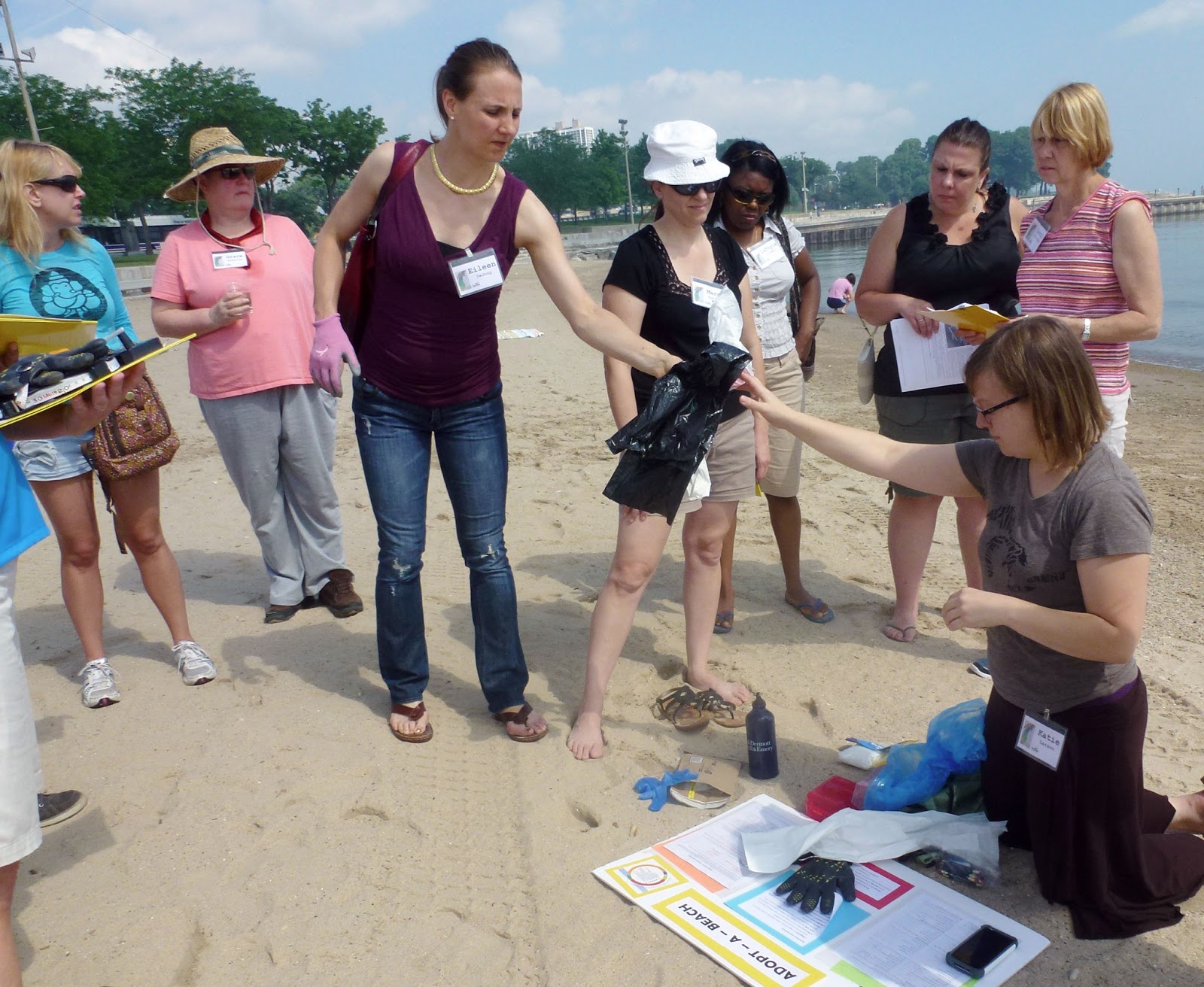
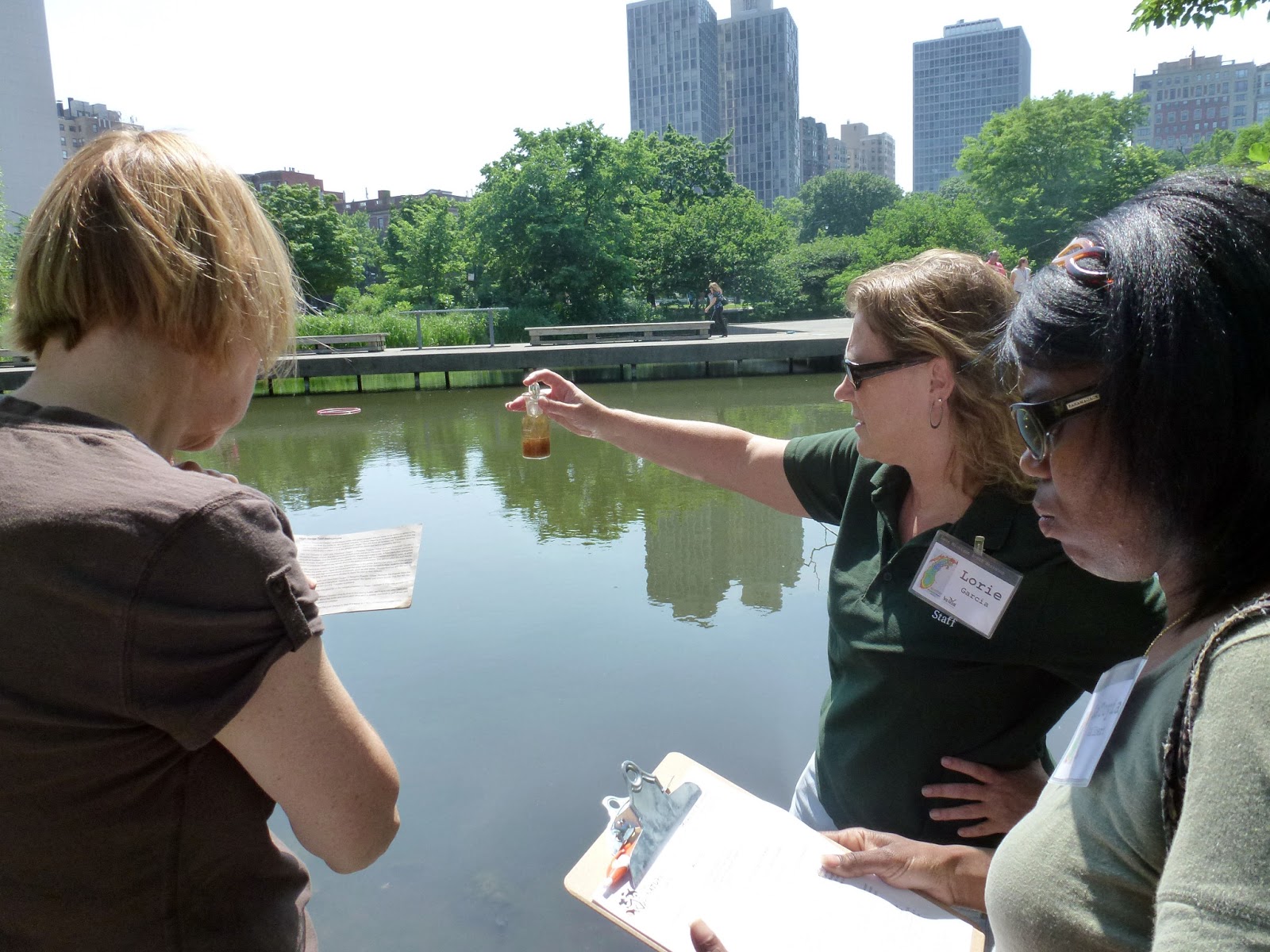 Teachers got to see a number of practices in action, including habitat restoration at Cowles Bog, a remediated and revitalized Roxana Marsh, water quality testing at the Peggy Notebaert Nature Museum pond, and more. They also got their hands dirty planting native species and performing a beach cleanup.
 The workshop was designed explicitly to provide educators with a way to connect classroom concepts and scientific principles with real-world examples of watershed stewardship in action. Teachers engaged in fieldwork and collaborated with participating agency and organization educators who shared their program examples. As a result, teachers will be able to offer their students information that complements their science curricula. Additionally, the workshop gave them a chance to brainstorm new activities and lessons they could use with their students this fall.
Terri Hallesy, Illinois-Indiana Sea Grant education specialist explained, “As a result of this workshop, students will develop awareness and understanding about these critical environmental watershed issues based on the teachers’ new understandings. Educators will bring this increased confidence to their students to help excite them about engaging in Great Lakes stewardship.”
Added Rafael Rosa, Vice President of Education at the Peggy Notebaert Nature Museum, “What I was most impressed with was the enthusiasm of the teachers the program attracted. They asked great questions and more importantly were very open to sharing ideas and working with one another. I think I learned as much from them as they did from me.”
Funding was provided through a grant from the NOAA B-WET education program (linked above), and the workshop was made possible with assistance from Indiana Dunes State Park, the Great Lakes Research and Education Center at Indiana Dunes National Lakeshore, and the Alliance for the Great Lakes.