Posted December 18th, 2012 in Fellowships, Program
Will Tyburczy, a Ph.D. candidate from the University of Chicago, and Najwa Obeid, a Ph.D. student working with Dr. Charles Werth at the University of Illinois in Urbana-Champaign, were the two IISG-sponsored graduate students selected for the John A. Knauss Marine Policy Fellowship. As part of the fellowship, each of them spent a week in Washington, DC interviewing with leaders in marine policy and were selected for positions related to their research and career interests.
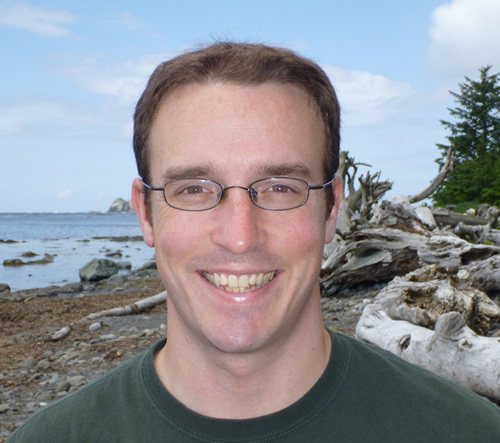
Will Tyburczy writes, “I ultimately selected a fellowship position in NOAA’s Office of Program Planning and Integration. Specifically, I’ll work with a nationwide network of employees across NOAA’s various offices and centers known collectively as the Regional Collaboration Network. The network specializes in finding collaborative solutions to achieve NOAA national and regional priorities. As a fellow, I will help to further develop the existing regional network and synthesize input from each of the network’s eight regions in order to brief NOAA leadership on how efforts are progressing across the country. I will also have the opportunity to meet with top administrators throughout NOAA and gain a working knowledge of how policy is used to effectively manage our oceans.”
Najwa Obeid also wrote to share her experience and her excitement at being selected for one of the fellowships. “Like many of my fellow fellows, I found Knauss placement week to be like speed dating or rush week. Every 30-minute interview was an experience in itself – from traveling to a host office to learning more about what each does. Placement week allowed me to learn in more depth about the breadth of topics and research related to the Great Lakes, coastal waters, and atmosphere that NOAA undertakes, and gave me the opportunity to meet a dynamic group of people dedicated to upholding NOAA’s mission and vision of the future.

My placement at National Science Foundation meshes well with my current research, which takes a multidisciplinary approach to managing urban stormwater runoff in communities around the Great Lakes. I will be working in the Coastal Science, Engineering, and Education for Sustainability Program (SEES) where I will be exposed to all facets of coastal ecosystems. These include land that is closely connected to the sea, with its beaches, cities, wetlands, and maritime facilities; the Great lakes, the continental seas and shelves; estuaries; and the overlying atmosphere. A goal of the Coastal SEES is identification of natural and human processes that will better inform societal decisions about the use of coastal systems. Likewise, my research contributes to assessing the impact that restoration activities have on hydrologic processes, and also provides insights on decision making through economic evaluation. In general, it presents a modeling approach based on the concept of coupled human-natural systems.”
Congratulations to both Will and Najwa on being selected as Class of 2013 Knauss Fellows. To learn more about the fellowship program, visit the National Sea Grant College Program Dean John A. Knauss Marine Policy Fellowship website.