Posted November 28th, 2012 in
Education
Educators from Illinois, Indiana, and Wisconsin attended IISG’s workshop Nov. 9-10 to increase the presence of Great Lakes science in their classrooms and to improve student awareness of issues related to the Lakes.
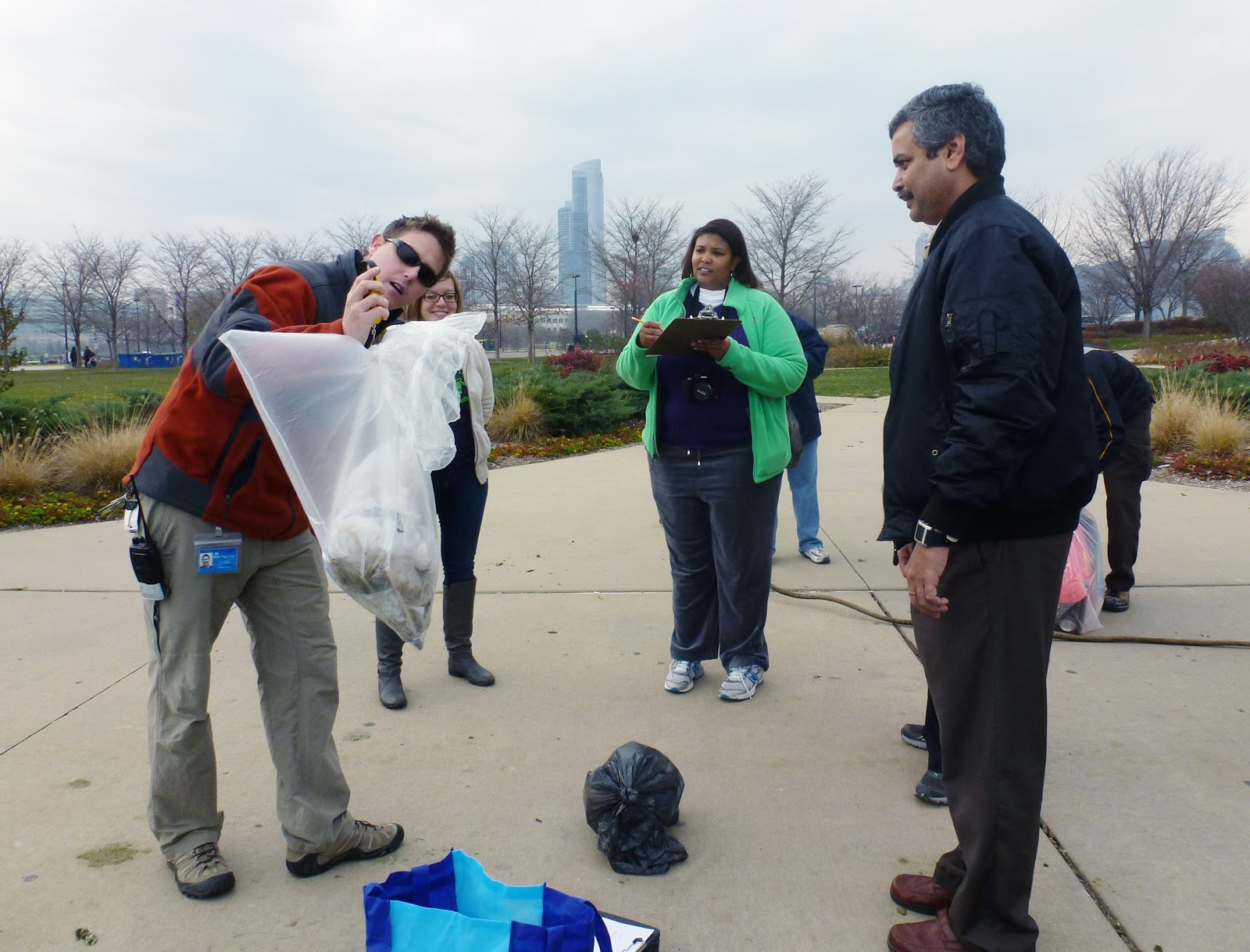
Illinois-Indiana Sea Grant partnered with Chicago’s Shedd Aquarium and the National Park Service Great Lakes Research and Education Center and the Dunes Learning Center to host the workshops, which provided opportunities for teachers to engage in science and math data collection and hands-on field work. Educators previewed Sea Grant’s Greatest of the Great Lakes and Fresh and Salt curricula to familiarize themselves with the diverse range of learning formats to enhance their science, math, and engineering units, as well as activities from Great Lakes in My World by the Alliance for the Great Lakes. Also, as part of the new Center for Great Lakes Literacy, workshop attendees learned how to help protect and restore coastal areas in the Lake Michigan watershed through a variety of teaching methods.
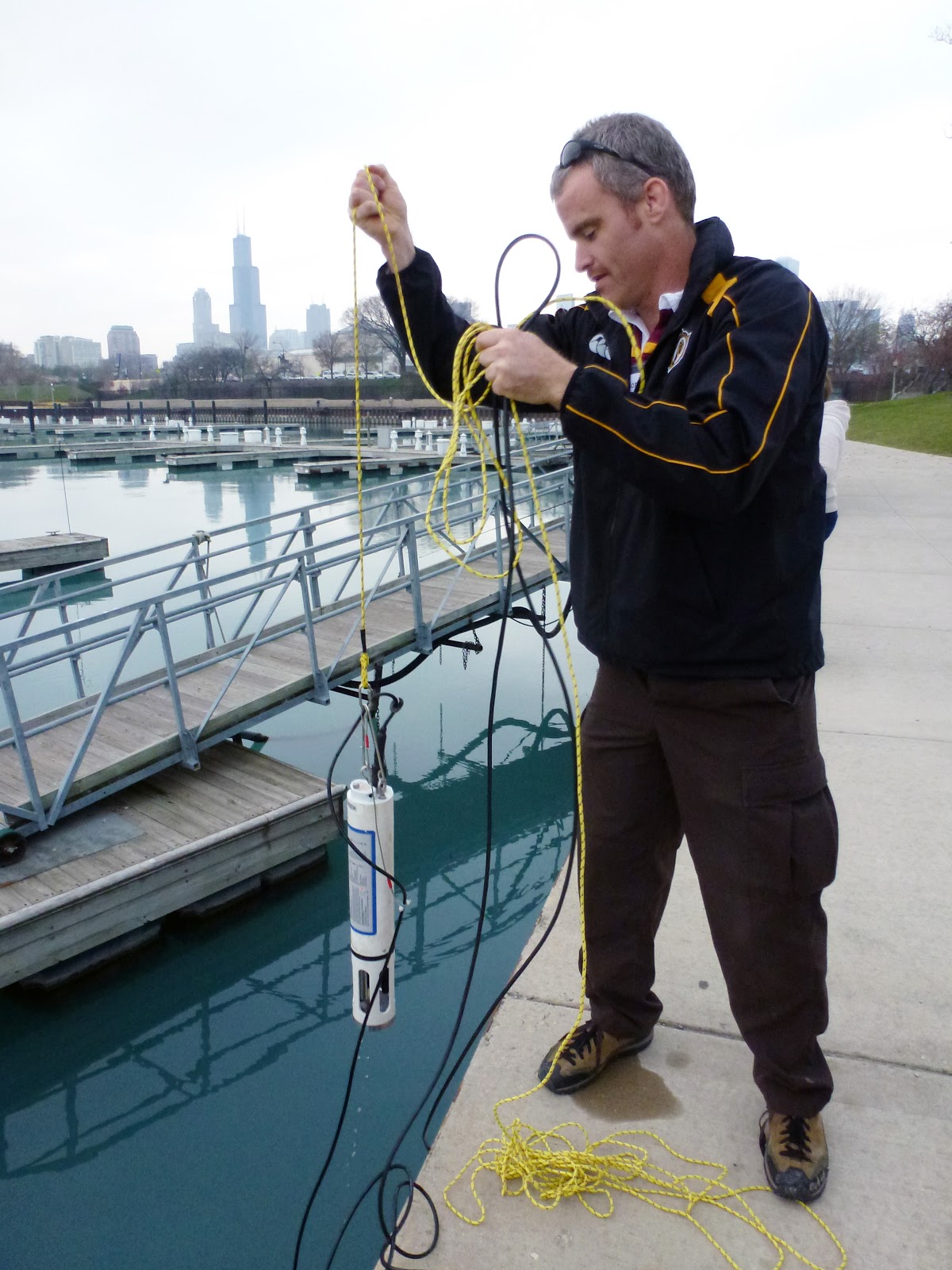
All of the teachers who attended this year’s workshop were excited to learn about programs like the Alliance for the Great Lakes’ Adopt-a-Beach, as well as the many exciting student stewardship activities offered by the Shedd Aquarium, the Dunes Learning Center, and the Indiana Dunes National Lakeshore botanists. They also enjoyed the hands-on activities, including using the Enviroscape model to learn about point source/non-point source pollution, and learning how to use GLNPO’s Hydrolab water quality monitoring instrument.
The feedback and comments from teachers was especially positive. Said one attendee, “You’ve given me great ideas about water quality, drinking water, invasive and noninvasive species, habitat restoration, and stewardship projects I can provide for my kids to become ‘Great Lakes literate.’”
To learn more about IISG’s educational programs and resources, visit our education webpage, and follow us on Facebook for more events, workshops, and information.
This Center for Great Lakes Literacy project was funded through a grant from the U.S. EPA Great Lakes National Program Office.