July 12th, 2012 by Irene Miles
One of the unsung agencies that is heavily involved in restoring coastal ecosystems just happens to be one of the biggest and most crucial – The U.S. Army Corps of Engineers.
The U.S. Army Corps of Engineers and their Ecosystem Restoration Program are heavily involved in planning, developing, and executing projects that restore damaged ecosystems and areas and provide environmental benefits to communities, including several projects in and around the Great Lakes.
“The USACE works to restore degraded ecosystems to a more natural condition through large-scale ecosystem restoration projects, such as the Comprehensive Everglades Restoration, Louisiana Coastal Area Ecosystem Restoration, Chesapeake Bay Oyster Recovery, Aransas National Wildlife Refuge Beneficial Use of Dredged Material (restoration of marsh critical to the endangered Whooping Crane), and Houston Ship Channel Beneficial Use of Dredged Material (marsh restoration in Galveston Bay), and by employing system-wide watershed approaches to problem solving and management for smaller ecosystem restoration projects.”
Read more about this terrific program and about the substantial work that goes into these projects at the article linked above.
June 28th, 2012 by Irene Miles
Kara Salazar is IISG’s new sustainable communities extension specialist, located in the Department of Forestry and Natural Resources at Purdue University in West Lafayette, Indiana. She will design an extension program to empower communities to sustain natural resources. Kara will develop products, programs, and resources that will assist communities in identifying a range of issues that impact their sustainability and in making informed land use and policy decisions. These sustainability issues include recycling, lawn management, green infrastructure, water conservation, natural resource based planning, alternative energy strategies and more.
Kara has a M.P.A. in natural resource management and nonprofit management from the Indiana University School of Public and Environmental Affairs. She also received a M.S.Ed. degree from the IU School of Education at Indiana University-Purdue University Indianapolis (IUPUI) as well as a Certificate in Fundraising Management from IU. She came to Sea Grant and Purdue Extension from an education outreach position in the Department of Earth Sciences, Center for Earth and Environmental Science at IUPUI.
June 26th, 2012 by Irene Miles
We’ve likely all heard about water conservation at various times – whether from our parents (don’t leave the water running), our neighborhoods (in the case of lawn watering rules and schedules), or from kids in line at the water fountain (“Save some for the fish!”).

Conserving water has always been important for a number of reasons, but recent studies are showing that it’s a serious issue. As the need for water grows worldwide, the way that we use water requires some significant consideration, study, and action.
Innovative new systems that reuse water for various needs and purposes are taking this issue and applying a potential solution. Rather than just turning off the faucet or washing the car less frequently, these systems or processes recycles large amounts of non-potable water for agricultural, landscape, and industrial applications.
From the website Environmental Protection Online:
“Water is reused in two main ways: non-potable reuse, in which treated wastewater is used for agriculture and landscape irrigation, industrial applications (such as cooling processes), toilet flushing and fire protection; and indirect reuse of wastewater to recharge ground water supplies, allowing treated wastewater to percolate down to aquifers and replenish water sources. Overall, non-potable and indirect reuse of water in the U.S. is growing rapidly, with more than 2 billion gallons reused per day, and volume increases at an estimated 15 percent annually.”
Find out more about some of the systems being developed and how reuse can have an impact in helping us meet these growing water needs by reading the
full article.
June 25th, 2012 by Irene Miles
A lot of people are probably familiar with the streams, lakes, and rivers near where they live. Many people might even be able to point out where their local water treatment plant is. But what a lot of people might not know is that the water we use often comes from a long, long way away.
Watersheds are areas where water comes together and drains to a common place. In addition to the streams and rivers and creeks that we can see, though, watersheds encompass a huge range of pathways for water, and your nearby water supply might be part of a very large system that spans multiple states.
As a result, even in areas where there aren’t necessarily rivers nearby, what goes into our water directly or indirectly can have a big impact. Development and sprawl, even well outside of cities and away from rivers or lakes, can have a significant effect, and that is the focus of a recent article from The Atlantic Cities:
“Of course, obtaining sustainable development in town isn’t enough, in and of itself, to guarantee high quality, fishable and swimmable rivers and streams. Industry plays a part; utilities and waste water treatment plants play a part; sensitive farming, ranching, and/or timbering play a part, all in different proportions depending upon the particular watershed in question.”
The interconnectedness of watersheds is one of the main motivations behind initiatives like
Lawn to Lake and
Unwanted Medicines – keeping the bad stuff out of our water protects people, plants, and animals across a wide region.
June 20th, 2012 by Irene Miles
Today is the first day of summer! Perhaps this leads you outside to attend to your lawn and garden. And, with the weather being pretty dry lately, lawns and gardens may indeed take extra care.
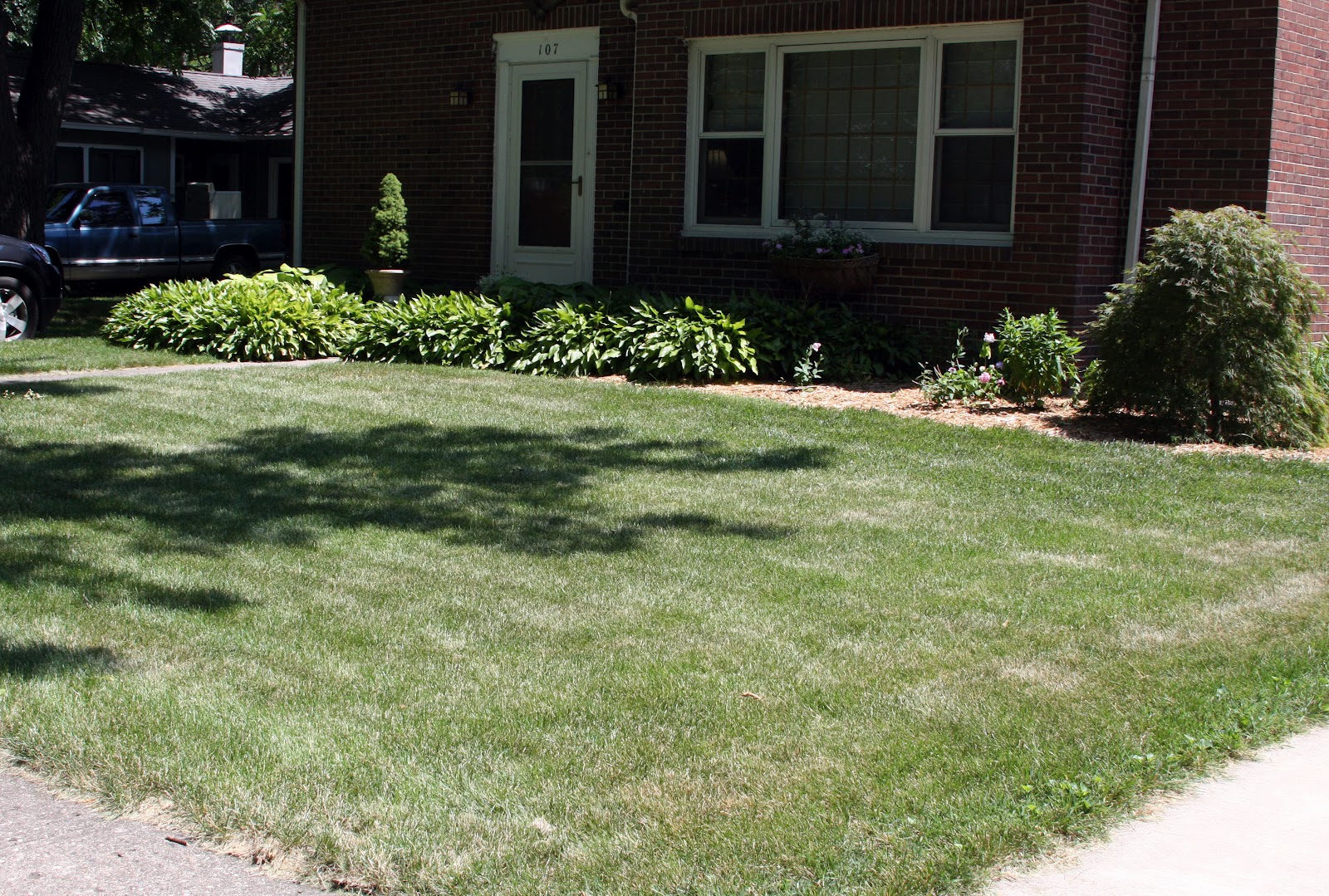
While the obvious answer to this year’s drought advisory may be to water the lawn, this may not be the best solution. Brown grass is a sign that the lawn is entering a period of dormancy, a normal state for the cool-season perennial grasses that comprise the majority of Illinois and Indiana lawns. So, you may need to decide whether to let your lawn go dormant in the summer or continue watering.
IISG’s Margaret Schneemann is the coordinator for Lawn to Lake, a project to encourage natural lawn care, thereby helping to reduce the amount of pesticides and fertilizers that end up in our waters. But, conserving water use is key as well. Here are her tips:
My neighbors are asking me why my lawn is looking greener than theirs even though I am not irrigating the lawn. The trick is following a natural lawn care program that increases the drought-tolerance of the lawn, extending the greening of the lawn longer into the summer season. For established lawns, a few simple natural lawn care steps include:
*· Mow lawn high throughout the summer (3-3.5 inches).
*. Water deeply once per week in the morning.
*. Avoid pesticide use on drought stressed lawns.
*. Do not apply excess nitrogen fertilizer in the summer; wait until the fall.
*. Aerate and overseed to prevent thatch and increase turf density.
If you decide to let the lawn go dormant, the question to ask is: How much water does it take to keep the lawn alive? For a lawn that is drying out, applying 1/3 inch of water every three weeks will keep your lawn dormant, but ready to green up again when conditions improve.
If you aren’t considering letting your lawn go dormant, keep these point in mind:
*· Maintaining a green lawn in hot summer conditions can double the amount of watering necessary to maintain the lawn (two inches per week).
* Watering needs to be done before the lawn becomes dormant, when the very first signs of drought stress appear. DO NOT start watering a lawn that has already browned and entered a state of dormancy, as it will stress the grass plants, promote weeds, and encourage undesirable insects, such as grubs, to take up residence in the lawn.
·* Many municipalities have lawn watering restrictions during these hotter summer months when increasing water demand for lawn irrigation is at its peak. Familiarize yourself with any lawn watering restrictions and adjust your watering schedule accordingly.
June 15th, 2012 by Irene Miles
IISG education team members Robin Goettel and Terri Hallesy partnered with Angie Viands of the Field Museum’s Earth Force Program, along with students and teachers within the Calumet community to raise awareness about properly disposing of pharmaceuticals and personal care products (PPCPs).
Windy City Earth Force is part of the museum’s Calumet Environmental Education Program (CEEP). Earth Force is a program that engages 7th and 8th grade students in action projects to address environmental issues in their community.
Students from four schools developed community-based information projects that were showcased at the Earth Force youth summit at Chicago’s Field Museum on May 8, 2012.
Below is a rundown of the final projects that were part of the event:
Thomas Hoyne Elementary
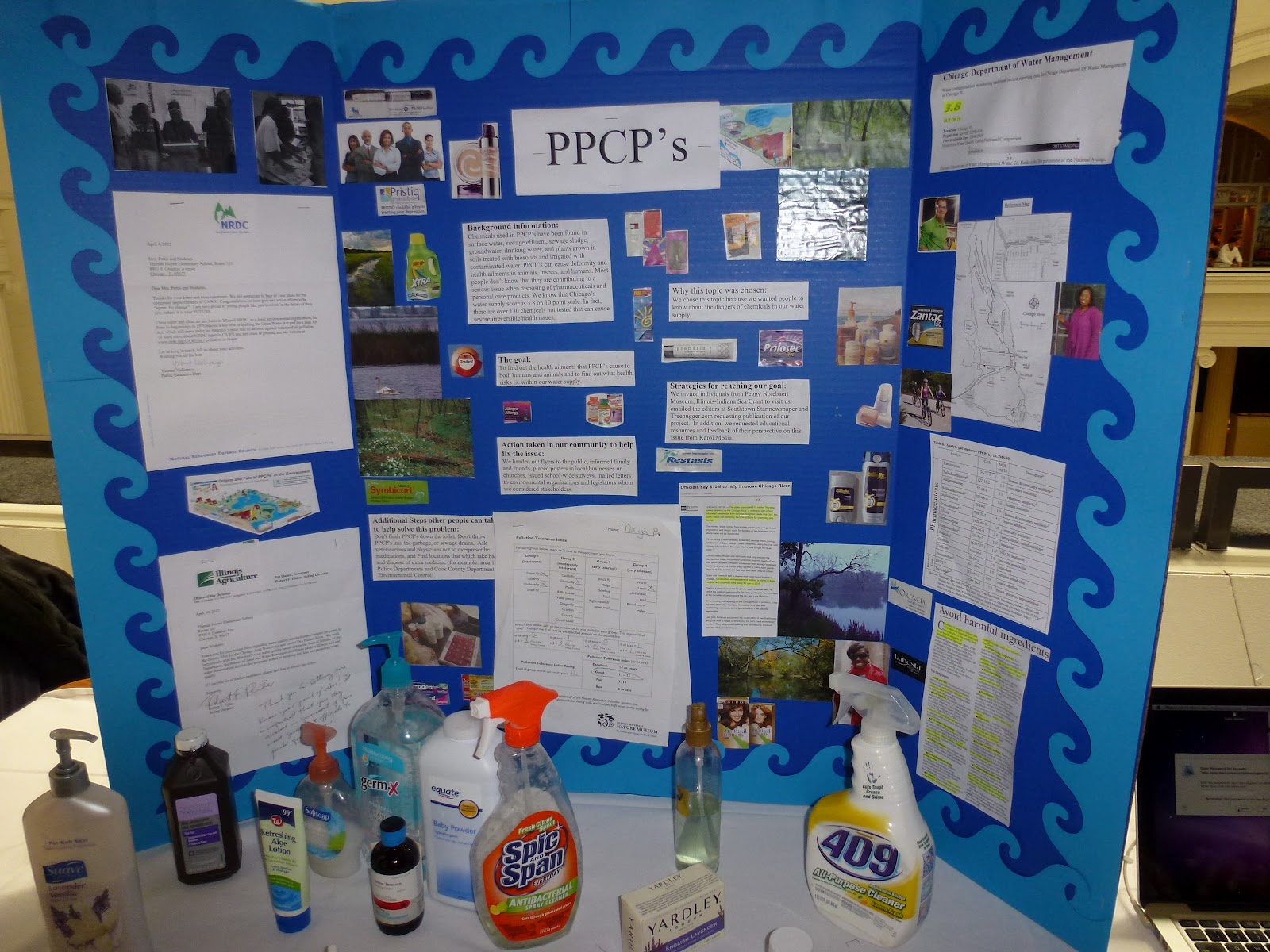
Ms. Pettis’ 7th grade students’ goal was to find out about potential health concerns for humans and animals caused by PPCPs and to find out what health concerns may lurk within our water supply.

They produced several informational items to help raise awareness about how people contribute to pollution. Those items included:
– Letters to stakeholders, including businesses, legislators, and environmental organizations (including National Resources Defense Council and Illinois Department of Agriculture) about contaminates in the waterways and the importance of water quality standard improvements.
– Fliers to distribute to the public, as well as family and friends about the issue of contaminants and how they can make a difference in their community.
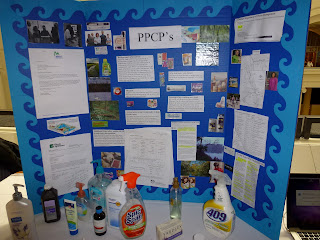
– Posters in local businesses and churches with the message “Stop Pollution in our Water: be green, stop pollution, and save our Earth.”
– School-wide surveys to determine the pollution tolerance index rating for various aquatic species.
– E-mail messages to editors at Southtown Star newspaper and Treehugger.com requesting them to publish their classroom project.
The final display at the summit included information about how personal care products (PCPs) can be harmful in waterways, as well as additional steps that people can take to help solve this problem. Students displayed sample PCPs that are often found in aquatic ecosystems in the hopes of raising awareness about contaminants in water.
Bennett Elementary

Ms. Millner’s students created a poster display, “Don’t Trash it! Bag It!” They had researched disposal methods for medications, hair care products, and cellphones.
The students educated their fellow classmates about proper disposal methods and passed out literature to hundreds of students to take home to their families. The handouts included information about using either coffee grounds or kitty litter to dispose of the unwanted medicine in the trash, or bringing these pharmaceuticals to a medicine collection site or a community collection event. They also conveyed the message that it’s better to use up hair care products instead of throwing them away. The students cited earth911.com as a useful website for information about how to properly dispose of personal care products.
Students commented that “this project helped their community because people really need to know how hair care products get into our waterways and can endanger aquatic species,” and “I’m doing a big part in the community. People should wake up to it so that our environment can be more pure.”
Robert A. Black Magnet School
Ms. McNeal’s after-school Science Club students got the word out about proper disposal of PPCPs by writing and performing a rap song that they shared with their community.

In addition, they developed a flier about how to help dispose of medications including the location of the nearest police station collection box.
All of the students did a terrific job of finding out about these issues and coming up with ways to share that information with their community. Congratulations to the students, teachers, and the Earth Force program on making the event such a success.
This “Undo the Chemical Brew” education project is funded through the Great Lakes Restoration Initiative. Check out the latest information by visiting www.unwantedmeds.org.
June 14th, 2012 by Irene Miles
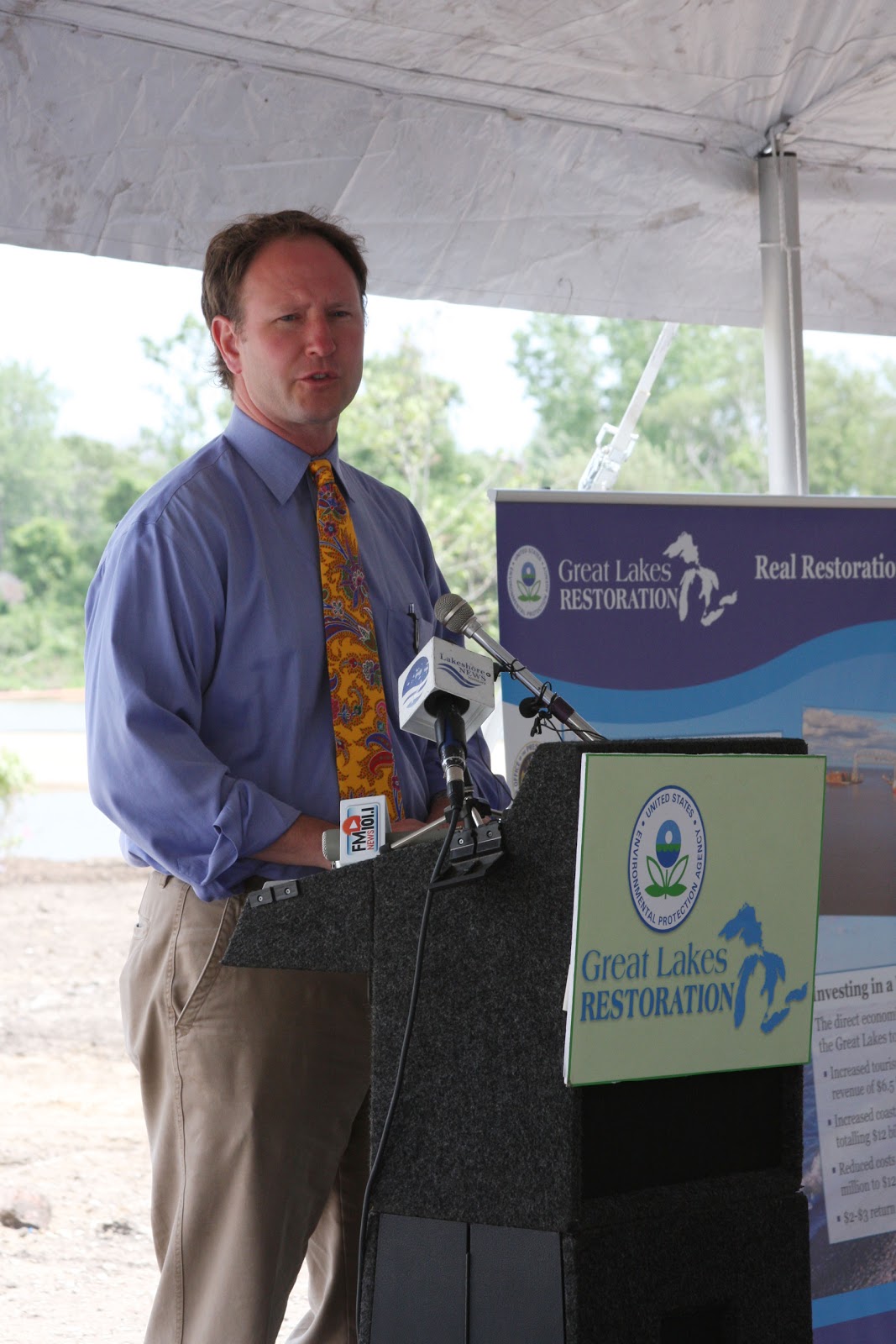
In northwest Indiana, life may just be a little more hopeful than it used to be. The Great Lakes Legacy Act (GLLA) project to remove contaminated sediment from portions of the Grand Calumet River and adjacent Roxana Marsh is done. Unlike before the cleanup, these waterways will now likely attract birds, aquatic life, and people.
“This river was lifeless,” said Cameron Davis, senior advisor on the Great Lakes to EPA Administrator Lisa Jackson. “Today, because of this effort, you can see the Grand Cal working and fighting to come back to life, and with it, the community.”
A celebration and press event earlier this week to mark this moment brought together the many players and partners involved in the process. And, thanks to work done by Caitie McCoy, Illinois-Indiana Sea Grant (IISG) social scientist, local school children capped off their semester-long learning experience about the restoration project by planting native seedlings along the marsh’s shores.
“Legacy Act projects provide opportunities for residents to get involved in the river restoration process and learn about local water issues,” said McCoy. “As the Grand Cal project moved forward we have been ensuring that this includes local students too.”
McCoy and Nishaat Yunus, a fellow in the U.S. EPA Great Lakes National Program Office (GLNPO), worked closely with students in two northwest Indiana schools, engaging them in hands-on water monitoring activities and other learning opportunities.
At the Hammond Academy of Science and Technology they accompanied about 80 9th grade students from Amanda Miracle’s science classes on a field trip to the river. Students took water samples to monitor water quality in restored sites–the results were shared with EPA and GLLA project partners. The students have gone back to the river to view progress on the restoration project. They have also learned data analysis, data reporting, and used data to make project-level decisions.
At the East Chicago Lighthouse Charter School, about 50 4th grade students from Andrea Bock’s science classes grew native plants, provided by EPA. These plants were brought to Roxana Marsh to put in the ground as part of the celebration.McCoy and Yunus engaged students in key concepts associated with habitats and restoration projects. The children designed their own Roxana Marsh habitat by constructing a colorful classroom mural.
McCoy is working with IISG’s education team—Robin Goettel and Terri Hallesy—to package the classroom programming developed through these efforts, so it will be ready to apply at other GLLA sites, hopefully to work in conjunction with Sea Grant programs in other states.
http://hallesy
Altogether, more than 575,000 cubic yards of polluted sediment were removed from 2.5 miles of the Roxana Marsh and Grand Calumet River. The project’s $56 million costs were shared by U.S. EPA and the state of Indiana. But there are many players in this project—EPA GLNPO, the U.S. Fish and Wildlife Service, Indiana Department of Environmental Management, and the Indiana Department of Natural Resources cooperated in the cleanup.
At the project celebration, Rep. Pete Vislosky commented on the restoration project. “What we used to call an industrial ditch—for 100 years—will be a grand river and a tremendous asset for all of us and our nation.”
June 12th, 2012 by Irene Miles
The report combines study and information of a wide range of factors in order to provide appropriate recommendations for planning the community’s use of water.
From the Metropolitan Planning Council’s website:
“
This report is the culmination of one year of cooperative work, from March 2011 through March 2012, between the Village of Lake Zurich and a project team led by Metropolitan Planning Council in partnership with the Center for Neighborhood Technology, Chicago Metropolitan Agency for Planning, and Illinois-Indiana Sea Grant. Through MPC’s Community Building Initiative, the team also convened a 13-member task force consisting of volunteer members with expertise in ecology, economics, engineering, law, planning, and utility management, to assist and advise the project team.”
The report not only provides information to water planners and local officials in Lake Zurich, but can be a model for other communities, laying out a variety of factors to consider and ways to meet the needs of customers while planning for the future.
The complete report is available for download at the link above.
June 1st, 2012 by Irene Miles
Ensuring safety for visitors to Lake Michigan involves several factors, many departments and people, and a terrific amount of work. And still, unless good, accurate information reaches visitors and people who need it, potential problems can’t be avoided.
One such concern each summer season is the presence of
rip currents – a strong flow of water under the surface that carries away from the shore. Each year, swimmers and surfers in all major bodies of water can be endangered by the presence of these currents. That is why developing a more accurate and immediate way of warning beachgoers about rip currents is incredibly important, and why the National Weather Service, the U.S. Coast Guard, lifeguards at several beaches, and other organizations are partnering to develop and share information about rip currents.

From the Northwest Indiana Times:
“…the National Weather Service’s Chicago office in Romeoville, Ill., and the Northern Indiana office teamed up with beach operators to enhance predicting and warning of rip currents along Lake Michigan’s beaches in an effort to reduce drowning deaths.
In addition to modeling to predict rip currents, forecasters now have the help of lifeguards at beaches at Indiana Dunes State Park in Chesterton, Washington Park in Michigan City, Warren Dunes State Park in Sawyer, Mich., and Silver Beach County Park in St. Joseph, Mich. The lifeguards report water conditions twice daily and can see the rip currents in the water from their guard stands.”
Great Lakes Beach Hazards, from NOAA, has information about rip currents and beach conditions. Most importantly, stay safe and have fun this summer at all of the Great Lakes.