
Posted September 2nd, 2014 in Aquatic Invasive Species, Funded Research
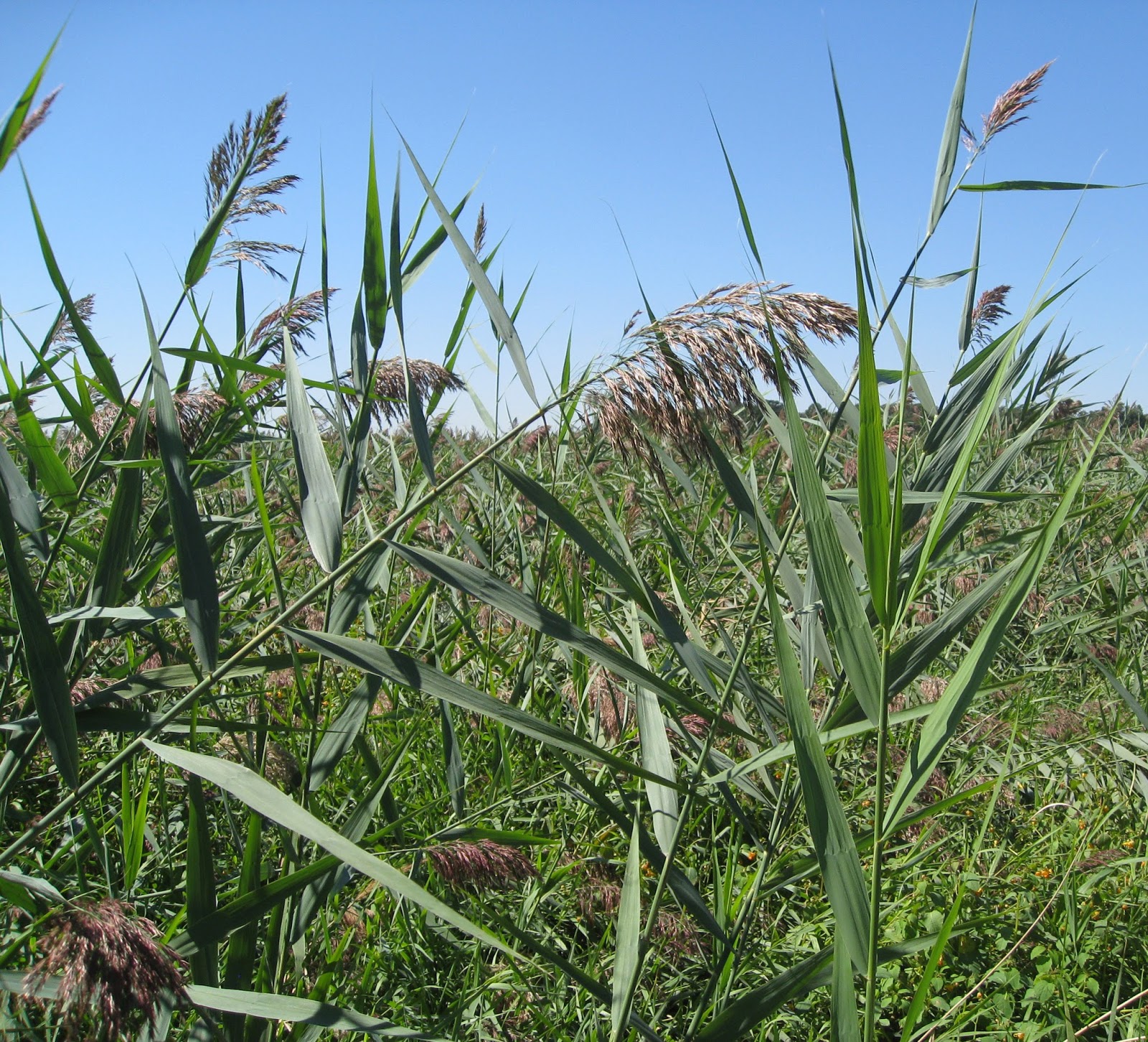 Researchers at the Chicago Botanic Garden are asking wetland managers across the country to join PhragNet, a collaborative network that brings scientists and managers together to improve Phragmites control strategies. From the latest issue of IISG’s The Helm:
 The idea behind PhragNet is simple. Managers provide soil and plant samples and share information about their management strategies and goals. In return, researchers use that data to better understand Phragmites invasions and help managers hone in on the most effective control and restoration strategies.
The IISG-funded network is still in its early stages, but PhragNet co-founders Dan Larkin, Jeremie Fant, Vicky Hunt, and others have already collected data from roughly 50 participants in 15 states and Ontario.
“There is so much we can learn by ‘crowd-sourcing’ information about how to effectively manage Phragmites-impacted wetlands,” said Larkin. “The value will increase over time as we see how sites respond to management.”
For more information on how to join, visit the Great Lakes Phragmites Collaborative’s PhragNet page.