
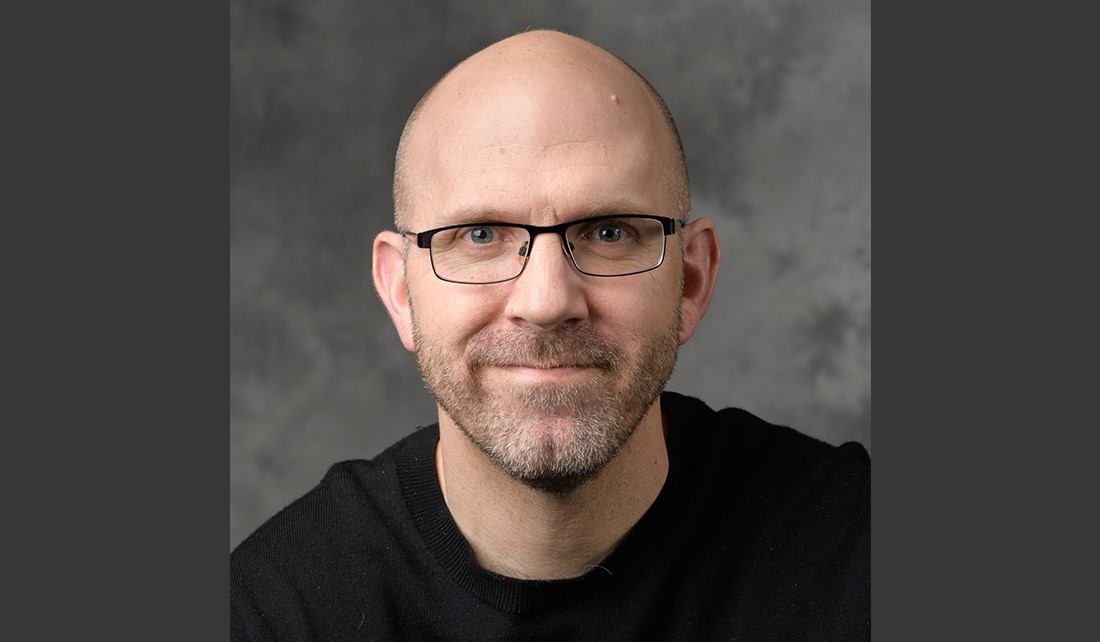
Tomas Höök has taken the lead as director of Illinois-Indiana Sea Grant, managing program administration at Purdue University after the transition from University of Illinois. Höök, who has been with IISG since 2010, was previously the program’s associate director of research. He replaces Brian Miller, who served as IISG director for the past ten years.
“As director, I initially hope to help guide the program through the transition period as our administration moves from Illinois to Purdue and new staff members come on board, all while dealing with uncertain federal funding scenarios,” Höök said. “Eventually, I’d like to help our program develop new initiatives, partnerships and approaches to help inform and empower Illinois and Indiana communities.”
Höök holds an appointment as associate professor of fisheries and aquatic sciences in the Department of Forestry and Natural Resources at Purdue University. He directs a Purdue research lab that investigates environmental questions at the interface between applied and basic ecology, focusing on fish and fisheries ecology in the Great Lakes.
“Purdue is thrilled that Dr. Tomas Hook will serve as the next director of Illinois-Indiana Sea Grant,” said Robert Wagner, head of Purdue’s Department of Forestry and Natural Resources. “Tomas brings outstanding previous experience with IISG, as well as incredible expertise, to this leadership position. We are happy to once again serve as the lead institution for the next phase of Illinois-Indiana Sea Grant.”
Höök grew up in Sweden but completed high school in Alabama when his family moved to the United States and he now holds dual citizenship in both countries. He received his BS, MS and PhD from the University of Michigan. Prior to joining IISG and Purdue University, he worked at the Cooperative Institute for Limnology and Ecosystems Research (now known as CIGLR) and as a visiting scientist at Stockholm University in Sweden. Höök is also a former president of the International Association for Great Lakes Research.
“I enjoy working with IISG because I believe our program makes a real difference through applied research and engagement, thereby facilitating communities in Illinois and Indiana to improve quality of life and environmental conditions around Lake Michigan,” said Höök. “I also appreciate that IISG staff members are a dedicated, knowledgeable and fun bunch to work with.”