
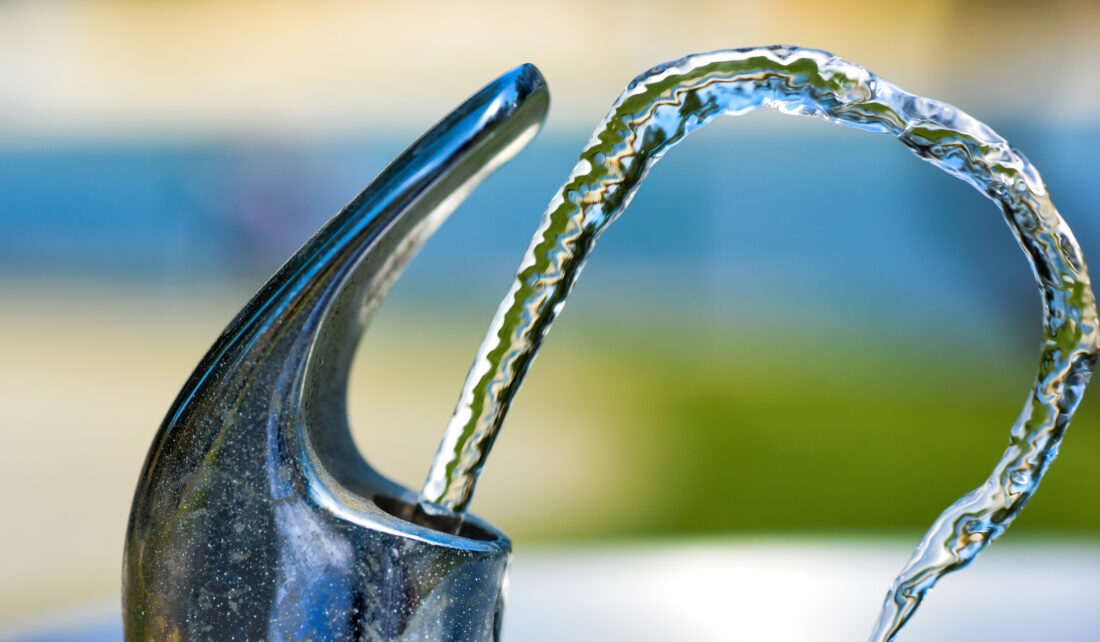
Water fountain

Illinois-Indiana Sea Grant, in partnership with Illinois’ Kane County, is offering a unique grant opportunity for communities to improve water use efficiency. Kane County communities can now apply for support through the new Water Conservation Technical Assistance Program.

This program was created to support communities and water suppliers in Kane County to take proactive steps toward water efficiency practices. The program encourages a wide range of projects—from developing comprehensive water conservation plans to exploring service-sharing initiatives. Communities should align their project proposals with specific local needs.

The 3−5 communities selected for the Water Conservation Technical Assistance Program will be provided:

  • Expert technical guidance and resources to implement water-efficient practices.
  • The freedom to propose projects that best suit the community’s unique requirements.
  • The opportunity to collaborate with like-minded communities and organizations dedicated to water conservation.

Projects will be selected in 2023 and will be implemented through 2024−25. No match is required, though a commitment statement of staff time and effort is recommended.

To apply or to find more information, visit the assistance program webpage. Communities and water suppliers are encouraged to submit applications by November 9, 2023 to ensure consideration.

IISG Instagram

Find us at Chicago Comic & Entertainment Expo, March 27–29! We’re linking Subnautica with Great Lakes science through fun, hands‑on activities about food webs, invasive species, and aquaponics.Come geek out with us! 🔗 in bio for event info
Coastal protection is not limited to concrete, rocks, and steel. Coastal protection solutions exist on a spectrum, ranging from softer “green” solutions to harder “gray” structures.Nature-based coastal solutions fall between green and gray techniques, providing multiple benefits to people and habitats.Our three-part video series, Nature-Based Coastal Solutions in the Great Lakes, is now available to watch. Learn how nature-based coastal solutions, including nature-driven and hybrid approaches, can protect shorelines while supporting ecosystems and communities.Watch the 3-part video series at the link in bio.(Photo credit: Liz Spitzer, Illinois State Geological Survey, Coastal Research Group)
Managers and researchers can be faced with a need to classify the risk of new crayfish invaders. Rapid assessment tools, such as the Science-based Tools for Assessing Invasion Risk (STAIR), can assist in this process by providing a streamlined framework for analysis and decision-making.Join us for an ICC webinar with John Bieber from Loyola University Chicago to learn how rapid assessment tools are used to classify invasive species risk and how STAIR can support invasive crayfish management.Learn more at the link in bio.