
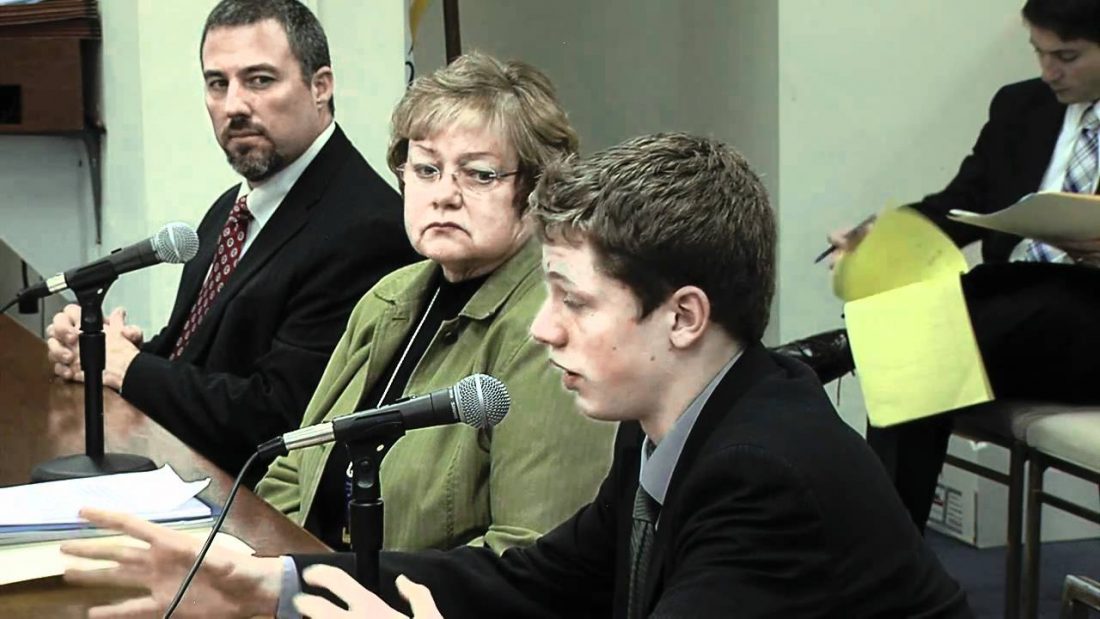
From the Bloomington Pantagraph:
A proposal pending in the state legislature may make it easier for police departments to pay for a prescription drug disposal program that began in Pontiac.
The Prescription Pill and Drug Disposal program, or P2D2, was launched about four years ago by students at Pontiac Township High School and their teacher, Paul Ritter. The program has spread to other communities and states.
Students were concerned that prescription drugs disposed of improperly, usually down household drains, were polluting groundwater.
High school students in Antioch heard about the program and brought the idea to state Rep. JoAnn Osmond, who is sponsoring a measure that will allow for the safe disposal of prescription drugs at local police departments. Read more.
IISG has worked closely with P2D2 to support medicine take back programs and develop curriculum collections–for example, the Medicine Chest–for high school teachers and students. Many of the activities in this collection help students learn how to raise awareness and take action in their communities. IISG does not engage in advocacy, rather we provide scientific knowledge on a number of water-related issues to a variety of audiences. The students who took part in the legislative hearing to fund medicine collection programs are learning how to affect change in their community by sharing their knowledge with decision makers. Here is a video of their experience.