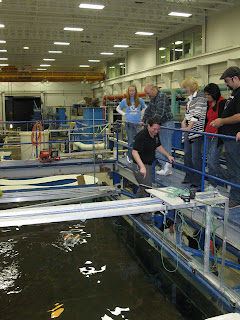
 SeaPerch, a program that brings underwater robotics to classrooms and demonstrates how they can be used for educational purposes, recently held a workshop at the University of Illinois Hydrosystems Laboratory. IISG’s Robin Goettel and Terri Hallesy were among the presenters and they shared a number of educational materials that teachers could combine with their classes’ underwater robots.
Thirteen Champaign-Urbana science teachers were in attendance to learn how to incorporate SeaPerch underwater robots into their classroom curricula. Coordinators from Naval Sea Systems Command – Crane STEM led the morning session to introduce the SeaPerch program, provide helpful tips for constructing the complimentary robot kit each teacher received, and discuss relevant resources for classroom use. Additional robots commonly deployed for scientific applications were also highlighted.
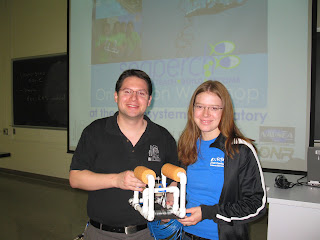 Over lunch, participants interacted with U of I graduate students in engineering to discuss research topics and applications for their in-class lessons. Robin and Terri shared educational resources including two COSEE Great Lakes curriculum collections, Greatest of the Great Lakes: A Medley of Model Lessons, and a Fresh and Salt activity, “I, Robot, Can Do That!”
During the afternoon session, a live demonstration of the SeaPerch robot was conducted and teachers had an opportunity to operate the SeaPerch robots in the large-scale laboratory facilities.
SeaPerch is a joint program of the Office of Naval Research and the AUVSI Foundation. Visit the SeaPerch homepage to learn more about bringing underwater robotics to the classroom, and for a calendar of upcoming workshops and events.
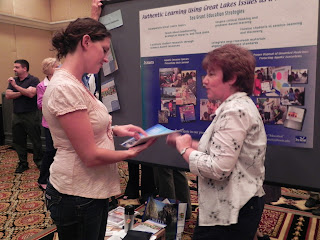 The Paul A. Funk Recognition Award provides a personal award to the winner as well as funds for their department to use in support of their work benefiting natural resources and human environmental systems.
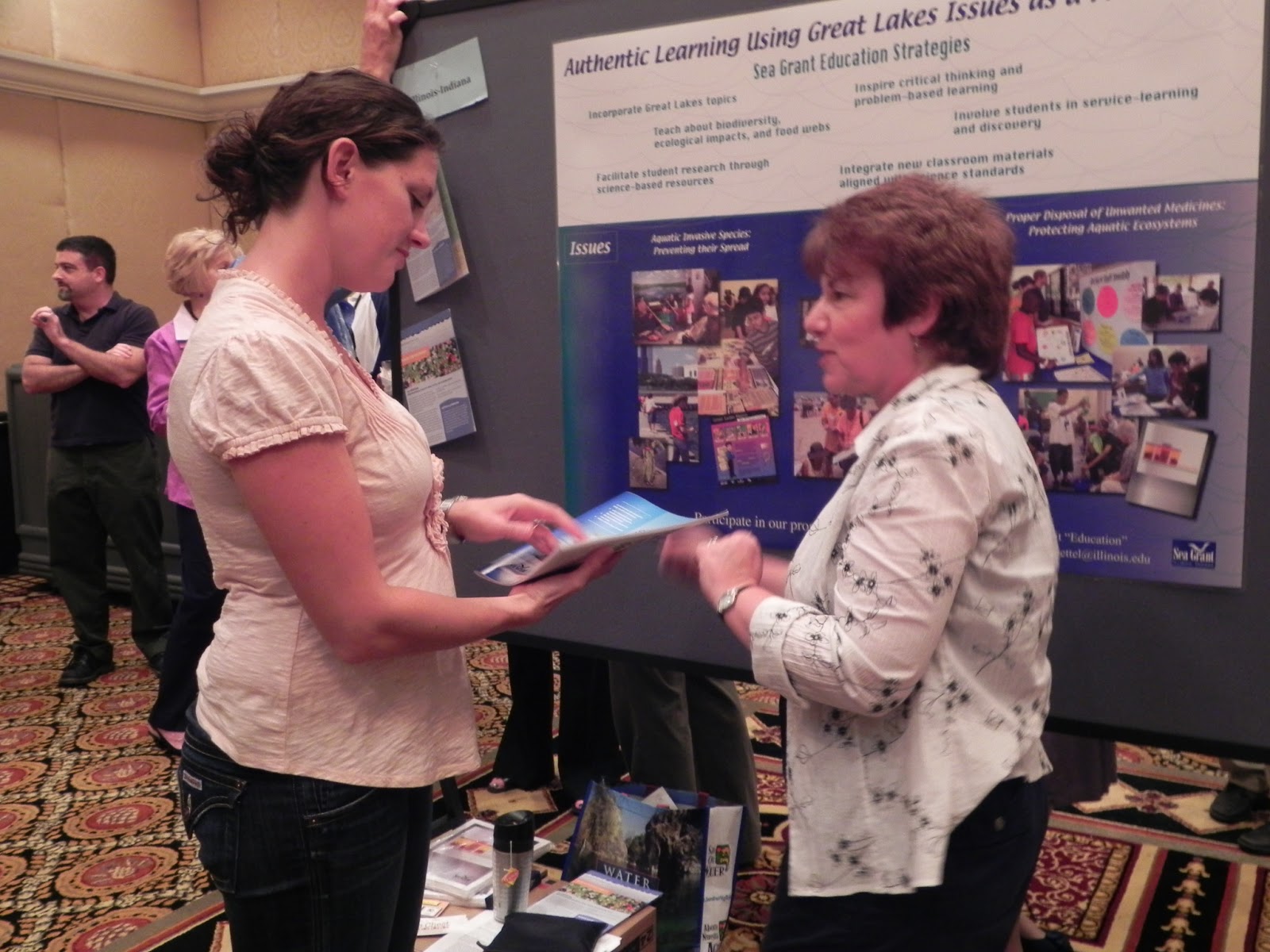
This year, Illinois-Indiana Sea Grant’s Robin Goettel won the award for her extensive educational outreach work, including the creation of numerous curricula for science teachers and others. In particular, the Fresh and Salt curriculum, the Greatest of the Great Lakes collection of model lessons, and The Medicine Chest have helped to inform, engage, and education over 100,000 students about environmental science related to the Great Lakes.
Robin isn’t afraid to get totally immersed in her environmental education work either, as this excerpt from her nomination proves:
“No description of Robin would be complete without a mention of Zelda the zebra mussel, a ‘spokesmussel,’ as Robin describes her. Zelda is a costume that Robin is not afraid to pull out at public events. While maybe not quite ready for Disneyworld, Zelda draws a crowd. People start with a laugh, are compelled to ask questions, and end up with a better understanding of invasive species for the unconventional approach.”
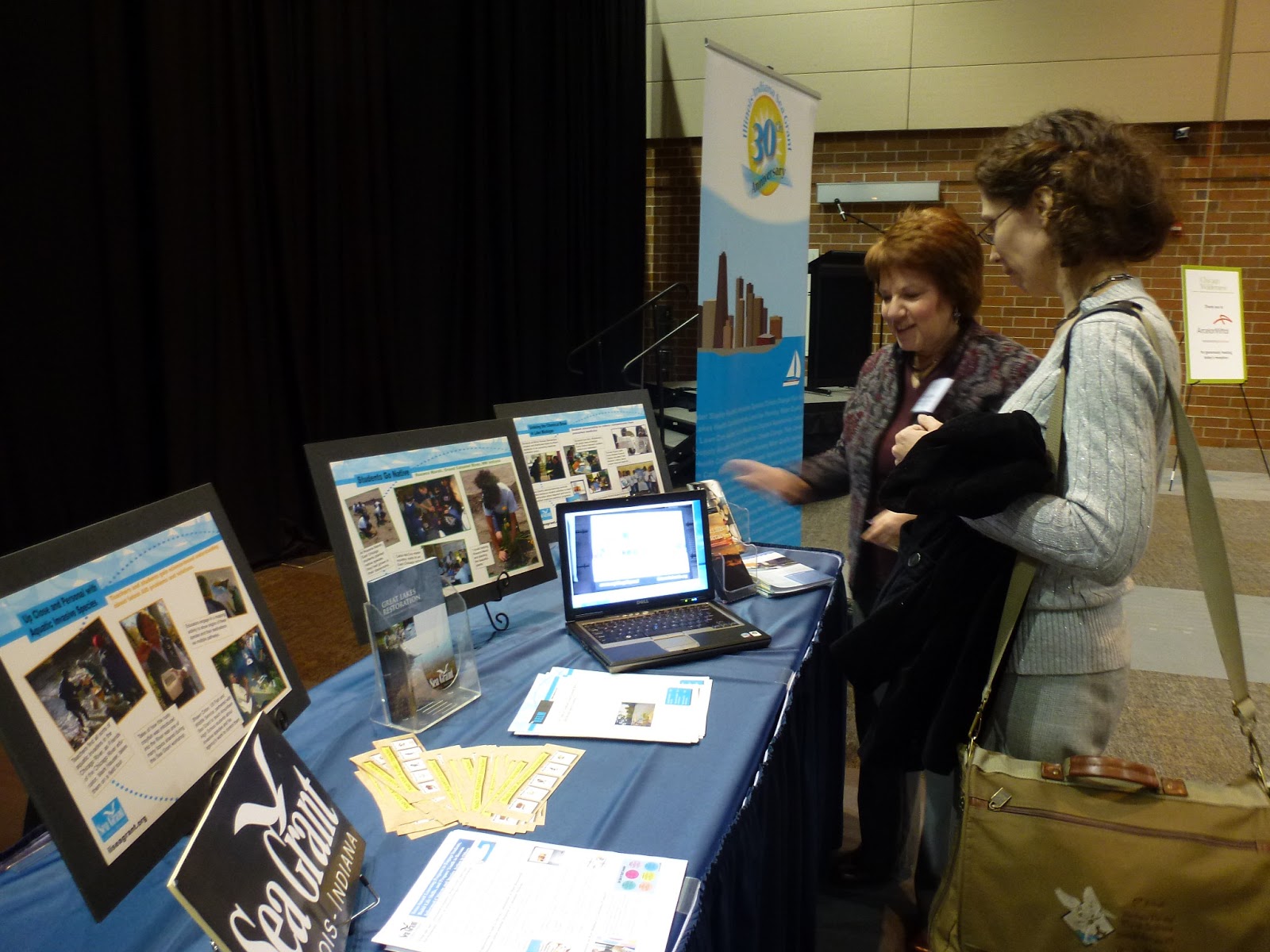
Those examples don’t begin to touch on the work that Robin has engaged in throughout her many years with the program–from direct engagement with students of all grade levels, to educational displays at some of the Midwest’s biggest events, to forging partnerships with other environmental organizations to better educate, inform, and engage people in protecting and preserving natural resources.

Robin’s many years of work on environmental issues, and her dedication to fostering ever higher levels of science education for students of all ages, make her a terrific and very deserving choice for this award.
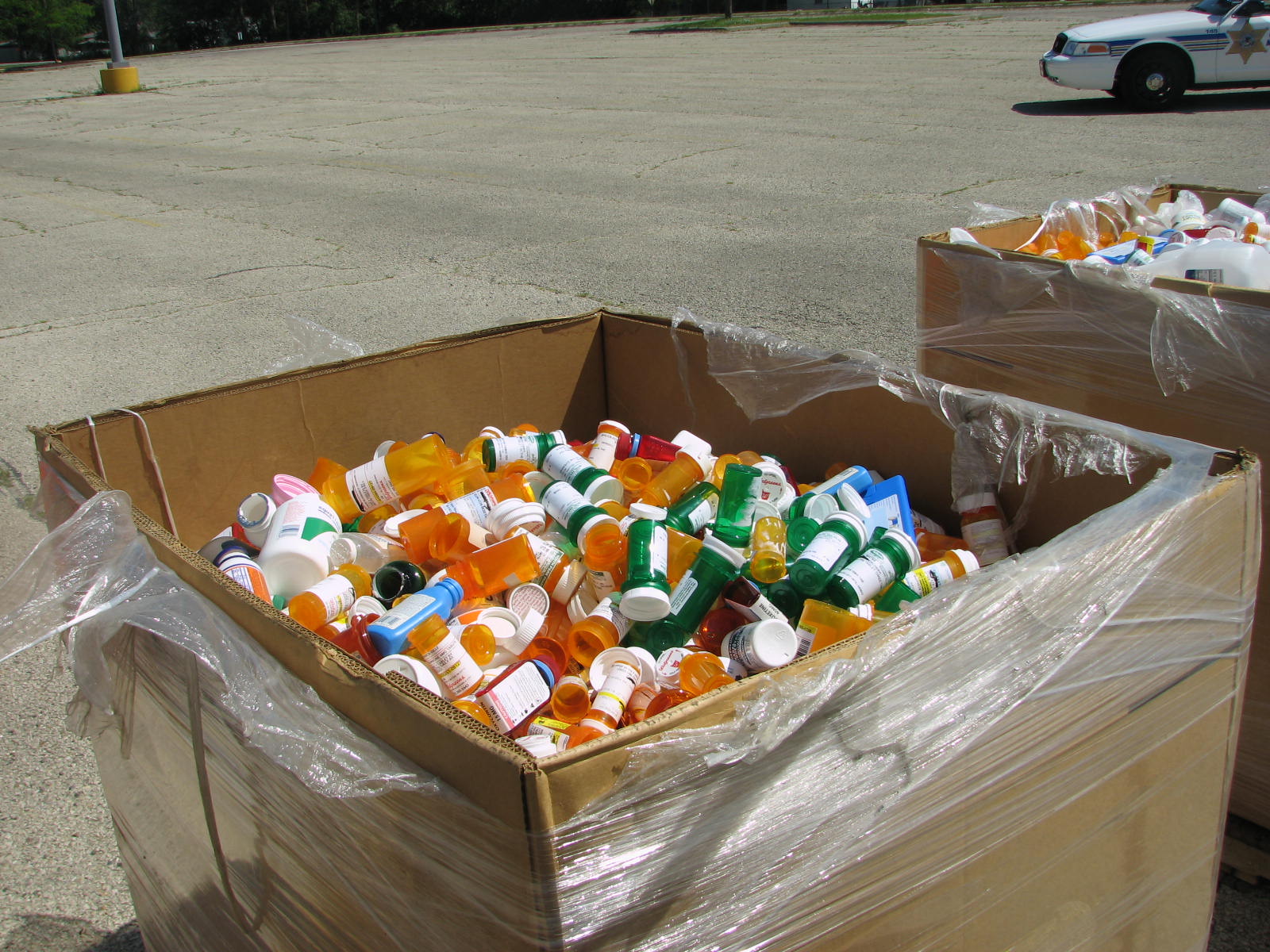
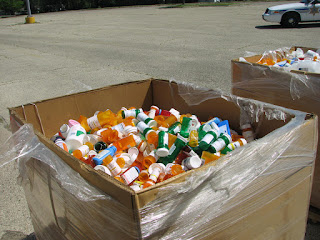 The Drug Enforcement Administration has published proposed regulations regarding the proper disposal of prescription pharmaceuticals and other controlled substances.
From the DEA’s release:
“This rule proposes requirements to govern the secure disposal of controlled substance medications by both DEA registrants and what the Controlled Substances Act refers to as “ultimate users” of these medications (patients and animals). The proposed regulations seek to expand the options available to collect these medications from ultimate users for the purpose of disposal, to include take-back events, mail-back programs, and collection box locations.”
The public comment period is open until February 19, and people can review the entire proposal online here.
For more information about why proper disposal of these substances is so important, visit our Unwanted Meds website.
The Chicago Metropolitan Agency for Planning (CMAP) was recently recognized with a National Planning Excellence award for their work developing GO TO 2040 – a comprehensive regional plan that unites and coordinates seven counties infrastructure development.
Illinois-Indiana Sea Grant’s Margaret Schneeman, who works directly with CMAP, was involved in the plan development and implementation, and Martin Jaffe served on the Regional Water Supply planning group. Their efforts, combined with the expertise and work of dozens of individuals and agencies, resulted in the completion of the regional plan that will enhance sustainable development and planning throughout 284 communities in and around the Chicago area.
The summarized plan can be read here, and you can visit the GO TO 2040 link above to read the complete plan.
The American Planning Association awards programs, individuals, and agencies that utilize and implement planning techniques designed to create more sustainable communities. Visit the National Planning Awards 2013 webpage to see the complete list of award winners, including information about the GO TO 2040 plan.
You can also visit our Water Supply page to learn more about the importance of planning on water quality, safety, and availability.
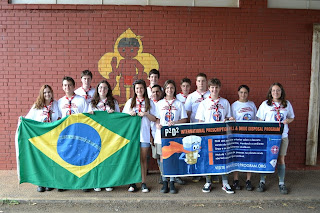 The National Prescription Pill and Drug Disposal program (P2D2) has had a great deal of success lately. After placing third in the international Volvo Adventure Award competition, the program partnered with the second place winners of the Volvo competition to start a P2D2 program in Erechim, Brazil. The P2D2 program began in 2008 as a collaborative effort between local pharmacies, law enforcement agencies, officials, and Pontiac Township High School students in Paul Ritter’s Ecology class and Eric Bohm’s Illinois Studies class.
The P2D2 program’s mission is to educate the public about the harm done to the environment due to current drug disposal practices and to provide communities with an alternative disposal approach that ensures the quality of water for future generations. Their good idea has quickly caught on; the P2D2 program is now available in more than 54 counties in Illinois, 21 other states, and now goes international with the addition of the Brazil P2D2 program coordinated by Paul Hubner.
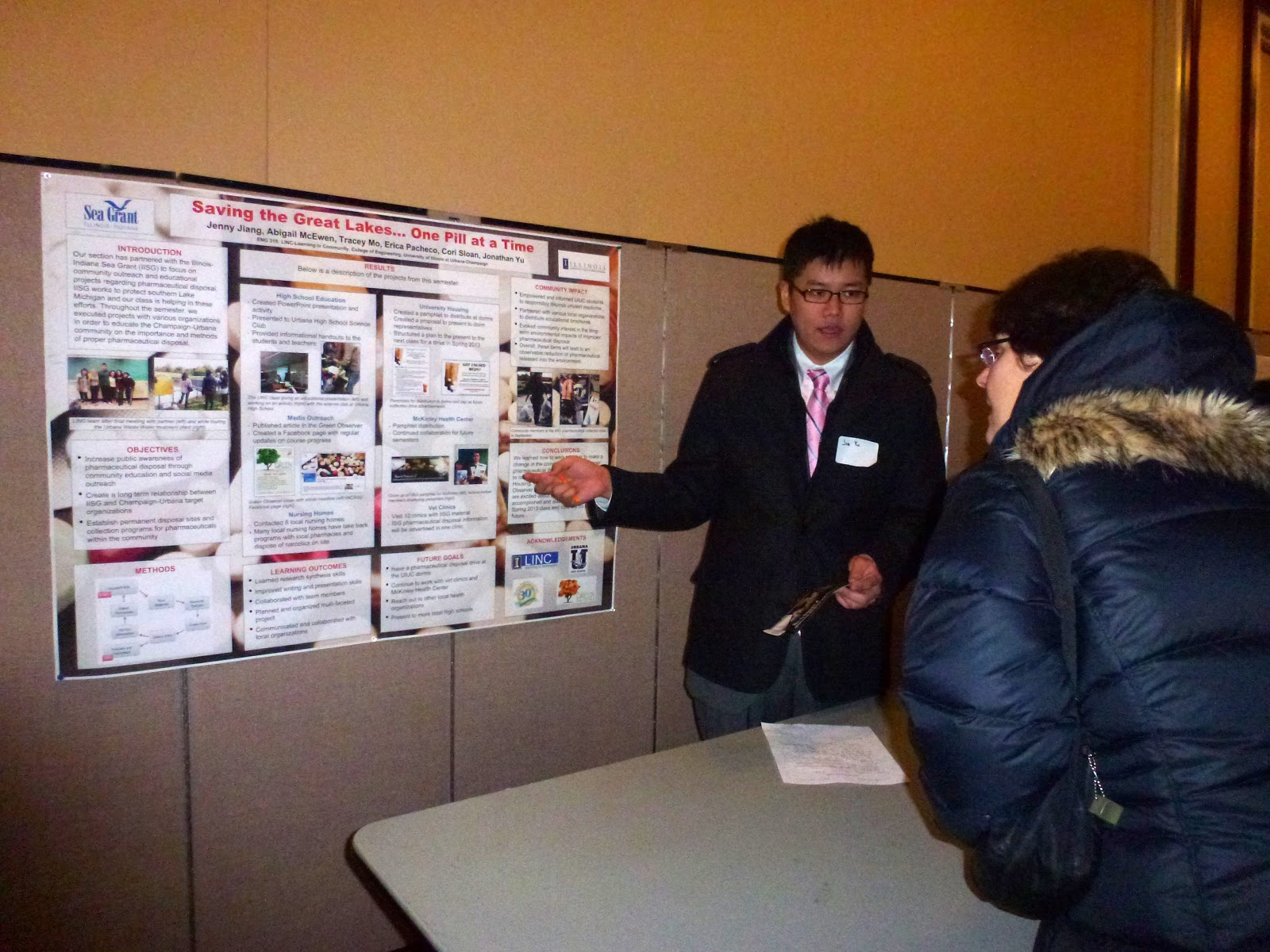
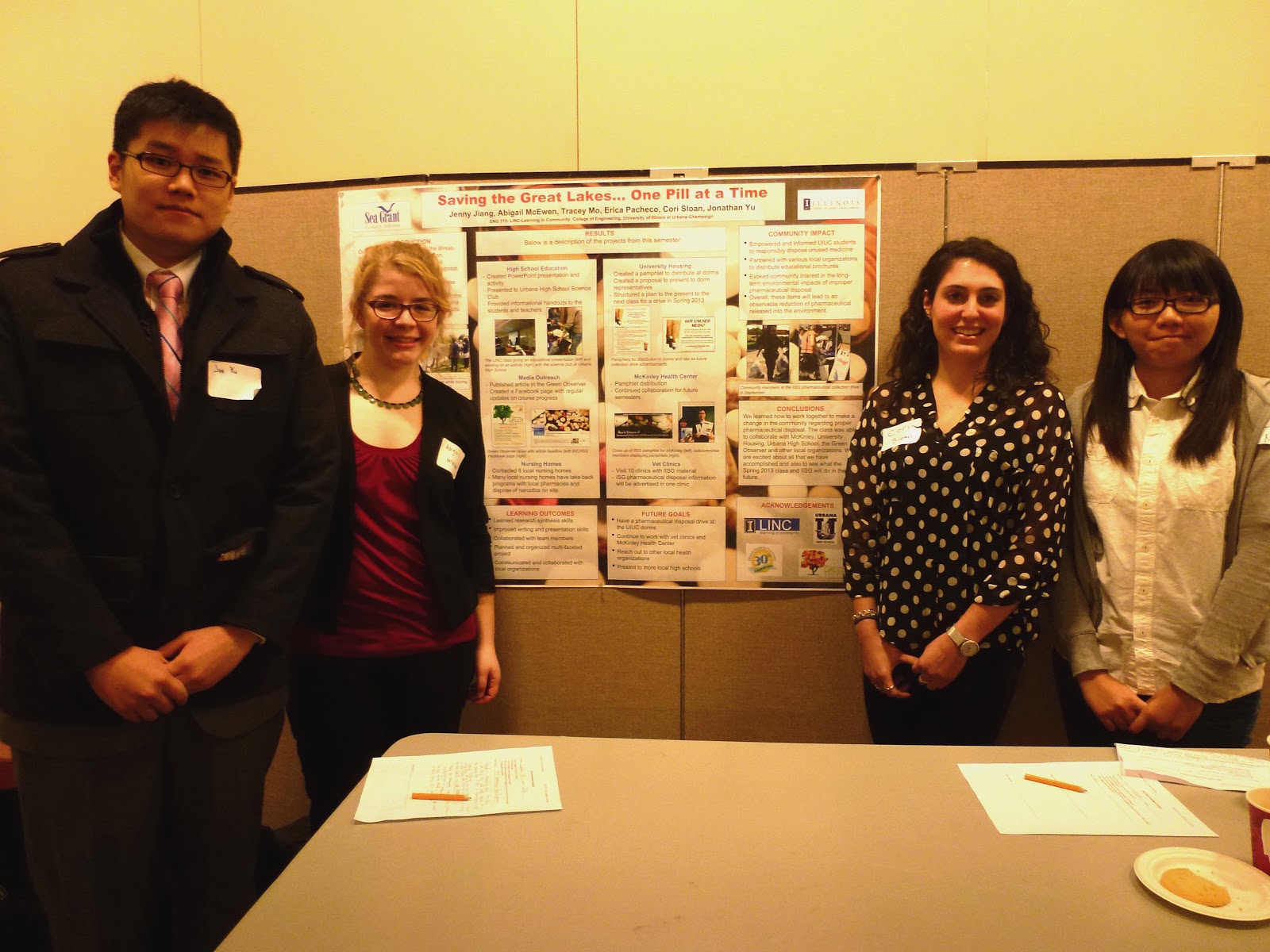
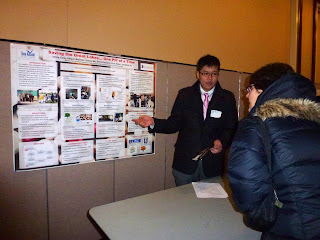 The University of Illinois’ Learning in Community (LINC) program provides service-learning opportunities for students to gain hands-on experience in a variety of fields while earning course credit towards their degree. The program also gives various departments and units at the University a chance to expand their mission and get students involved in critical issues.
 This past fall term, the LINC Program offered a Sea Grant-focused course for eight University of Illinois students where they learned about environmental threats to local and regional waterways. They designed and executed projects based on what they had learned about proper disposal of unwanted medicines.
At the conclusion of the course, students developed five activities focused on water issues, informing a larger audience about their importance and local impacts.
The projects included:
– A presentation and activity for Urbana High School’s science club students
– An article in the Green Observer and accompanying Facebook page about the importance of proper disposal of pharmaceuticals
– Placement of brochures at the McKinley Health Center in coordination with the Directors of Health Education and the Pharmacy
– A plan to spread the message about proper medicine disposal at student dormitories and to involve students in medicine collection events in 2013
The course and projects that resulted informed current University of Illinois students about important environmental issues, while giving them experience collaborating with each other, working with local organizations and businesses, and performing outreach to share the information they learned with residents of Champaign-Urbana.
A new law set to take effect in Illinois this year is aimed at helping to curb the spread of aquatic invasive species throughout Illinois’ waterways.
From WBEZ 91.5:
“The agency has targeted 39 other plant and animal species as “high-risk” threats to the Great Lakes region. Now, the state of Illinois is hoping to put a dent in the critters’ spread with a law aimed at boaters.
The new state regulation, which goes into effect at the start of 2013, makes it illegal for a boat in one river or lake to pick up plants and then go into another body of water — at least without being cleaned first.”
Read more and listen to the radio segment about the new law at the link above.

 SeaPerch, a program that brings underwater robotics to classrooms and demonstrates how they can be used for educational purposes, recently held a workshop at the University of Illinois Hydrosystems Laboratory. IISG’s Robin Goettel and Terri Hallesy were among the presenters and they shared a number of educational materials that teachers could combine with their classes’ underwater robots.
  Over lunch, participants interacted with U of I graduate students in engineering to discuss research topics and applications for their in-class lessons. Robin and Terri shared educational resources including two COSEE Great Lakes curriculum collections, Greatest of the Great Lakes: A Medley of Model Lessons, and a Fresh and Salt activity, “I, Robot, Can Do That!”