
aquaponics

What do you get when you combine an aquarium, a greenhouse, and a fish farm? The answer is aquaponics.

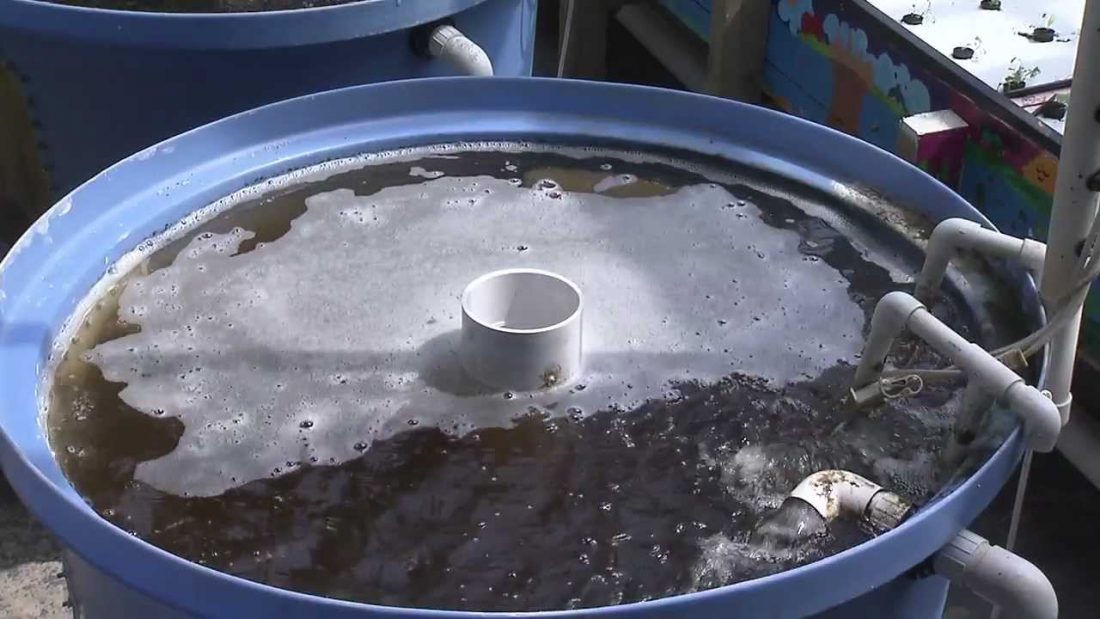
Aquaponics is the process of operating fish farming and hydroponic plant farming in a contained system where the water is circulated, filtered, and reused between both. Here’s how it works. The water in the fish tanks builds up waste that need to be filtered out to keep the fish healthy. But this waste can actually provides nutrients for plant growth so in an aquaponic setup, that water is used to hydroponically grown plants. The plant roots filter the water by taking up and using these valuable nutrients. By circulating the water through the system in this way, both the plants and the fish benefit, and the water is reused. The system also provides a natural environment where vegetables, herbs, and fish are all raised organically.

For a great explanation of the process, as well as a tour of what an aquaponic system can look like, watch this video.

If you would like to learn more about aquaponics, contact IISG Aquaculture Marketing Specialist Kwamena Quagrainie.


IISG Instagram

A flooded street isn't just a local problem. When roads flood, the ripple effects reshape how an entire city moves, and IISG grad student scholar, Tianle Duan, is building the tools to track it in real time.Using remote sensing, aerial imagery, and AI, this Purdue PhD student maps flood impacts on road networks so first responders and city officials can act faster and smarter.🔗 Learn more about Tianle’s research at the link in bio.
Teaching plastic pollution? There’s more to it than the 3 Rs. @NAAEE’s Plastics eeResearch collection pulls together six studies on how to meaningfully educate students, from preschool through middle school, about plastic pollution.Research-backed, classroom-ready, and free to access.🔗 Link in bio📷 Photo credit: NOAA#TeachingTuesday #PlasticPollution #EnvironmentalEducation
Summer on Lake Michigan is the best, and a little prep makes it even better. 🌊☀️Dangerous currents near piers and breakwalls surprise even strong swimmers. Here's what to know:✅ Swim in designated areas↔️ Caught in a current? Swim to the side — not against it — then to shore🆘 In danger? Call for a life ringSave this post and share it with your swim crew. 👇More Lake Michigan safety resources: link in bio 🔗