Last month, IISG’s Caitie McCoy held a workshop for teachers in the Buffalo River area of New York to debut a new curriculum, “Helping Hands: Restoration for Healthy Habitats.” This latest edition is specific to the Buffalo River area of concern, and offers a direct link to important environmental projects that are taking place in the students’ community.
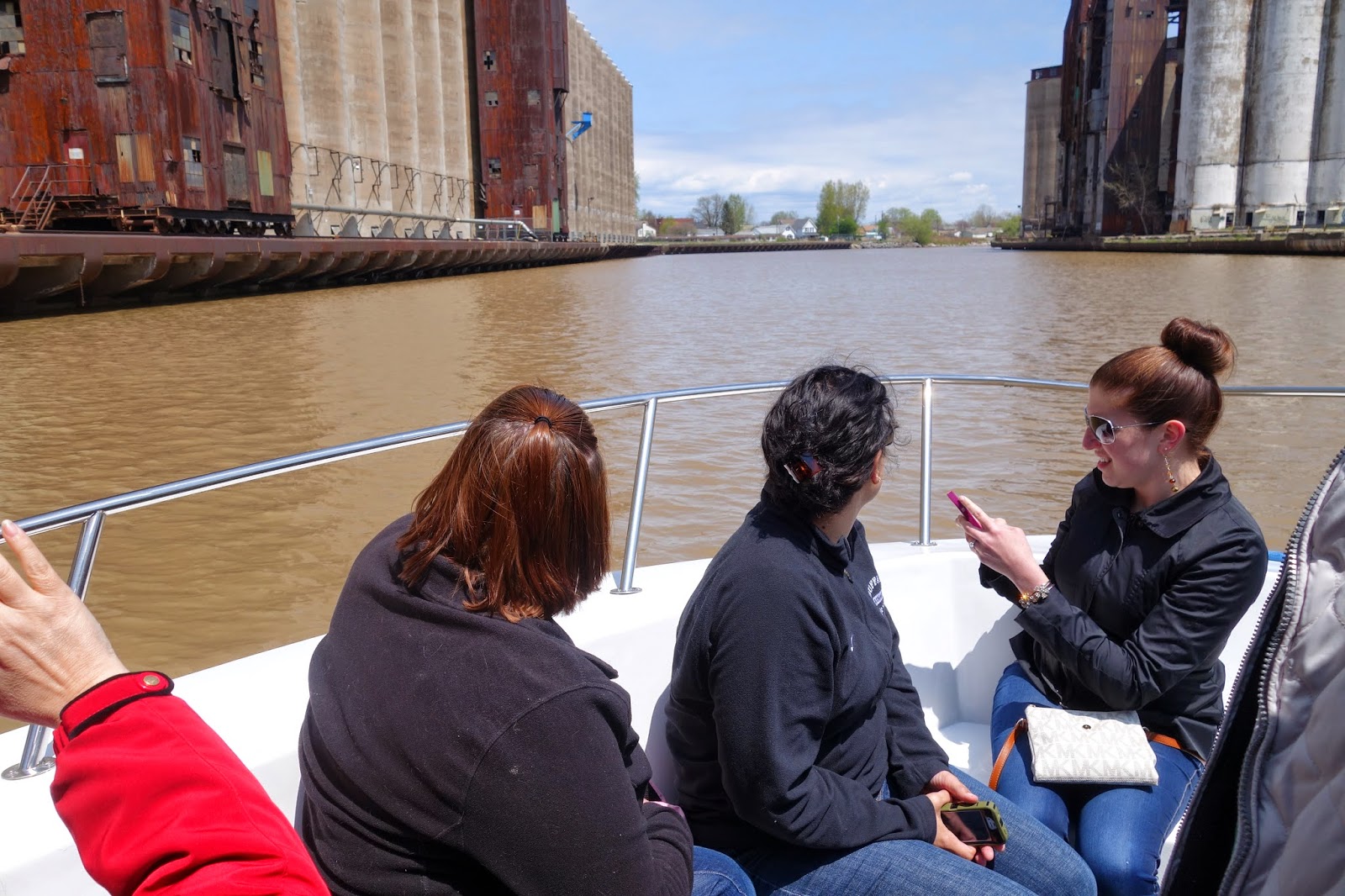 The Great Lakes Legacy Act remediation project on the Buffalo River resumed June 16, and will remove 500,000 cubic yards of contaminated sediment from the river, then replace native aquatic plants to help restore the local ecosystem.
18 teachers from grades 4-11 attended the workshop to learn more about the restoration project and the curriculum, and were treated to hands-on activities and a tour of the river area to help bring the project and its impacts into their classes.
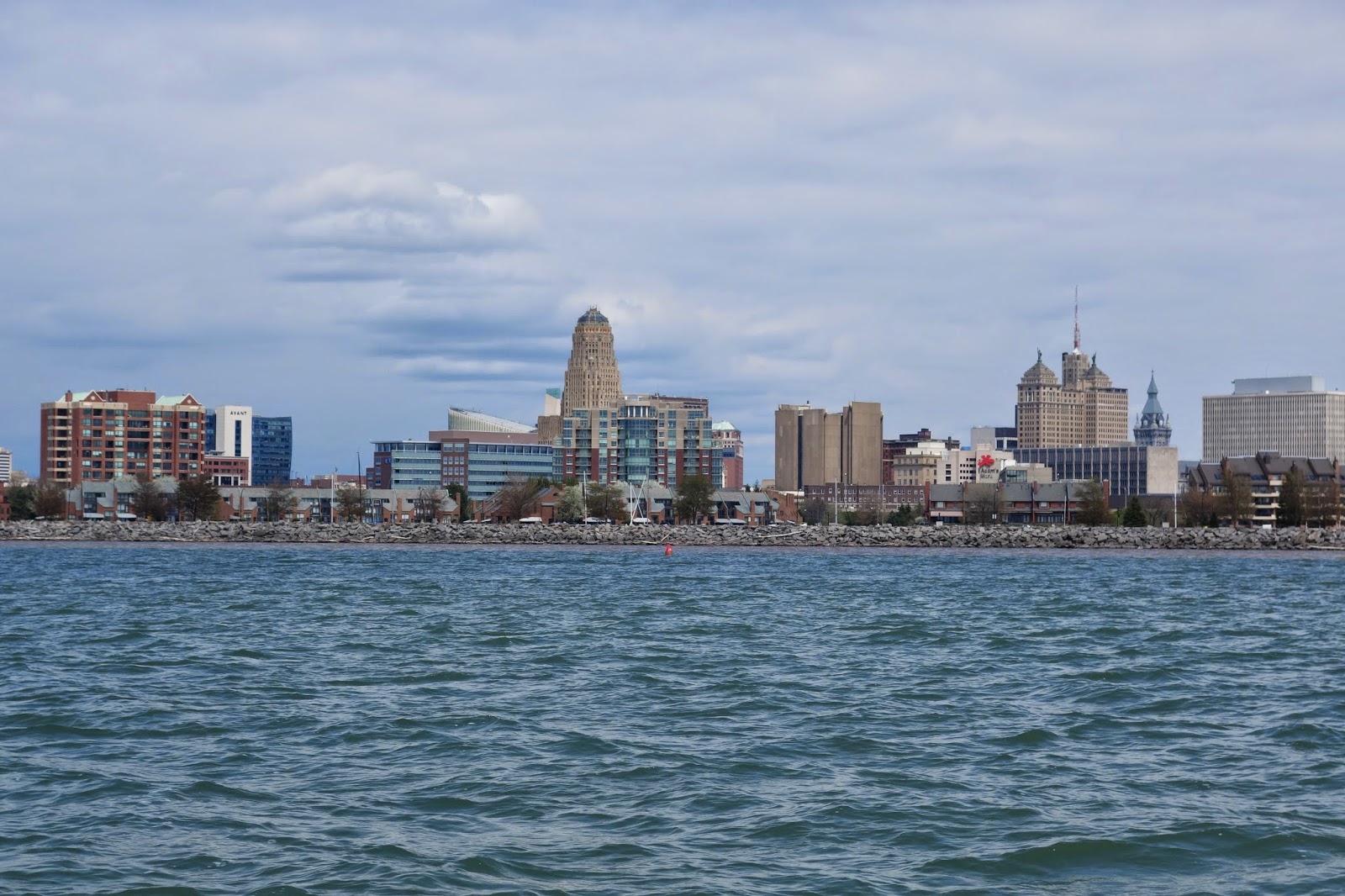 “It’s great to see so many educators come out to this kind of workshop,” Caitie said. “Many teachers want to incorporate place-based learning in their science curriculum, but may lack resources to do so. Now instead of using distant examples like rainforests to teach science, they can use their neighborhood rivers and lakes. These are places that students can visit and experience the science in person. They develop a love for these places and want to protect them.”