
Invasive species, as you probably know, can have devastating effects when they take hold. They can negatively impact, and in some cases permanently alter, entire ecosystems, disrupting industry and tourism, and affecting home and business owners near those areas.
 
With summer on the way, there’s no better time than now to spread the word about invasive species and how we can stop them. And that is why May is Illinois Invasive Species Awareness Month. 
 
There’s a website with links and information about invasive species in Illinois, as well as a Facebook page for Illinois Invasive Species Awareness Month. Educational materials, tips on what you can do to stop invasive species, and a media tool kit are just some of the things available.
 

Now is the perfect time to get people involved in the work of preventing the damage they can do right here in Illinois.
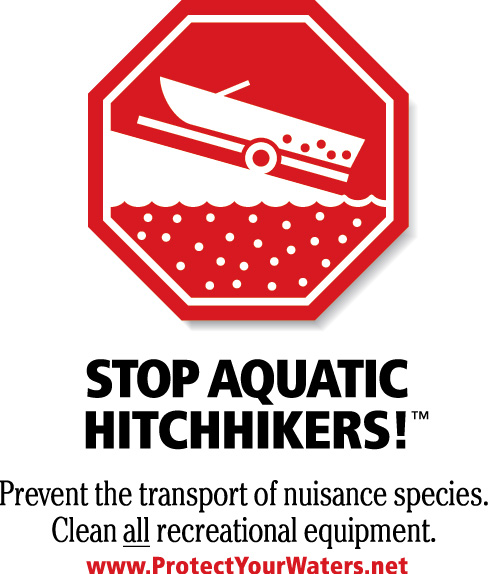
In addition to the links above, don’t forget to visit our Clean Boats, Clean Waters web page for simple and useful ways that boaters can join in the fight to prevent invasive species from spreading. You can also find information on how to volunteer for our Clean Boats Crew and provide in-person advice and tips at local boat ramps and marina. 
IISG Instagram

Looking for a fun way to teach about marine debris? Check out Me and Debry, which is a whimsical, 30‑minute, audience‑participation play created for @UWiscSeaGrant. It helps students explore what marine debris is, why it matters, and how we can make a difference in the Great Lakes.The full script (English) and participation scripts (English, Spanish, and Hmong) are free to use, along with marketing materials for performances.Bring learning to life and start a conversation about litter in our waters!Check it out at the link in bio.#TeachingTuesday
Do you work or live along the Great Lakes coasts? Watch our newly released video series collection, containing several short videos that overview the range of coastal protection options in the Great Lakes, including:- Natural processes in the Great Lakes- Hard coastal protection structures and how they interact with/alter natural processes- Nature-based coastal solutions in the Great Lakes, ranging from green to gray approachesFind our two new video series at the link in bio.
Located in Washington, D.C., the Sea Grant Knauss Fellowship provides a unique educational and professional experience to graduate students who have an interest in ocean, coastal and Great Lakes resources, and in the national policy decisions affecting those resources. This is a one-year fellowship open to any student, regardless of citizenship, who is enrolled toward a degree in a graduate or professional program on the day of the deadline.Students enrolled at an Illinois or Indiana university or college should submit their applications through Illinois-Indiana Sea Grant by emailing Angela Archer at amcbride@purdue.edu. Students in surrounding states without a Sea Grant program should contact the National Sea Grant College Program at oar.sg.fellows@noaa.gov for a referral. Application deadline: June 3, 2026.To learn more about the fellowship, visit the link in bio.
