
Posted July 15th, 2010 in Great Lakes Cleanup, News
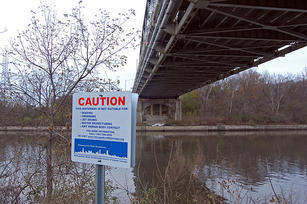
Leslie Dorworth, IISG aquatic ecology specialist has written several articles for Grist magazine about the Grand Calumet River. This one describes how things got so bad for this polluted waterway:
The Grand Calumet River is about 13 miles long and flows through one of the most industrialized areas in the United States. At one time, the river’s branches and tributaries flowed throughout northwest Indiana and supported globally unique fish and wildlife. Today, thanks to being moved and manipulated by humans over the years, the Calumet river system is one of the smallest watersheds in the region, and there are stretches of river that support nothing but sludge worms.
How did this happen? Two words: people and industry. Read more.