
Posted July 30th, 2014 in Aquatic Invasive Species, Education
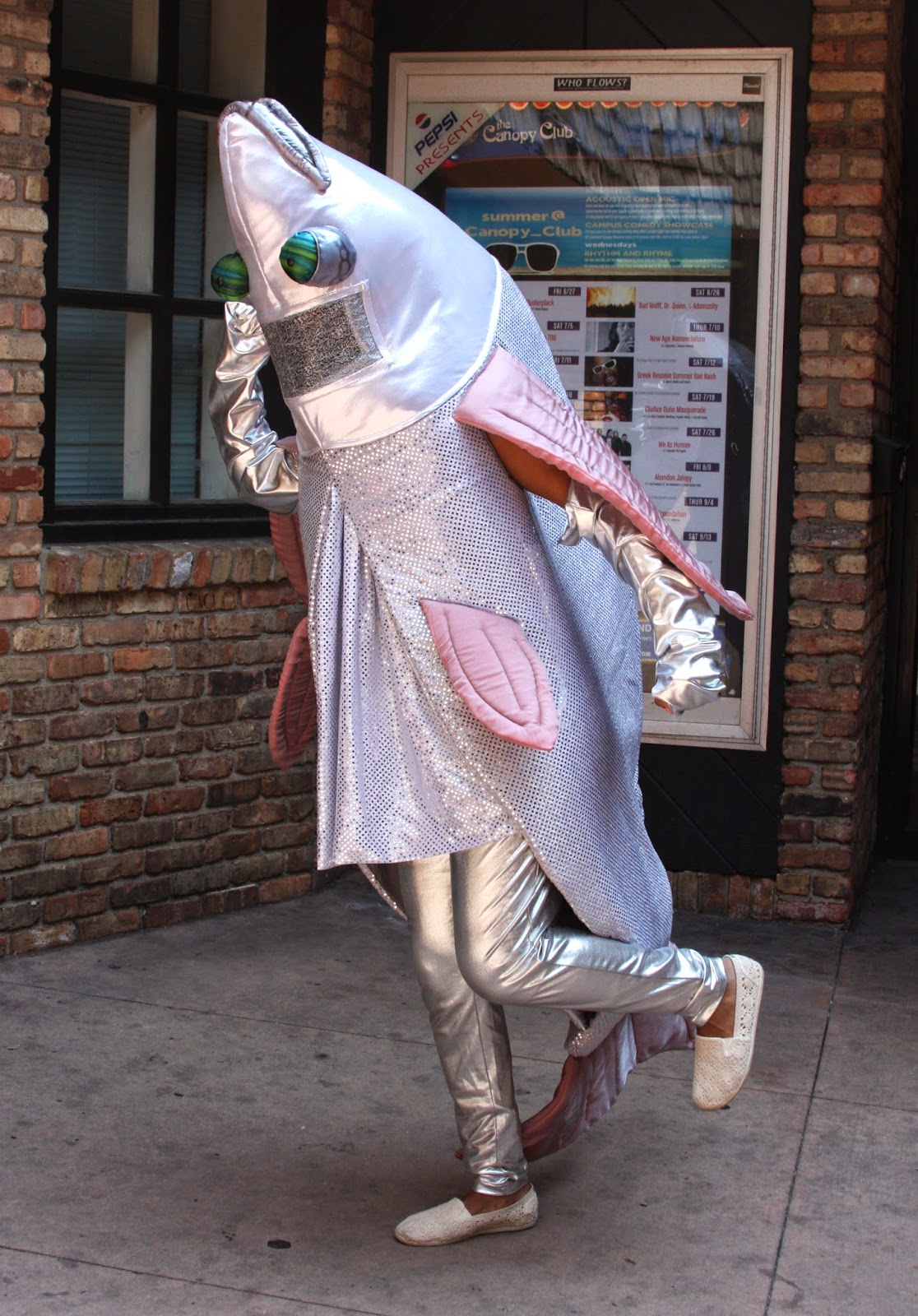 Jumpin’ Jack, the silver carp sensation known for his glam look and high-flying stage tricks, will join Lady Quagga on tour of schools and public events starting this month.
Despite differences in their history and style, the two have been dubbed a ‘captivating duo’ by many critics. Several experts have also commended the “spokes-mussel” and “flying fish” for dedicating their tour to spreading the word about the risks of aquatic invasive species and how people can help prevent their spread.
Jumpin’ Jack, along with his cousin bighead carp, initially came to the U.S. in the 1970s to help control algae growth in aquaculture and municipal wastewater treatment plants. They soon moved to nearby lakes and rivers and are now a common sight on major rivers like the Illinois and Mississippi. Together, these Asian carp have knocked back plankton populations, crowded out native species, and seriously injured boaters.
In addition to traveling with Lady Quagga, Jumpin’ Jack is also booking independent appearances. Contact his manager, Terri Hallesy, for more information.




