Posted February 28th, 2014 in
Fellowships,
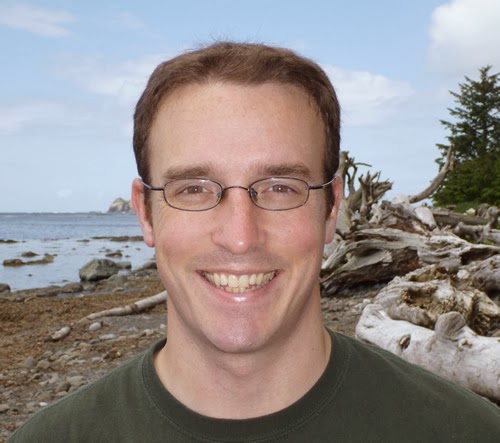
Program Will Tyburczy’s Knauss fellowship may be over, but his time at NOAA headquarters is not. The IISG-funded fellow will stay with the Office of Program Planning and Integration for another six months to continue some of the work he began as a Knauss Fellow. Please visit the IISG Fellowship page for more information about the Sea Grant Knauss fellowship as well as other fellowship opportunities.
A Ph.D. candidate at University of Chicago, Will spent the bulk of the last year helping NOAA’s Regional Collaboration Network coordinate the work of NOAA’s five main offices—Weather Service, Fisheries Service, Satellite and Information Service, Ocean Service, and Oceanic and Atmospheric Research. The efforts of these offices often overlap on major issues like climate change, habitat conservation, and emergency response. It was Will’s job, along with the other network members, to find opportunities for collaboration and help NOAA make progress on these issues. He also served as a liaison between NOAA regional staff and organization leaders, ensuring that each group had the information and resources they need to effectively meet program goals.
“It was challenging at times,” said Will. “Sometimes it feels like people are talking past each other and you just aren’t making progress. But we have great people who share a lot of the same goals. It is very satisfying to help them work together to meet those goals.”
But one of the highlights of the fellowship involved a very different kind of coordination. Will organized the fall edition of Earth Science Monitor, a bi-annual publication that reports on NOAA environmental data and programs. He worked closely with representatives from the network’s eight regions to develop articles showing what NOAA is doing to address environmental issues in each region. He also worked with NOAA head Jane Lubchenco on the lead article.
Even after he leaves NOAA, Will hopes to continue working at the nexus of science and policy, translating scientific findings into actionable policy advice. And he has advice for others who think they might be interested in doing similar work: “Apply for the Knauss fellowship. It is a great program.”