
Our education team is at it again! Allison Neubauer wrote in with this exciting announcement:
 Teachers across the Great Lakes region—have we got a treat for you! You can now explore creative projects from all-star educators to spark new ideas and read important tips for getting your students involved in the effort to “nab” local aquatic invaders.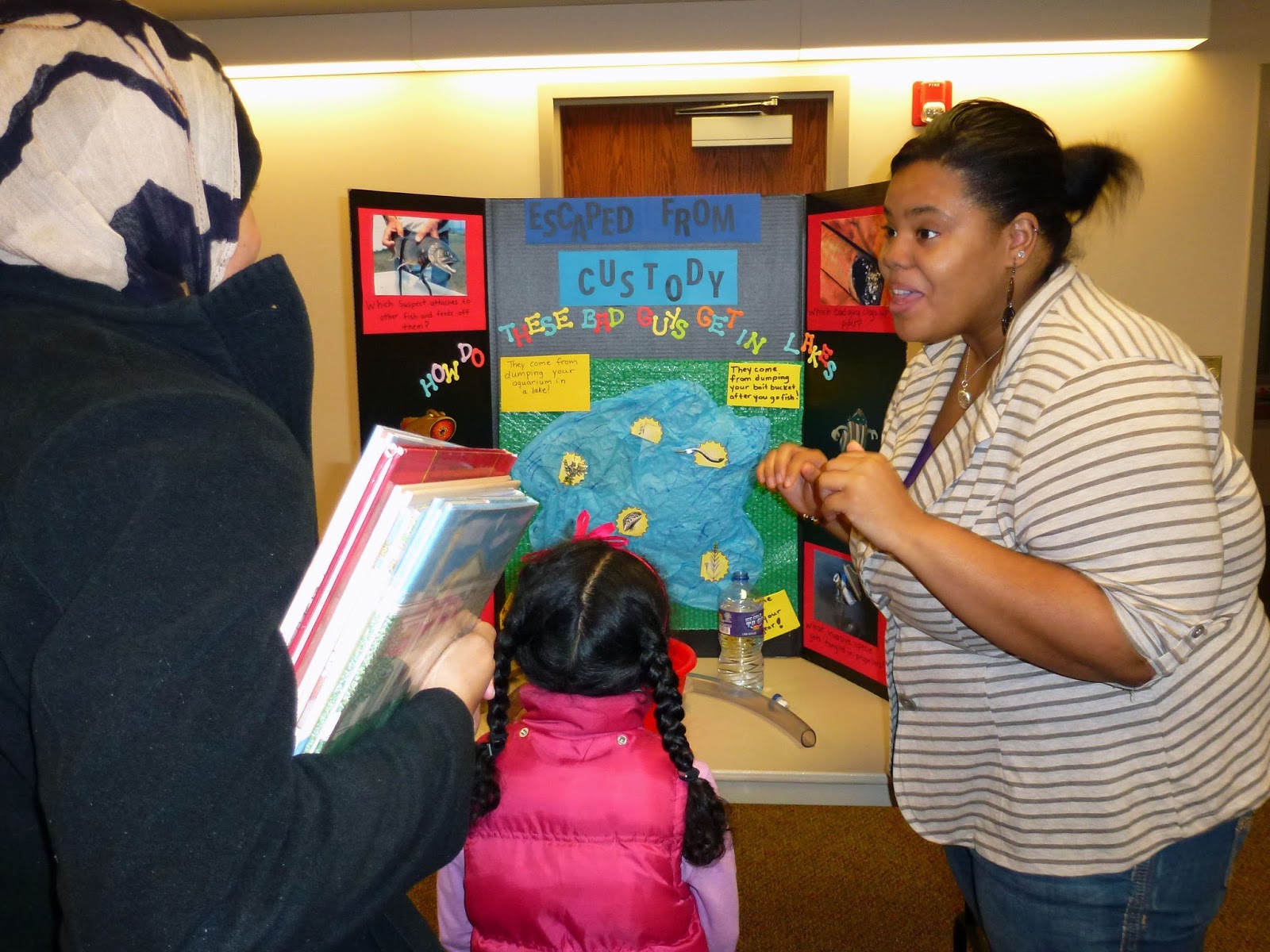
Community stewardship projects like the ones highlighted here are an exceptional tool for pushing students beyond rote memorization and providing them with an opportunity to apply their knowledge in ways that have positive impacts on their communities.
Preview outstanding examples of student work, ranging from fun informational activity books to catchy musical compilations. When you’re done perusing, read the summary reports written by the teachers responsible for these successful activities for information on how to plan and implement similar projects in your own classroom.
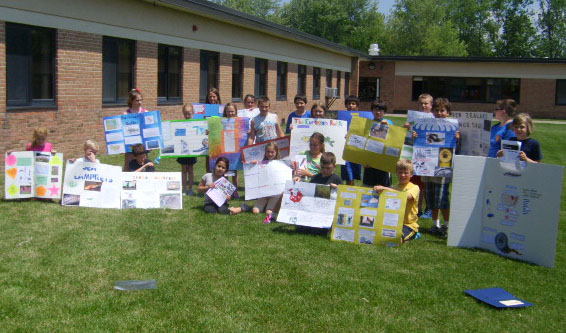
The Nab the Aquatic Invader! website is the place for the latest and greatest invasive species project models, information, and activities.