File Type: pdf
File Size: 18.00 MB
File Size: 18.00 MB
This publication brings together program impacts from the 2018-2019 Sea Grant year.
 Sea Grant Illinois-Indiana
This publication brings together program impacts from the 2018-2019 Sea Grant year.
The role of the Cooperative Science and Monitoring Initiative (CSMI) is to provide enhanced monitoring and research activities that provide relevant information to address the science priorities of the Lake Partnerships (established under the Lakewide Management Annex of the 2012 Great Lakes Water Quality Agreement) across the Laurentian Great Lakes. The Lake Michigan Partnership, a collaborative team of natural resource managers led by the U.S. Environmental Protection Agency with participation from federal, state, tribal, and local governments or agencies, uses the information collected through CSMI to help develop long term ecosystem-based management strategies for protecting and restoring Lake Michigan’s water quality. On a practical level, CSMI is an intensive effort to collect information on the health of each lake, rotating to one Great Lake each year. In 2015, it was Lake Michigan’s turn. This is an executive summary of the 2015 research results and the associated white paper containing more specific information.
Invasive crayfish pose a substantial threat to aquatic habitats in the Great Lakes Region because of their ability to reduce habitat quality and dramatically alter aquatic food webs. Currently, efforts to prevent the introduction and spread of invasive crayfish consist largely of reducing the size of existing populations and encouraging people to refrain from releasing crayfish into new bodies of water. The ICC focuses on improving upon our collective management and outreach capabilities.
For more detailed information, visit Invasive Crayfish Collaborative
This booklet describes some of Illinois-Indiana Sea Grant’s success stories from 2017.
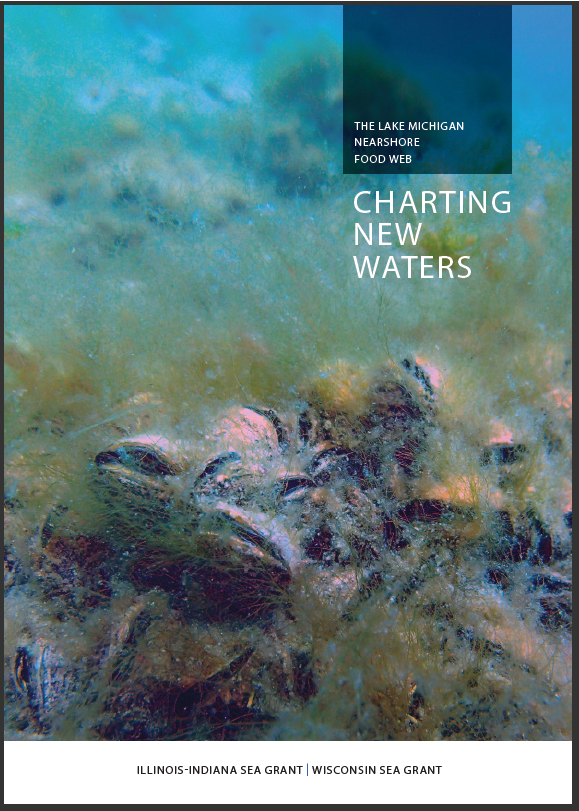
What are the most critical concerns facing Lake Michigan? The Great Lakes Regional Research and Information Network (GLRRIN) Lake Michigan team set out to answer this question by bringing together more than 50 government and academic researchers over several meetings to share what’s known, what isn’t, and what information would be most valuable to inform resource managers and others interested in the health of the lake.
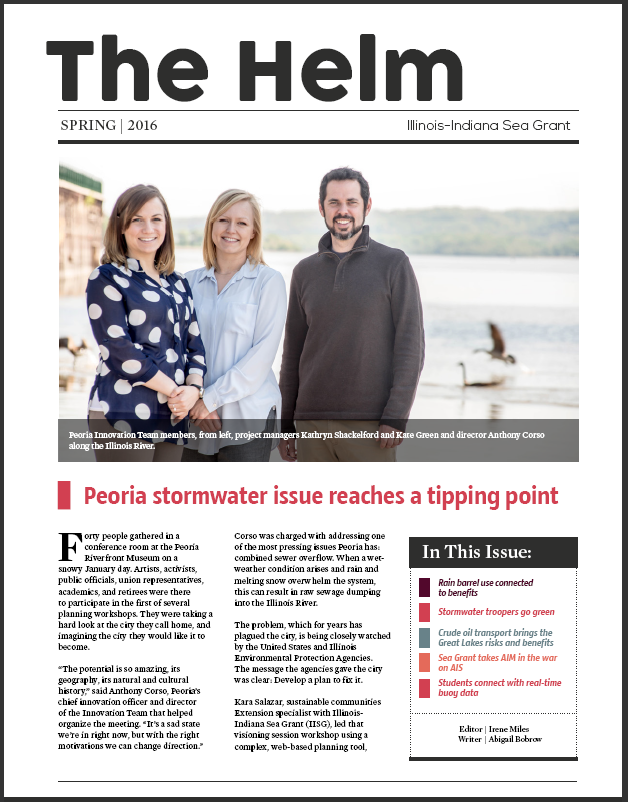
Feature Headlines
This website provides you with the information and tools needed to help prevent the spread of aquatic invasive species commonly found in trade. Water gardeners, aquarium hobbyists, retailers, anglers, teachers, wholesalers, and more can use these resources to learn about invasive species and identify alternative organisms that are safe to buy and sell.
For more detailed information, visit Aquatic Invaders in the Marketplace

Overview of funded research in Illinois-Indiana Sea Grant in 2016

This brochure provides information about common non-native animal species sold in the aquarium and nursery trades, as well as tips for preventing their spread into native ecosystems.