
File Size:
This website chronicles sediment cleanup by the U.S. Environmental Protect Agency and partners in targeted Great Lakes Areas of Concern.
For more detailed information, visit Great Lakes Mud

This website chronicles sediment cleanup by the U.S. Environmental Protect Agency and partners in targeted Great Lakes Areas of Concern.
For more detailed information, visit Great Lakes Mud

This report discusses community attitudes toward ongoing Great Lakes Legacy Act cleanup efforts in Milwaukee County’s Lincoln Park and provides recommendations for future GLLA outreach and community stewardship of the park.

This report discusses stakeholder perceptions of the Detroit River’s Trenton Channel and attitudes toward a cleanup plan proposed under the Great Lakes Legacy Act.

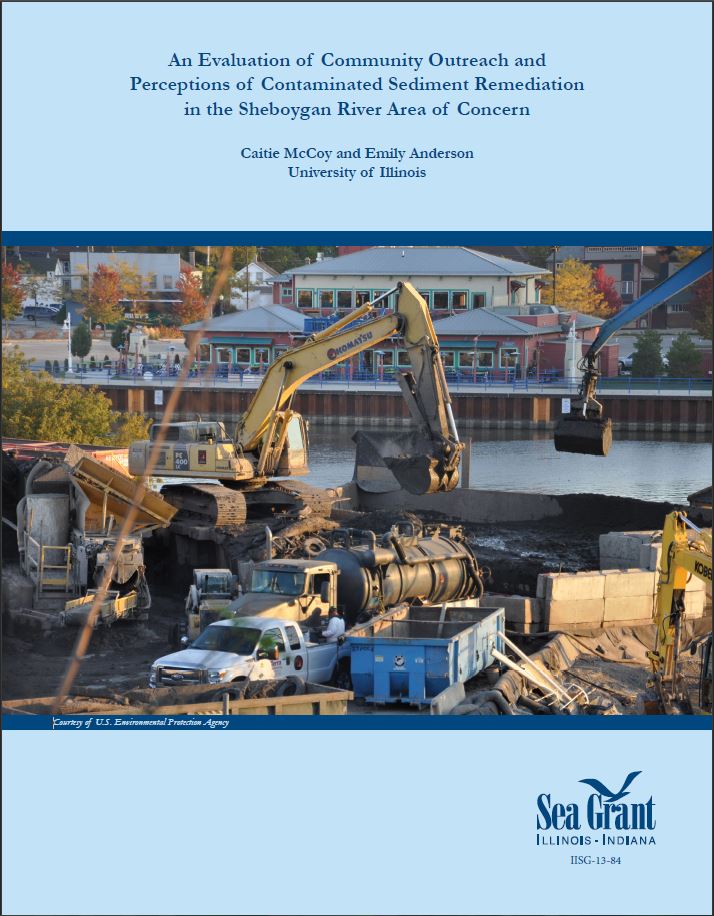
IISG conducted several interviews with local stakeholders in Sheboygan, Wisconsin to better understand community views and concerns about Sheboygan River and the river’s scheduled cleanup. This is the final report.

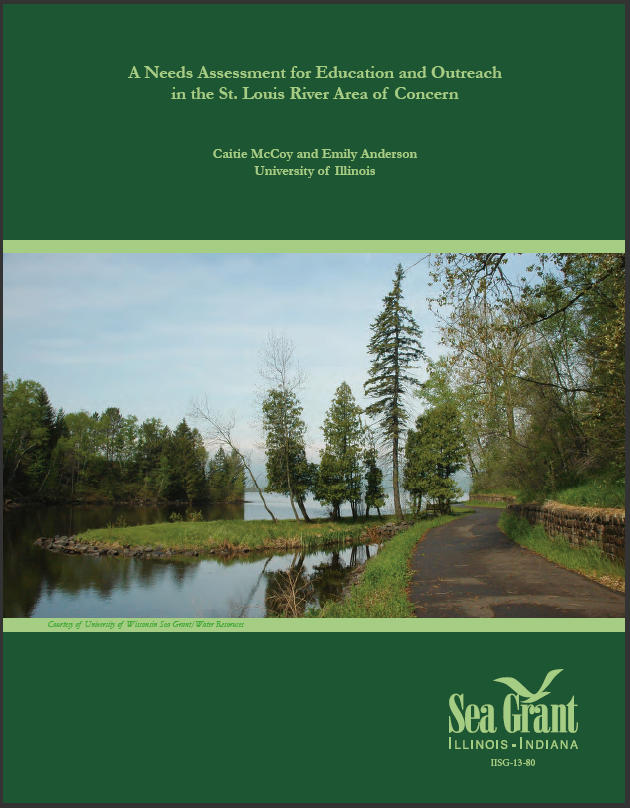
This report discusses stakeholder perceptions of the St Louis River Area of Concern and attitudes toward the cleanup and restoration work that will take place through the Great Lakes Legacy Act.

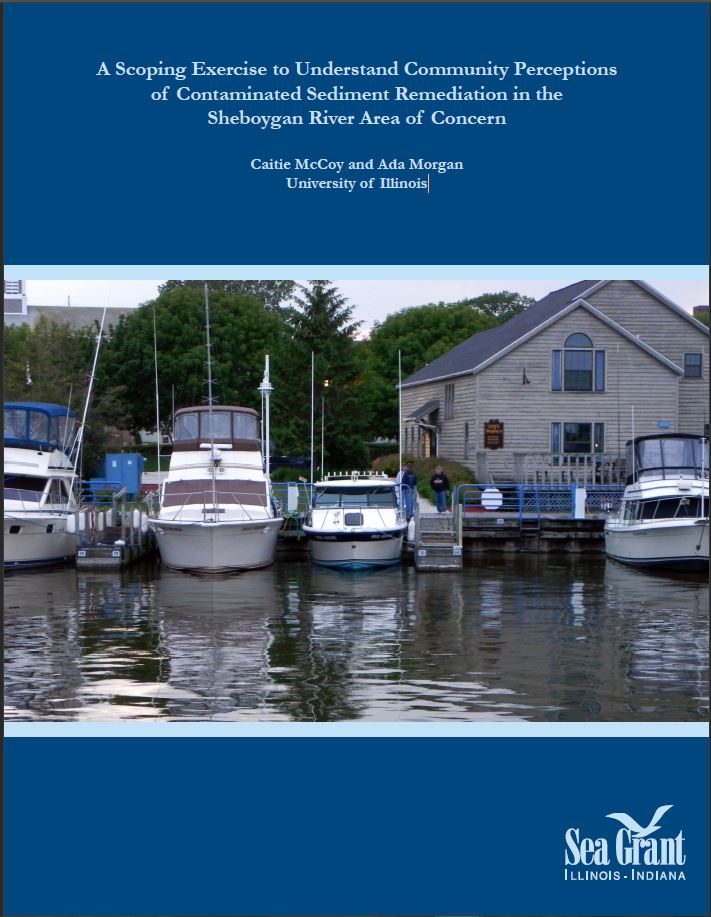
This report serves as a scoping exercise to document a qualitative analysis of community members’ views on sediment remediation in an Area of Concern (AOC). Currently, few studies of qualitative analyses on remediation projects in AOCs exist. A qualitative analysis highlights and provides an in-depth, detailed picture of how a cleanup is perceived by those who are most affected by it. This qualitative study was conducted in the Sheboygan River AOC in Wisconsin. Data were collected in interview sessions with eleven community members representing different stakeholder groups and analyzed using a coding scheme derived from interview transcriptions. The analysis revealed five key findings: 1) The Sheboygan River was viewed as an asset but has a negative stigma, 2) Depth was the primary concern of the interviewees regarding Sheboygan River, 3) Interviewees believed remediation will result in economic revitalization, 4) The interviewees were mixed in their regard to fish advisories and as to how the remediation will impact fish populations, and 5) Quality of life and aesthetic value were also viewed as potential improvements resulting from the remediation, but the connections were weakly or indirectly made. The findings provided recommendations for gaining support for a cleanup from local stakeholders. Furthermore, the findings encouraged better education to the public on the relationship between the cleanup and fish health. Lastly, suggestions were made for future study design and implementation.

Feature Headlines

Feature Headlines

A directory for soil testing companies in the Great Lakes area.