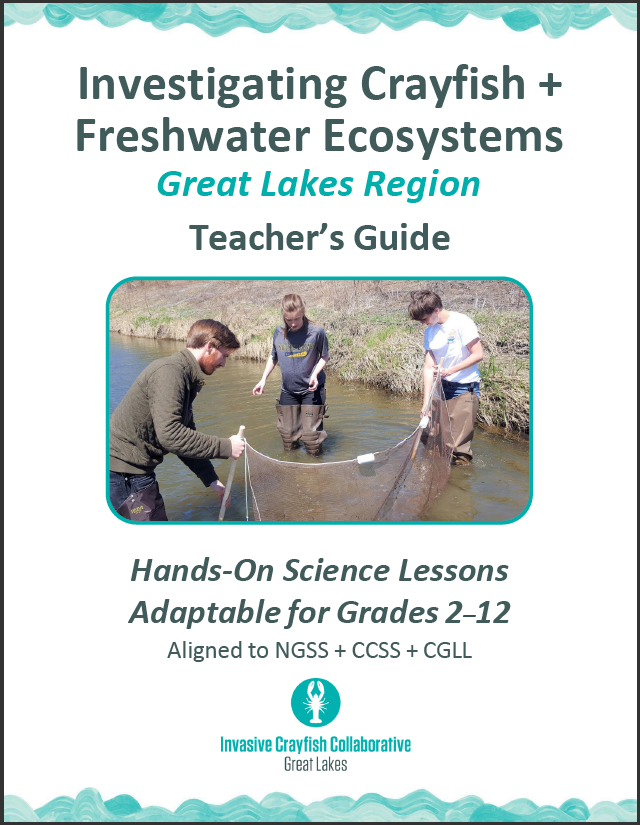
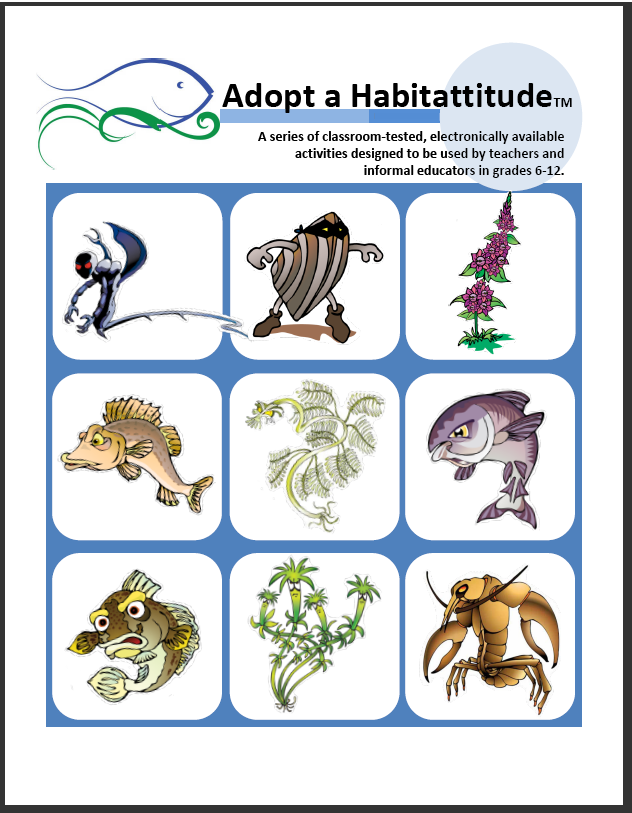
The use of live crayfish in classrooms has been identified as a pathway for the introduction of invasive crayfish into our local waterways. To address this issue, the Investigating Crayfish and Freshwater Ecosystems curriculum was developed to teach students about Great Lakes ecosystems, the significance of native crayfish, and the ecological threats posed by invasive crayfish. It contains nine lesson plans aligned to Next Generation Science Standards, Common Core State Standards, and Center for Great Lakes Literacy Principles. The curriculum is best suited for students in grades 6-12 but offers numerous adaptations/extensions to meet the divergent needs of students in grades 2–5.
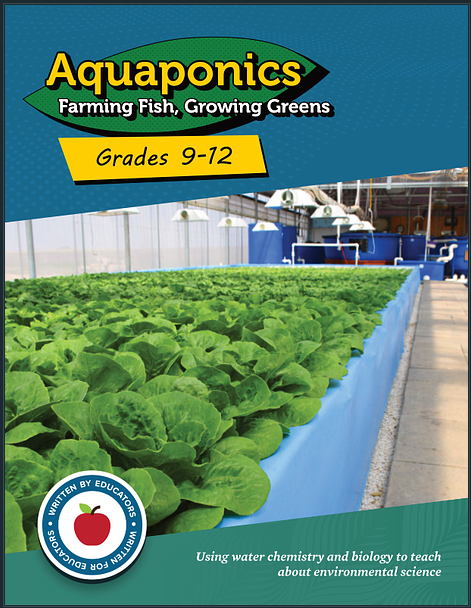
Aquaponics: Farming Fish, Growing Greens teaches STEM through aquaponics, a water-based agricultural system that combines aquaculture and hydroponics. This 9-12 grade curriculum was designed to be used along with an onsite aquaponics system. Curriculum topics include an Introduction to aquaculture, fundamental parts of an aquaponics system, the nitrogen cycle, water quality, population dynamics, our modern food system and more. Lessons were developed to build on each other and be delivered in sequence but can also be used individually.
If you would like to access to all the Aquaponics: Farming Fish, Growing Greens curriculum resources such as slide decks, submit your requests to iisg@purdue.edu.
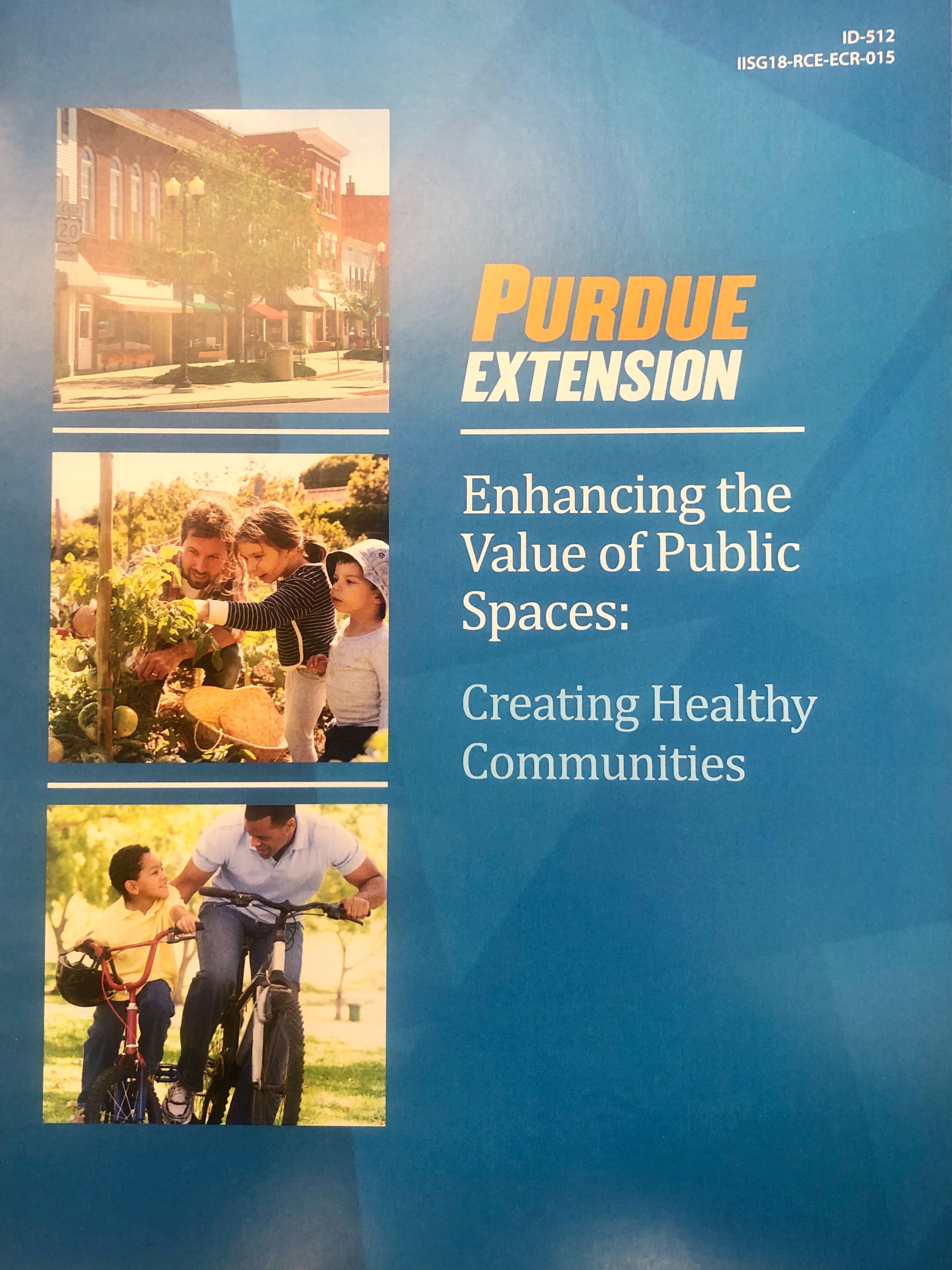
Quality of place involves creating public space environments that support individuals’ ability to thrive. Public spaces are focal points for all communities. How communities plan for, use, and maintain public spaces is essential.
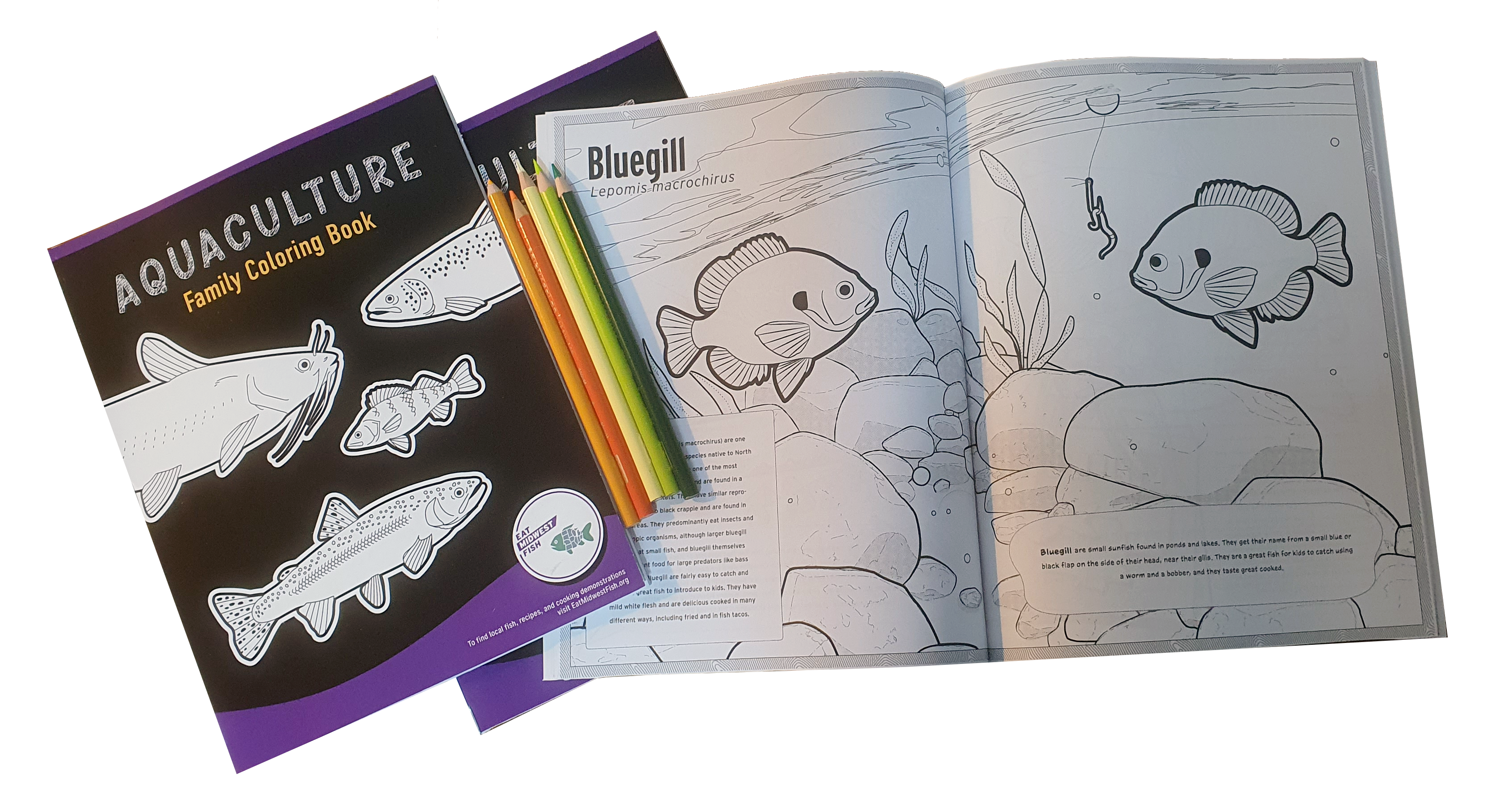
This print-your-own coloring book provides a fun and active way for children and adults to learn about the many kinds of aquatic animals that are raised on farms for aquaculture. Each spread highlights one species, pairing a beautifully illustrated coloring page with accompanying text for both advanced and beginning readers with information about aquaculture, fisheries, recreational fishing and cooking tips.
Professionally printed coloring books are also available while supplies last. Requests can be submitted to iisg@purdue.edu.
Watch and read along with IISG’s communications coordinator, Hope Charters, as she reads the beginning reader sections in the Aquaculture Family Coloring Book. Each spread of the coloring book is separated into two sections: an advance reader section on the left (for grown-ups and advanced readers) and a beginning reader section on the right. We hope that you will enjoy reading along.
En Español
Acuicultura Libro Para Colorear En Familia en español está aquí.
In Indiana, community leaders make decisions about public spaces such as parks, trails, farmers markets, schools, and Main Streets every day that affect the health and wellness of the community. Using Purdue Extension’s Enhancing the Value of Public Spaces: Creating Healthy Communities program, facilitators coach communities through development of a high quality action plan for their public spaces. The plan can guide decisions and better position communities to take advantage of opportunities to promote healthy eating and active living. Our Indiana-based curriculum is designed for use by decision-makers and local leaders who have oversight and management of community public spaces, such as: Parks boards and planning commission members, Public officials and their staffs, Members of organizations whose missions relate to services, programs, or management of public spaces.
Note: Some older Illinois-Indiana Sea Grant publications have not yet been restructured into ADA compliant formats. We are actively working on this. If you are having difficulty accessing a particular item in one of our databases, please contact iisg@purdue.edu with the name of the item and its URL for further assistance.