A closer look at web tools and sites that boost research and empower Great Lakes communities to secure a healthy environment and economy.
Hundreds of invasive species are on the loose in U.S. waters wreaking havoc on habitats, recreation, and economies. Fortunately, a team of student detectives are on the case and ready to book these “bad guys” with help from Nab the Aquatic Invader!
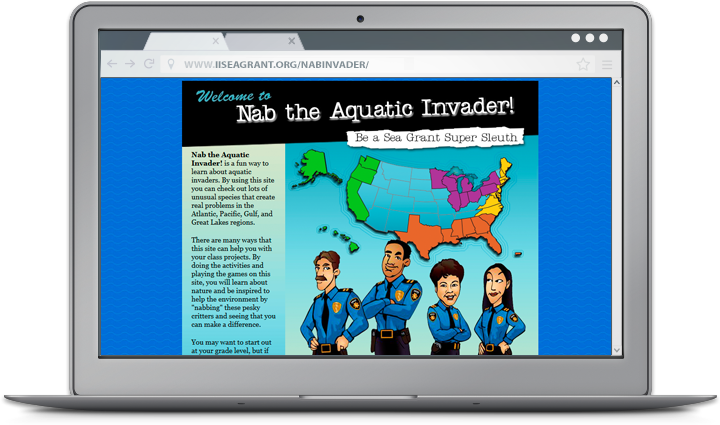 This educational website turns students grades 4-10 into PIs hot on the trail of some of the worst invaders in their region. After brushing up on detailed profiles complete with interrogation recordings, students take part in ongoing investigations led by veteran gumshoes. Whether they join as junior detectives or super sleuths, students learn to ID the suspects, expose the damage they cause, and stop invaders before they strike again.
The site also includes a teacher Top Desk Administrator with example projects that give students a chance to share what they’ve learned with their communities. Along with detailed summary reports, these examples make it easy for teachers to plan and implement successful AIS stewardship projects in their own classroom.
But you don’t have to go online to crack a case. A suite of card games and posters inspired by the website are also available. Students and adults alike can even join the hunt for the most wanted AIS at the Smithsonian National Museum of Natural History in D.C. and at Coastal Ecosystem Learning Centers throughout the country.
Nab the Aquatic Invader! was created by IISG and Sea Grant programs in New York, Louisiana, Connecticut, and Oregon.
 Sea Grant Illinois-Indiana
Category:
Website of the week: Be an AIS super sleuth
February 10th, 2015 by iisg_superadminNab the Aquatic Invader! now a one-stop-shop for AIS projects
September 16th, 2014 by iisg_superadminOur education team is at it again! Allison Neubauer wrote in with this exciting announcement:
 Teachers across the Great Lakes region—have we got a treat for you! You can now explore creative projects from all-star educators to spark new ideas and read important tips for getting your students involved in the effort to “nab” local aquatic invaders.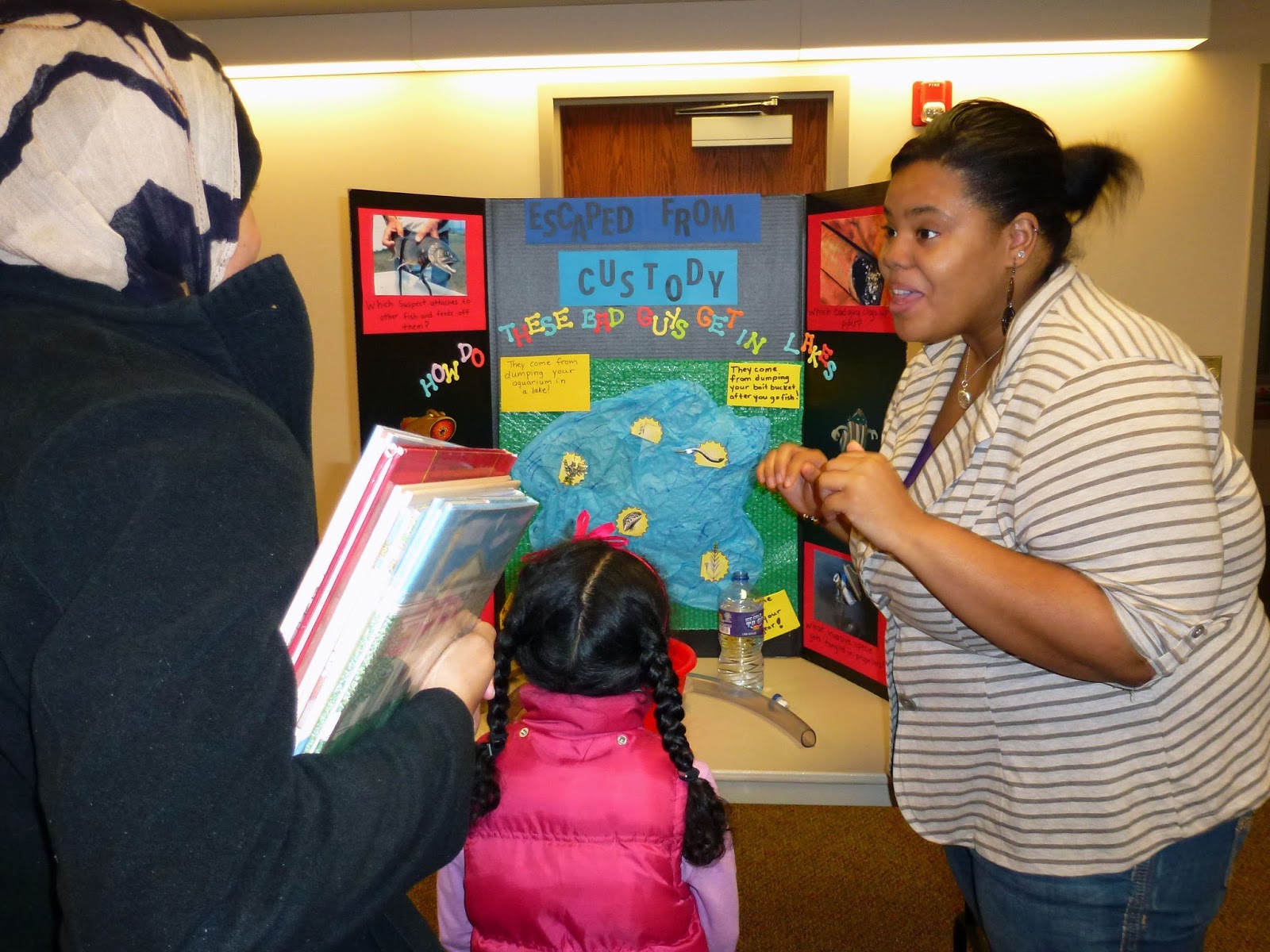
Community stewardship projects like the ones highlighted here are an exceptional tool for pushing students beyond rote memorization and providing them with an opportunity to apply their knowledge in ways that have positive impacts on their communities.
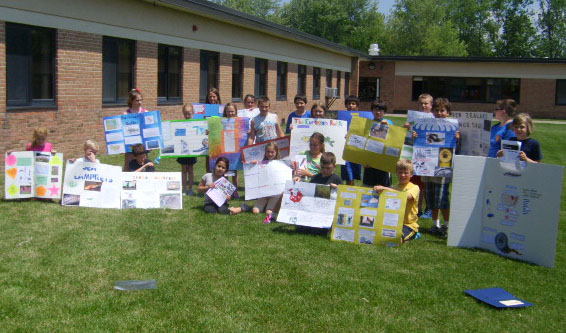
Preview outstanding examples of student work, ranging from fun informational activity books to catchy musical compilations. When you’re done perusing, read the summary reports written by the teachers responsible for these successful activities for information on how to plan and implement similar projects in your own classroom.
The Nab the Aquatic Invader! website is the place for the latest and greatest invasive species project models, information, and activities.
Recent News
- Registration now open for the 2026 State of Lake Michigan Meeting
- Indiana science teacher chosen to join Sea Grant aboard EPA’s research vessel on Lake Superior
- Illinois educators chosen to join Sea Grant aboard EPA’s research vessel on Lake Superior
- Illinois-Indiana Sea Grant seeks proposals for Seed Grant research projects in southern Lake Michigan
- Meet our Grad Student Scholars: Diana Alejandra Narvaez
IISG Instagram
What does a career in natural resources look like?
This month, a group of 4-H youth joined us at Martell Forest to find out! From tree climbing and birding to creating scent traps and dissecting owl pellets, participants spent three days exploring the many ways people work with and protect our natural resources.
Thanks to everyone who joined us! We can’t wait to see where your adventures take you next!


What does it mean to be Great Lakes literate?
It’s understanding how the Great Lakes shape your life and how your choices impact the lakes.
To be Great Lakes literate is to understand, communicate, and care for these special freshwater resources. 💙
Learn more about Great Lakes Literacy by visiting the Center for Great Lakes Literacy’s website at the link in bio.
#TeachingTuesday

Happy Juneteenth from all of us at Illinois-Indiana Sea Grant!

Got a research idea for southern Lake Michigan?
IISG’s 2026 Seed Grant Research Competition is open. Up to $150,000 total funding for pilot studies that could become your next big project.
💵 $10,000 to $50,000 per project
⏰ Applications due August 17, 2026
Two info webinars coming up: July 2 and July 21.
🔗 Full details at the link in bio.

Categories
- Aquaculture
- Aquatic Invasive Species
- Buoys
- Climate Ready Communities
- Coastal Resilience
- Director's Blog
- Education
- Featured
- Fellowships
- Fisheries
- Funded Research
- Funding
- Great Lakes Cleanup
- Great Lakes Data
- Healthy Waters
- Internships
- Jobs
- K-12 Education
- News
- Photos
- Program
- Recreation & Tourism
- Resources
- Sea Grant Scholars
- Stormwater & Green Infrastructure
- Sustainable Community Planning
- The Helm
- Uncategorized
- Video
- Water Resource Economics