
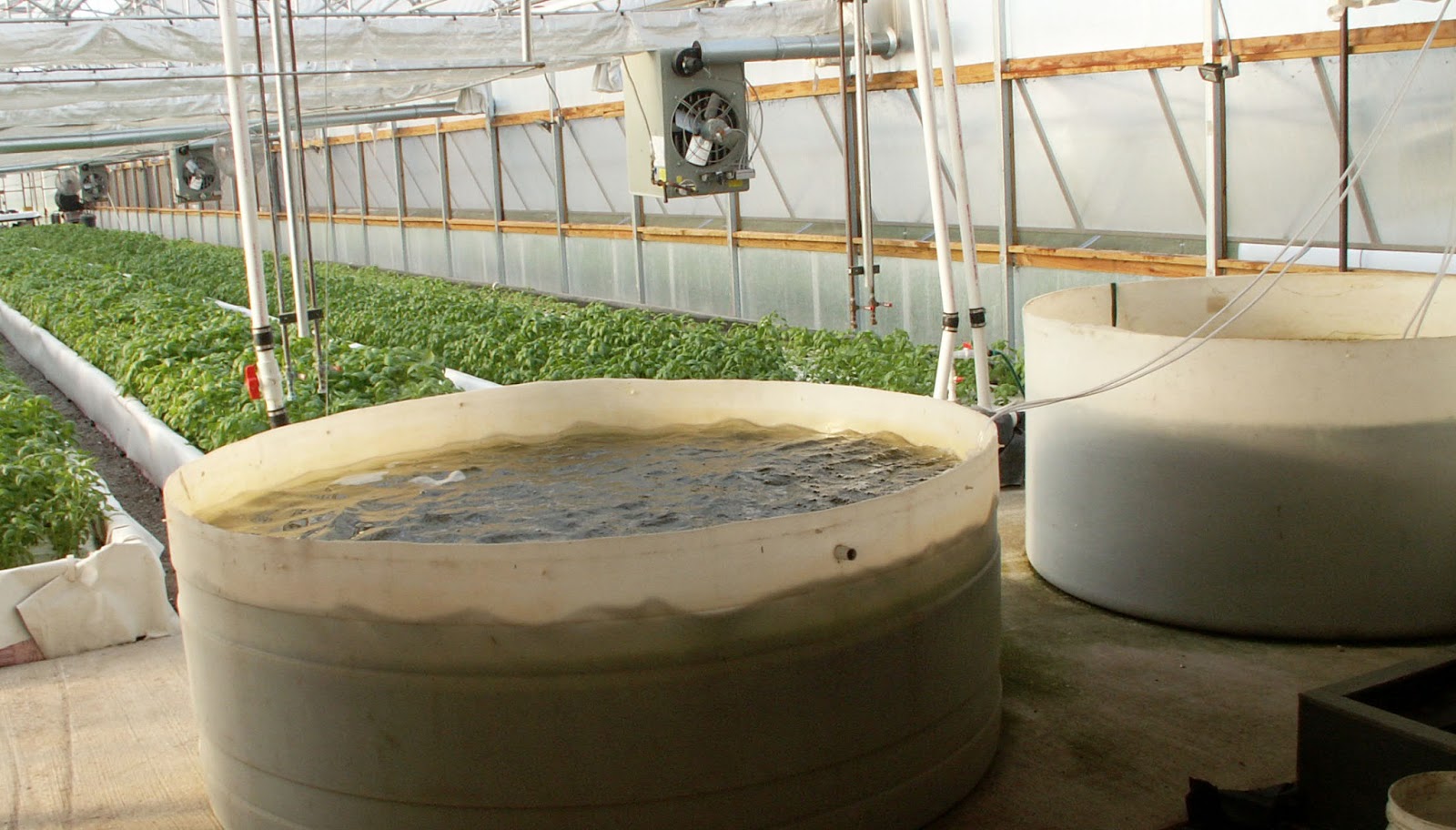
Illinois-Indiana Sea Grant, along with several other Sea Grant programs, universities, and researchers, have been involved in advising and establishing a number of aquaculture operations in the U.S. and around the world, including some aquaponics facilities. This video from our friends at Purdue University provides a terrific amount of detail about aquaponics and how the process could help sustainably grow food.
With the ability to grow plants and fish in a mutually beneficial system, aquaponics presents an especially viable and sustainable option to provide healthy and locally grown food for urban areas.
From The Atlantic Cities:
“Aquaponics is a method of combined fish and vegetable farming that requires no soil. The farmer cultivates freshwater fish (aquaculture) and plants (hydroponics) in a recirculating water system that exchanges nutrients between the two. Wastewater from the fish serves as organic fertilizer for the plants, while the plants clean the water of fish feces and urine. The net result: a 90 percent reduction in freshwater use compared with conventional fish farming, and a significant reduction in added nutrients such as fossil fertilizers. The system can be run without pesticides and, because the fish environment is spacious and clean, without antibiotics…In the lab, the pumps made gushy sounds at regular intervals. The water dripped. As the plants’ leaves evaporated moisture, I could hear the place breathe. I picked a ripe, red tomato from a vine. This lab, I sensed, could morph into an urban oasis: a lush, breathing organism inside the city. Unlike static green spaces like parks, this would be an actual farm as well as a place of tranquility in the city — not to mention a space that could generate the food to feed that city, with minimal harm to the environment or human health, just steps from residents’ tables.”
Follow the link above to the complete article, and visit our aquaculture webpage for more information.