March 17th, 2014 by iisg_superadmin
Research into the Lake Michigan food web has increased in the last decade, but there are still a lot of questions—exactly what is eating what, and how is that dynamic affected by environmental changes? To find answers to these and other questions, researchers from federal and state agencies, universities, and non-profit organizations will come together next month in Ann Arbor, MI. The two-day meeting will feature discussions on past and current food web studies and end with a plan for future research.
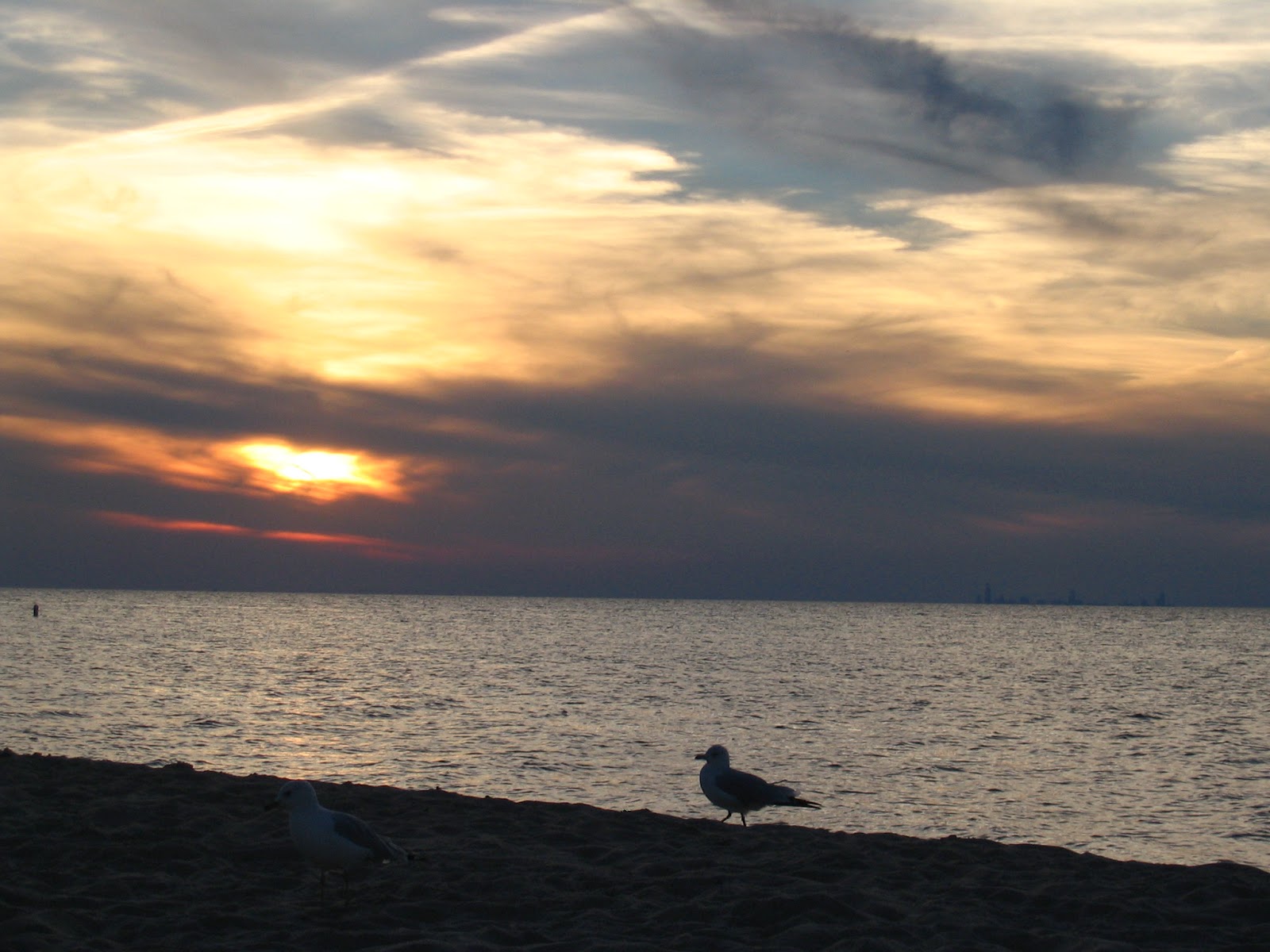
The meeting kicks off April 1 with presentations on several Sea Grant- and EPA-funded studies. IISG’s Tomas Hook, Sergiusz Czesny, director of the Lake Michigan Biological Station, and Bo Bunnell of the USGS Great Lakes Science Center will discuss the state of Lake Michigan fish populations, including the results of a three-year investigation of the differences in nearshore food webs across the lake. Harvey Bootsma, a researcher at the University of Wisconsin-Milwaukee, and NOAA’s Henry A. Vanderploeg will also be onsite to talk about recent findings on the diets of phytoplankton, algae, and other species at the bottom of the food chain. Additional presentations, orchestrated by IISG’s Paris Collingsworth and featuring IISG-funded scientist Cary Troy, will talk about research on the physical dynamics of the lake and steady flow of nutrients brought in by stormwater runoff—two important factors affecting food web structures. Paris will also introduce plans for upcoming monitoring and field activities in Lake Michigan as part of the Cooperative Science and Monitoring Initiative.
Conversations on the second day will turn to planning. IISG research staff will team up with representatives from the Wisconsin and Michigan Sea Grant programs to lead discussions on data still needed to understand how invasive species, contaminants, climate change, and other factors are affecting the Lake Michigan food web. Meeting attendees will also have an opportunity to briefly talk about their research and where they hope to go next. The gaps and next steps identified will help Lake Michigan Sea Grant programs identify research projects to fund in the coming years.
This meeting is the third of its kind since 2008. And, like those before it, this year’s meeting is coordinated by IISG and GLRRIN Lake Michigan partners from Wisconsin Sea Grant, Michigan Sea Grant, the NOAA Great Lakes Environmental Research Laboratory, the US EPA Great Lakes National Program Office, and the USGS Great Lakes Science Center. Previous meetings helped launch the 2010 Lake Michigan Intensive Monitoring Field Year and resulted in roughly $1.7 million in funding for food web projects.
March 12th, 2014 by iisg_superadmin
While much of the press about a carp invasion in the Great Lakes has focused on the bighead and silver varieties of Asian carp, a new study is showing that grass carp are making their way into and threatening the Lakes as well.
“Grass carp, a plant-eating species of the invasive Asian carp family, have also been found spawning in Lake Erie and its many tributaries…
Though fears over invading Asian carp have largely centered on bighead and silver carp — which gulp down large amounts of plankton, the all-important food-source foundation for a healthy aquatic ecosystem — the new study suggests conservationists should pay attention to grass carp too.
Grasses are also an important nutritional source for native fish species, and as its name suggests, grass carp could prove detrimental in that department.
The U.S. government has already spent upwards of $200 million trying to slow the encroachment of Asian carp into the Great Lakes. Many worry their growing presence will turn the Great Lakes into one giant carp pond — ruining ecological diversity and the multi-billion dollar fishing industry in the region. Regional authorities remain in discussion with federal agencies over further mitigation efforts.”
Read the complete article at the link above.
March 11th, 2014 by iisg_superadmin
Water levels in the Great Lakes, especially the Lake Michigan and Huron combo, have been a concern in recent years. But with this winter’s heavy snow and ice coverage, the water levels of both lakes may rise as much as 14 inches this spring and summer.
“This winter, the abundance of snow and near-record ice cover are the reasons for the rebound in water levels, according to Keith W. Kompoltowicz, a meteorologist with the Corps’ office in Detroit.
Snowfall around Lake Michigan is 30% higher than any time in the last decade, and ice cover on the lake is flirting with a record.
On Tuesday, ice on Lake Michigan reached 92.45%, according to the Great Lakes Environmental Research Laboratory in Ann Arbor, Mich. That’s the second highest level since the record of 93.1% in 1977…
But the winter of 2013-’14 can only have so much effect on the lakes. Water levels are cyclical and rise and fall due to a series of events over many months and years, Kompoltowicz said.
Even if the next six months mirrors the rainy spring of 2013, Kompoltowicz said, Lake Michigan and Lake Huron might reach within a few inches of the lakes’ long-term average. The Corps doesn’t make predictions beyond six months.”
Read more about the lake levels and the potential effects at the link above.
March 7th, 2014 by iisg_superadmin
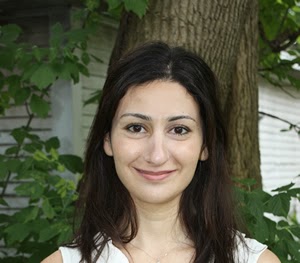
Najwa Obeid’s experiences as a Knauss Fellow at the National Science Foundation can perhaps most accurately be described as diverse. And that diversity, she said, will go a long way in helping her achieve her goal of working on water and coastal policy.
Her greatest exposure to policy came while participating in an ecosystem-based management working group with representatives from agencies like the Department of the Interior, NOAA, the U.S. Navy and EPA. Ecosystem-based management is a type of resource management that focuses on whole ecosystems instead of individual species or resources and is one of nine policy recommendations included in the National Ocean Policy Implementation Plan. The group – officially known as the National Ocean Council ecosystem-based management interagency subgroup – was charged with determining what this recommendation meant for each agency and identifying work priorities and pilot projects. In her role with the National Science Foundation, Najwa identified science and knowledge gaps and connected the group with academic experts.
“I have a better idea now of how things do and should work, particularly when there are a lot of agencies involved,” said Najwa, a Ph.D. candidate at University of Illinois Urbana-Champaign. “Reading about the work is one thing, but being immersed in it adds much more value.”
And, like her co-fellow Will Tyburczy, Najwa has some advice for those considering a Knauss fellowship.
“If you have any sort of interest in policy or want to be involved with work that has a faster and more direct social impact,” she advised, “give it a try. It is a very unique and educational year.”
For more information about the Sea Grant Knauss fellowship and other fellowship opportunities, please visit the IISG
Fellowship and Scholarship page.
March 6th, 2014 by iisg_superadmin
Quagga and Zebra mussels have been a problem for waterways including the Great Lakes for decades, but there may finally be a targeted solution that can significantly reduce their numbers without disrupting other organisms.
“Now the mussels may have met their match: Daniel P. Molloy, an emeritus biologist at the New York State Museum in Albany and a self-described ‘Bronx boy who became fascinated by things living in water.’
Inspired by Rachel Carson’s ‘Silent Spring’ in high school, Dr. Molloy, now 66, has long been a pioneer in the development of environmentally safe control agents to replace broad-spectrum chemical pesticides.
As a result, New York State has awarded a license to Marrone Bio Innovations, a company in Davis, Calif., to develop a commercial formulation of the bacterium. The product, Zequanox, has been undergoing tests for several years, with promising results. (Dr. Molloy has no financial ties to the company.)
Zequanox killed more than 90 percent of the mussels in a test using tanks of water from Lake Carlos in Minnesota, said James A. Luoma, a research biologist with the United States Geological Survey in La Crosse, Wis. A control group of freshwater mussels, unionids from the Black River in Wisconsin, were unharmed.”
Read the rest of the article at the link above.
March 5th, 2014 by iisg_superadmin
February was a busy month for those interested in improving coastal outreach and education with social science. The topic took center stage at national and regional conferences. And IISG’s Caitie McCoy—along with other members of the Great Lakes Social Science Network—was onsite for each to discuss new research and provide tips for engaging the public, collecting reliable qualitative data, and evaluating projects.
It all started with the NOAA Social Coast Forum in South Carolina. During the two-day event, Caitie talked with representatives from academia, government agencies, non-profits, and the private sector about everything from how social science has improved risk communication to the best ways to engage Great Lakes tribes in sediment removal projects. The biggest draw, though, was her presentation on the effectiveness of a new severe weather warning system with fellow Sea Grant social scientists Jane Harrison and Hilarie Sorenson along with University of Wisconsin-Milwaukee student Katie Williams.
The system is part of NOAA’s Weather-Ready Nation, a collaborative project designed to boost community resilience to tornadoes, storm surges, and other extreme weather events. It is intended to keep broadcast meteorologists and emergency managers up-to-date on expected impacts with messages like “tornadic winds could throw automobiles into the air” and “the entire neighborhood will be destroyed.” Caitie, Jane, Hilarie, and New York Sea Grant’s Katherine Bunting-Howarth were brought on board to ensure that messages meet the needs of those who rely on them most when the big storms hit.
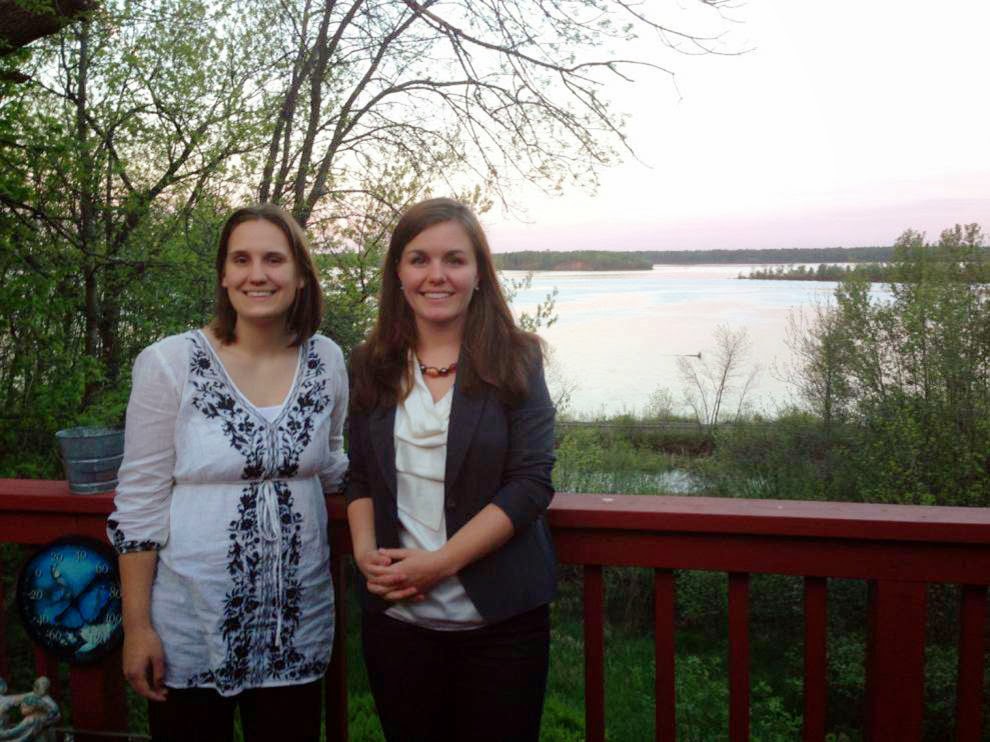 Just a few days later, Caitie, Jane, Hilarie, and others brought social science information and recommendations to Superior, Wisconsin for the St. Louis River Estuary Summit. The summit brought together researchers, natural resource managers, educators, and members of the community interested in protecting this tributary to Lake Superior.
For her part, Caitie reported on a needs assessment conducted last year to learn how local communities feel about remediation and restoration efforts in Spirit Lake, one of several sites that make up the St. Louis River Area of Concern. The case study uncovered several important views and concerns that will help Caitie and other members of the outreach team tailor their efforts to these communities. For example, learning that residents often struggle to see how remediation efforts fit together will help them design simple messages that connect cleaning up Spirit Lake with the ultimate goal of removing the St. Louis River from the AOC list. Although clean up won’t begin until at least 2015, the needs assessment has already influenced outreach and helped Caitie develop strong relationships within the community that will help the project move forward.
The St. Louis River cleanup and Caitie’s work to improve public engagement here and at other AOCs is possible because of the Great Lakes Restoration Initiative and the Great Lakes Legacy Act.
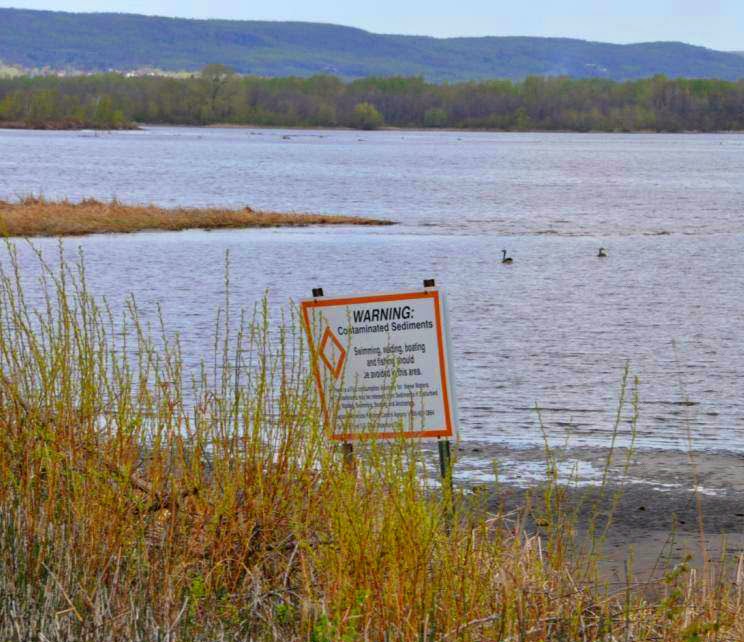
(Photo credits: Photo 1: St. Louis River AOC, courtesy of EPA
Photo 2: Caitie McCoy and former intern Emily Anderson near the St. Louis River AOC)
March 3rd, 2014 by iisg_superadmin
Illinois-Indiana Sea Grant’s Tomas Höök, associate director for research, was part of a team of researchers involved in a comprehensive study on Lake Erie’s health and measures needed to protect it.
“The report from the multi-institution EcoFore-Lake Erie project states that a 46 percent reduction in the amount, or load, of phosphorus pollution would be needed to shrink Lake Erie’s Central Basin hypoxic zone to a size last seen in the mid-1990s—a time that coincided with the recovery of several recreational and commercial fisheries in the lake’s west and central basins.
Phosphorus is a nutrient used in crop fertilizers. Excess phosphorus washes off croplands during rainstorms and flows downstream in rivers that feed the Great Lakes. Once in the lakes, phosphorus can trigger algae blooms. When the algae die and sink to the lake bottom, oxygen-consuming bacteria feed on them and create hypoxic zones in the process. Many fish shun these oxygen-starved waters, which significantly reduce the amount of suitable habitat available to the fish.
The study, accepted for publication in a forthcoming edition of the Journal of Great Lakes Research, calls for Central Basin phosphorus reductions considerably higher than other recent recommendations, including a proposal issued last year by the Ohio Lake Erie Phosphorus Task Force aimed at avoiding Western Basin toxic algae blooms. The new report is a synthesis of the major findings from the EcoFore-Lake Erie project, created in 2005 and supported by the U.S. National Oceanic and Atmospheric Administration’s Center for Sponsored Coastal Ocean Research.”
Read the rest of the article at the link above.
February 28th, 2014 by iisg_superadmin
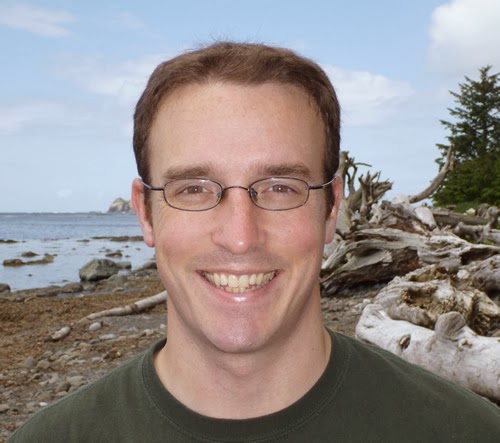
Will Tyburczy’s Knauss fellowship may be over, but his time at NOAA headquarters is not. The IISG-funded fellow will stay with the Office of Program Planning and Integration for another six months to continue some of the work he began as a Knauss Fellow. Please visit the IISG Fellowship page for more information about the Sea Grant Knauss fellowship as well as other fellowship opportunities.
A Ph.D. candidate at University of Chicago, Will spent the bulk of the last year helping NOAA’s Regional Collaboration Network coordinate the work of NOAA’s five main offices—Weather Service, Fisheries Service, Satellite and Information Service, Ocean Service, and Oceanic and Atmospheric Research. The efforts of these offices often overlap on major issues like climate change, habitat conservation, and emergency response. It was Will’s job, along with the other network members, to find opportunities for collaboration and help NOAA make progress on these issues. He also served as a liaison between NOAA regional staff and organization leaders, ensuring that each group had the information and resources they need to effectively meet program goals.
“It was challenging at times,” said Will. “Sometimes it feels like people are talking past each other and you just aren’t making progress. But we have great people who share a lot of the same goals. It is very satisfying to help them work together to meet those goals.”
But one of the highlights of the fellowship involved a very different kind of coordination. Will organized the fall edition of Earth Science Monitor, a bi-annual publication that reports on NOAA environmental data and programs. He worked closely with representatives from the network’s eight regions to develop articles showing what NOAA is doing to address environmental issues in each region. He also worked with NOAA head Jane Lubchenco on the lead article.
Even after he leaves NOAA, Will hopes to continue working at the nexus of science and policy, translating scientific findings into actionable policy advice. And he has advice for others who think they might be interested in doing similar work: “Apply for the Knauss fellowship. It is a great program.”
February 26th, 2014 by iisg_superadmin
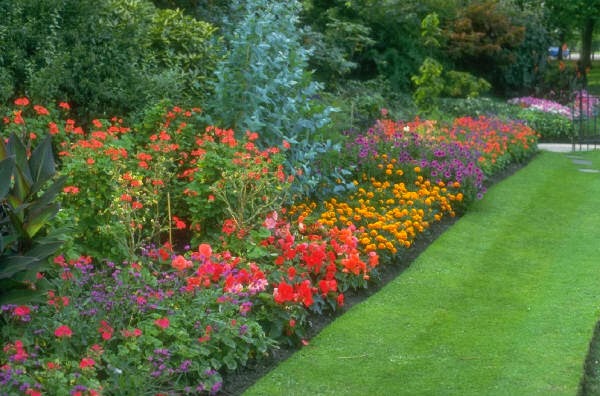
One of the best online resources for sustainable landscape and lawn care in Illinois is now available in Spanish. Like its sister site Lawn Talk, Hablemos Del Cesdped includes tips and resources for planting and maintenance, including common lawn care mistakes to avoid.
With help from these sites, homeowners and landscape professionals in northern Illinois can cultivate healthy lawns while still conserving water and preventing harmful chemicals from washing into nearby lakes and rivers. Specific natural lawn care tips include testing soil and adjusting nutrient levels as needed at the start of the season, choosing the right grass for the site, and letting lawns go dormant during dry months. The sites also provide information on lawn cultivation equipment and choosing lawn care services.
Lawn Talk and Hablemos Del Cesdped are part of the Lawn to Lake program and were developed in part with funding from the Great Lakes Restoration Initiative. For even more information about natural lawn care and its benefits, visit the Lawn to Lake link above or download the latest Sustainable Lawn & Landscape Practices for Communities guidebook.